What to do if the sole is cracked: tips and solutions

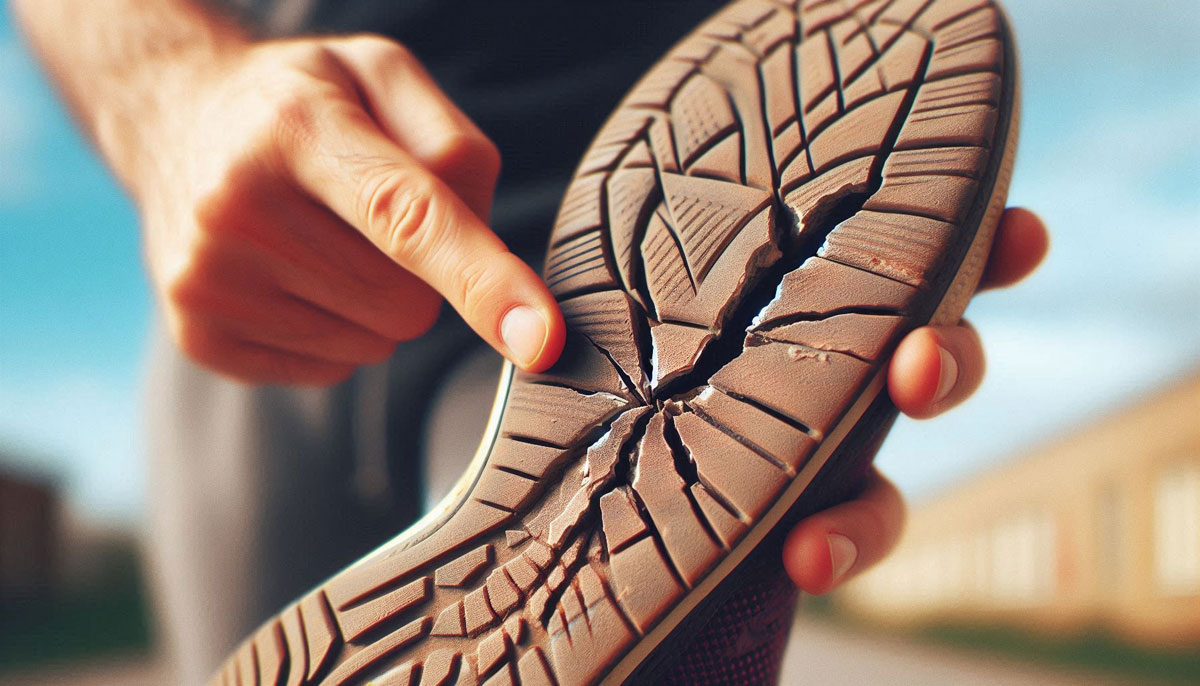
When the sole of your favorite shoes cracks, it can cause a lot of inconvenience. But don’t panic and buy a new pair right away. In this article, we’ll look at how to assess the damage, what are the first steps to take, how to seal the crack yourself, and when to go to a repair shop. We’ll also share tips on how to avoid similar problems in the future.
How to assess the extent of sole damage
When I notice a crack in the sole, the first thing I do is assess its condition. This helps me understand whether I can do the repair myself or whether it’s better to go to a professional.
First steps after discovering a crack
When I notice a crack in the sole, the first thing I do is clean the sole. It’s important to remove all dirt and dust for the repair to be effective. I usually use an old toothbrush and some soap. After that, I rinse the sole thoroughly with water and let it dry.
Next, I prepare the materials for repair. Usually, I need: shoe glue, a piece of sandpaper and maybe some clamps. It is important to have everything at hand so as not to get distracted during the process.
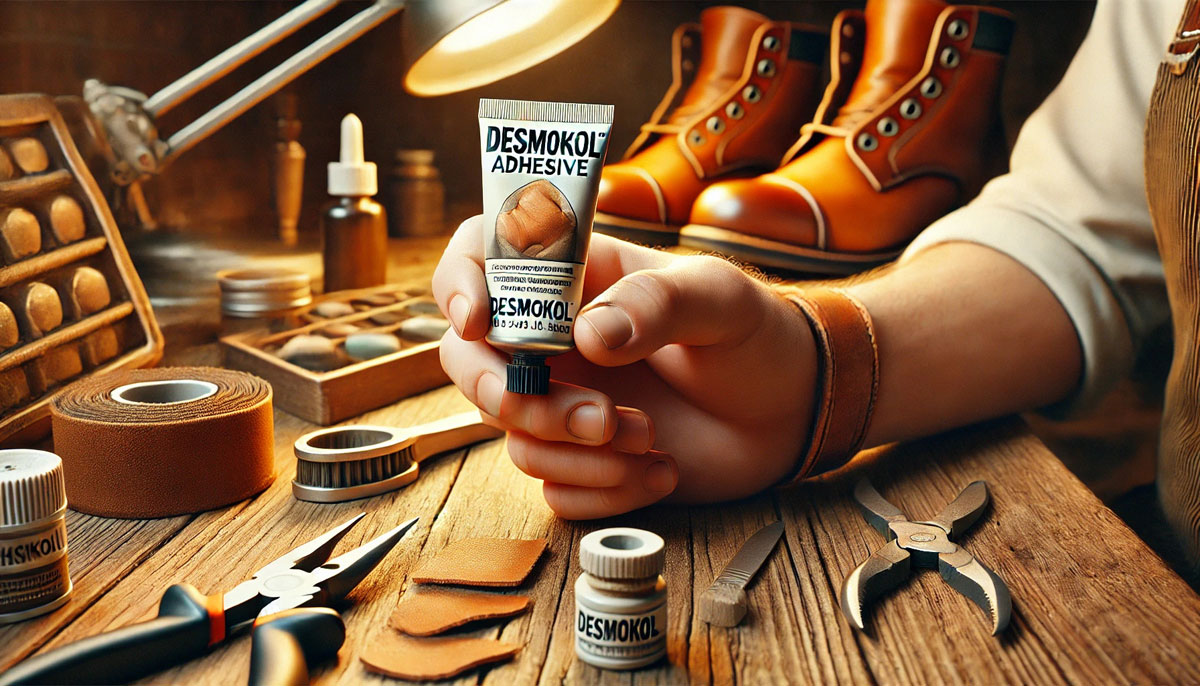
Choosing shoe glue is a separate story. I always choose a special shoe glue suitable for the material of my sole. It can be polyurethane or epoxy glue. The main thing is that it is waterproof and strong.
How to glue a cracked sole yourself
Step-by-step instructions
First of all, you need to prepare the shoes for repair. I clean the sole from dirt and dust using an old toothbrush or rag.Then, I open the crack so that the glue can penetrate deeper.
- I apply shoe glue to the inside of the crack. It is important that the glue is specifically designed for shoes, otherwise the repair may not work.
- I leave the glue for 10-15 minutes so that it dries a little.
- After that, I carefully connect the edges of the crack and press them together. To ensure tight contact, you can use clamps or heavy objects.
Drying time of the glue
After the crack is glued, I leave the shoes for 24 hours to allow the glue to dry completely. This will allow the glue to gain maximum strength and ensure the durability of the repair.
Do not rush to use the shoes immediately after the repair. Give the glue enough time to dry.
Checking the result
After the glue dries, I check if the crack is well sealed. I bend the sole and see if new cracks or tears appear. If everything is fine, the shoe is ready for use. If the crack is not sealed, you may need to repeat the process or contact a repair shop.
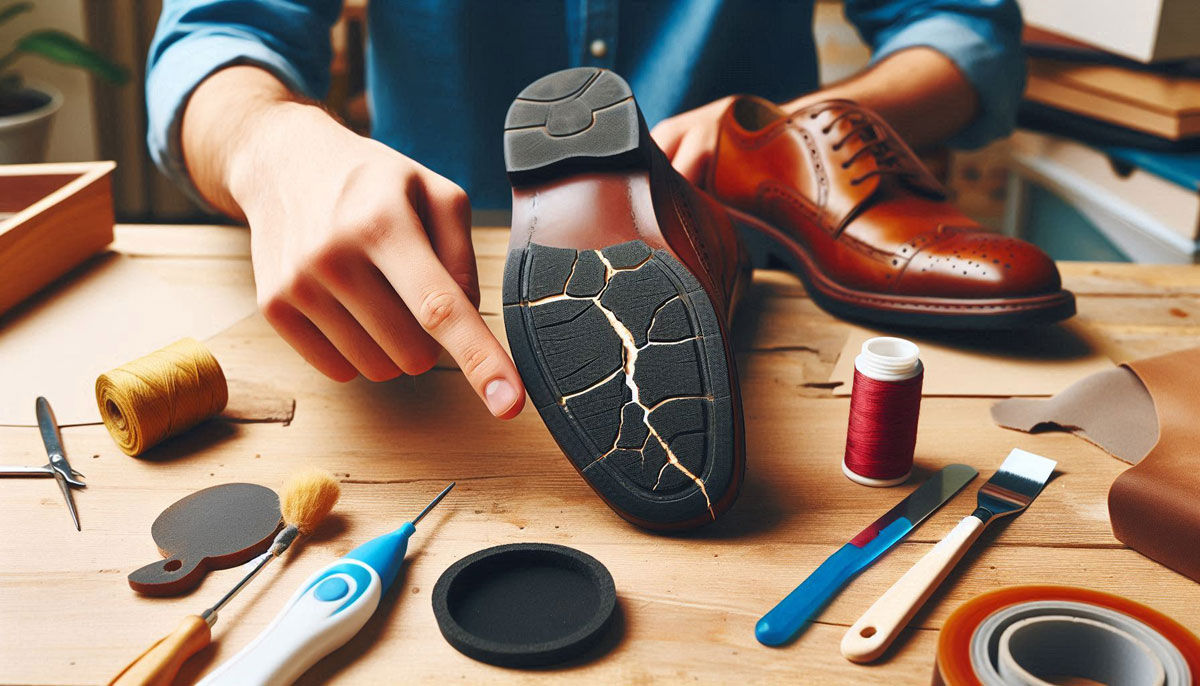
When to contact a repair shop
Sometimes shoe repair at home is not the best option, and then you should contact the professionals. It is important to know exactly when to do this so as not to aggravate the situation.
Assessing large cracks
If the crack in the sole is very large or runs through its entire thickness, it is better not to risk it and contact a repair shop. In such cases, self-repair may be ineffective and even unsafe for your health.
Advantages of professional repair
Professionals have special equipment and materials that allow them to perform repairs efficiently and reliably. In addition, they can assess the condition of your shoes and suggest the best way to renew them. This is especially important if your shoes are expensive or have special value to you.
Contacting a repair shop can save you time and nerves, as well as ensure the durability of your shoes.
Cost of repair shop services
Of course, professional repair costs money. But it is worth considering that quality repair can extend the life of your shoes for several years.So sometimes it’s better to spend a little more now to avoid additional costs in the future.
Prevention measures for cracks
To avoid cracks in the sole, it is important to follow a few simple rules. Take precautions to avoid trouble in the future.
How to choose new shoes if repair is not possible
If shoe repair is no longer helping, it’s time to think about a new pair. Choosing new shoes can be a difficult task, but I will share a few tips to help you make the right choice.
Sole materials
First of all, pay attention to the sole material. It is important that the sole is strong and durable. Rubber and polyurethane are among the best options, as they provide good cushioning and durability. Avoid shoes with soles made from cheap materials that will wear out.
Comfort and Support
Comfort is key when choosing new shoes. Make sure the shoes fit well and do not cause discomfort. It is also important that the shoes provide adequate support, especially if you plan to wear them for a long time. Try on the shoes at the end of the day when your feet are a little swollen to be sure of the correct size.
Reputable Brands
It is also important to pay attention to the brand. Choose shoes from reputable manufacturers that reliable reputation. Such brands usually use high-quality materials and adhere to high production standards. This ensures that your new shoes will last a long time and will not let you down at the most crucial moment.
Remember that investing in quality shoes is an investment in your health and comfort. Do not skimp on this, because your well-being and mood depend on it.
By making the right choice, you can enjoy your new shoes for a long time and forget about problems with cracks in the soles.
Should You Use Temporary Fixes?
Pros and Cons of Temporary Patches
When I first encountered a crack in the sole, I immediately thought of temporary fixes. They can be useful if you need to quickly repair your shoes. For example, an elastic bandage can help minimize the load on your foot. But remember that such solutions are not always durable. They can wear out quickly and need to be repaired again.
Alternative Repair Methods
There are different alternative repair methods that you can try. For example, you can use special shoe glues or even go to a repair shop. But if you decide to do it yourself, it is important to carefully read the instructions and strictly follow all the recommendations. This will help to avoid mistakes and make the repair more reliable.
Duration of the effect
Temporary fixes can be useful, but their effect is usually short-lived. They may help you in the short term, but over time the problem may return. So if you want your shoes to last longer, it is better to turn to professionals or use more reliable repair methods.
Remember that temporary solutions can be useful, but they are not always the best choice for long-term use.
How to care for shoes after repair
After shoe repair, it is important to properly care for them so that they last longer. Here are some tips to help keep your shoes in good condition.
Regular Cleaning
After each use, shoes should be cleaned of dirt and dust. This will help maintain their appearance and prevent damage. You can use a soft brush or a damp cloth for this. It is especially important to clean leather straps so that they do not lose their color and texture.
Storing Shoes
Store shoes in a dry and cool place. Avoid direct sunlight, which can damage the material. If you have special boxes or bags for storage, use them. This will help to avoid deformation and maintain the shape of the shoes.
Remember that proper shoe storage can significantly extend the life of your shoes.
Preventive measures
Regularly check the condition of the sole and other parts of the shoe. If you notice new cracks or other damage, it is better to repair them immediately. You should also use special shoe care products that will help keep your shoes in good condition.
Following these simple tips will significantly extend the life of your shoes after repair.
Common mistakes when repairing soles
Repairing shoe soles can be a difficult task, especially if you are doing it for the first time. Here are some common mistakes to avoid.
Choosing the wrong glue
One of the most common mistakes is using the wrong glue. Not all glues are suitable for shoe repair. It is important to choose a special glue for shoes that will provide a reliable connection and withstand the load during walking.
Insufficient cleaning
Before starting the repair, the sole must be thoroughly cleaned of dirt and sand. If this is not done, the glue will not be able to adhere well to the surface and the repair will be ineffective. Use a brush and soapy water to clean.
Regular removal of hardened skin with peeling or scrubbing helps to maintain the softness and smoothness of the heels, prevents cracks.
Ignoring instructions
Often people do not read the instructions on the glue packaging, which leads to improper use. Follow the manufacturer’s instructions for best results. This includes drying time and conditions for applying the glue.
How to Avoid Sole Cracking Again
To avoid sole cracking again, it is important to use your shoes correctly. Do not wear shoes for other purposes. For example, do not wear sneakers in the mountains or high-heeled shoes in the sand. Each type of shoe has its own purpose, and it should be followed. Regular shoe care will help to avoid cracks. After each use, clean the sole from dirt and dust. Use special care products for the sole material. This will help maintain its elasticity and strength.
Regular shoe care will not only extend its service life, but also keep your feet comfortable.
Choosing seasonal footwear is also important to avoid cracks. In winter, wear footwear with a warm lining and waterproof sole. In summer, choose lightweight and breathable footwear. This will help avoid excessive stress on the sole and its damage.
To avoid repeated cracking of the sole, it is important to properly care for the footwear. Regularly clean it from dirt and dust, use special care products for the material. If you want to learn more useful tips, visit our website.
Conclusion
So, if your sole is cracked, do not panic right away. There are several ways to solve this problem, from self-repair to contacting professionals. The main thing is not to forget about prevention: choose high-quality footwear, avoid walking on uneven surfaces and regularly check the condition of the sole. Remember that timely repair can extend the life of your shoes and save you money. Do not rush to throw away your favorite pair, but try to restore it!
Frequently Asked Questions
Can I fix a cracked sole myself?
Yes, I can. This requires special shoe glue and a little patience. It is important to thoroughly clean the sole before applying the glue.
What glue is best for sole repair?
It is recommended to use special shoe glues, such as polyurethane or cyanoacrylate. They provide reliable bonding.
How long does it take for the glue to dry?
The glue usually dries within 24 hours. However, for maximum effect, it is better to leave the shoes for 48 hours.
Should I take my shoes to a repair shop if the crack is large?
Yes, if the crack is large or home repairs do not help, it is better to contact professionals.
How to avoid cracks in the sole in the future?
To avoid cracks, choose quality shoes, regularly inspect the sole and avoid walking on uneven surfaces.
Can I use temporary patches to repair the sole?
Yes, temporary patches can be useful, but they do not provide a long-term effect. It is better to use them as a temporary solution.
How to properly care for shoes after repair?
After repair, clean your shoes regularly, store them properly and take preventive measures to avoid new damage.
Is it worth buying new shoes if repair is not possible?
Yes, if repair is not possible or economically unprofitable, it is better to buy new shoes. Choose models with strong soles and well-known brands.