Warm insoles for winter shoes: a complete guide to choosing, materials, care, and DIY

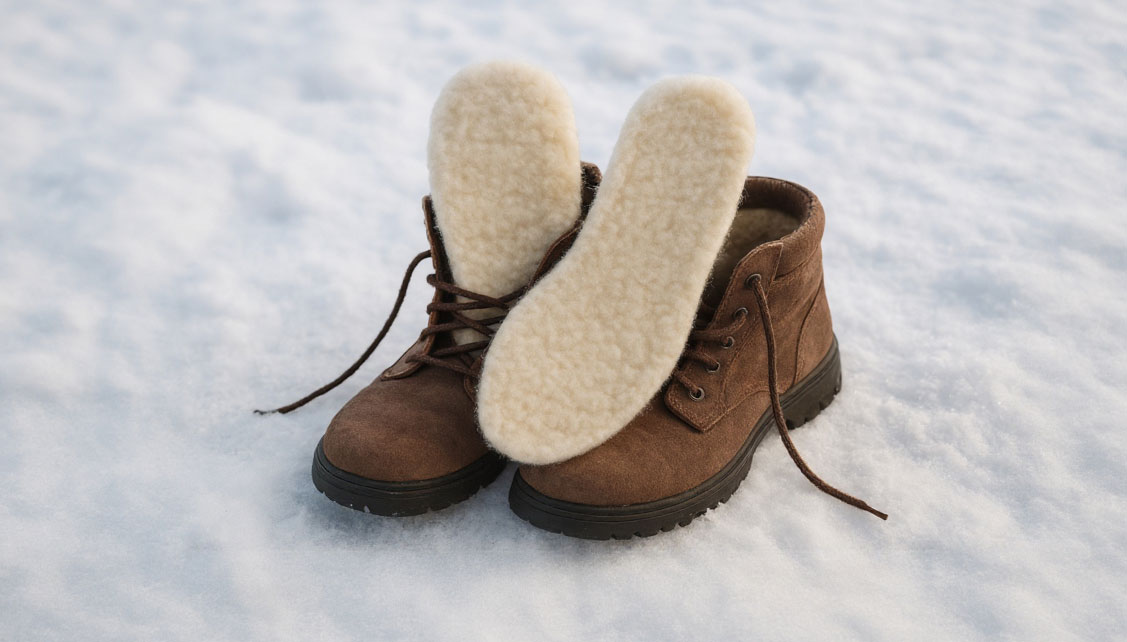
Winter in in our region is always unpredictable: sometimes wet snow, sometimes frost -10°, sometimes sharp temperature drops. In such conditions, it is especially important to take care of your feet, because your overall well-being depends on their comfort. Warm insoles for winter shoes are not a trifle, but a real way to maintain health, avoid hypothermia, improve comfort and extend the life of the shoes themselves.
In this extensive article, we will look at all aspects of using warm insoles : how to choose, which materials are best, how to care for them, where to buy them, and even how to make them yourself. This guide will be useful for both those who are cold even in warm shoes and those who spend a lot of time outside in the winter.
The main advantages of warm insoles
In short, warm insoles add comfort and warmth. But in reality, their impact is much broader:
1. Reinforced thermal insulation
Insoles create a barrier between the foot and the cold sole. Thanks to this, the feet do not get cold even after long walks.
2. Protection from moisture
Natural wool, felt, fleece, and modern synthetic materials absorb and wick away moisture well, preventing hypothermia.
3. Comfort and cushioning
Soft insoles make even stiff shoes much more comfortable. This is especially important if you walk a lot or work on your feet.
4. Hygiene
The antibacterial properties of wool and some synthetic materials reduce the risk of odor and fungal infections.
5. Foot support
Orthopedic models help form correct posture, reduce fatigue and stress on the joints.
Why warm insoles are important in winter
Cold feet aren’t just uncomfortable. They’re a risk:
-
circulatory disorders
-
frequent colds
-
frostbite
-
fungal diseases
-
general hypothermia
The modern pace of life rarely allows you to stay at home, so warm insoles are a simple, inexpensive and very effective way to protect yourself.
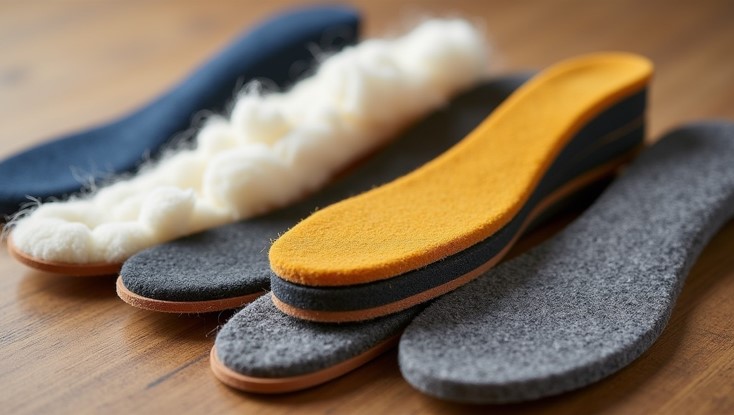
Materials for warm insoles: a detailed analysis
The right insole material determines not only the level of comfort, but also how effectively the shoe will retain heat, wick away moisture, and cushion you as you walk. Today, there are dozens of options, from natural fibers to high-tech polymers. Below is a complete overview of the most popular materials, their properties, advantages, and features of winter use.
Natural materials
Wool
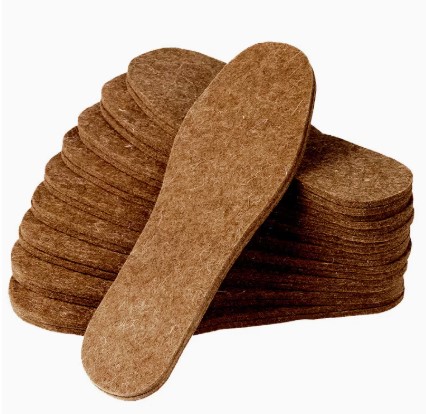 Wool insoles are one of the oldest and most effective ways to insulate shoes. This material naturally retains heat , creating a comfortable microclimate inside the shoe even in severe frosts. In addition, wool has excellent vapor permeability – it is able to absorb moisture and quickly evaporate it, without creating a feeling of dampness. This is especially important for people who are on their feet for a long time or are actively moving.
Another big plus is that wool is hypoallergenic and suitable even for sensitive skin. It is natural, safe and provides soft cushioning. It is best suited for winter boots, hiking boots and casual shoes.
External felt
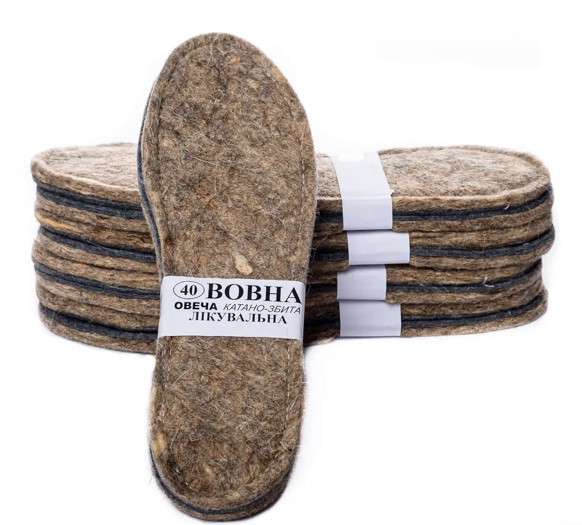 Unlike regular wool, felt has a denser structure thanks to a special technology of pressing fibers. This processing makes the material stronger, resistant to deformation, durable and able to withstand significant loads.
Felt is ideal for harsh winters: it is able to retain heat even in “minus” temperatures above –20°C, while not losing its shape or crumbling. In addition to thermal insulation, the material has a slight antiseptic effect , which prevents the formation of unpleasant odors. It is often used in combination with rubber or cork bases for better rigidity.
Cork
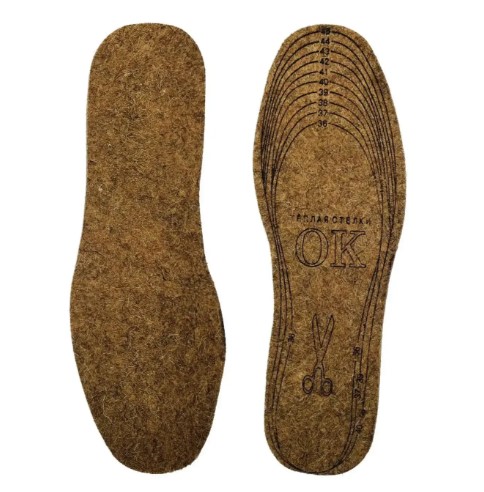 Cork insoles are highly valued for their natural thermal insulation properties . Cork consists of a porous structure that perfectly retains heat and does not let cold through from the sole. In addition, this material is absolutely environmentally friendly , lightweight and has a natural antiseptic effect , which helps fight bacteria and moisture.
Cork insoles provide good cushioning, follow the anatomical shape of the foot, and are suitable for people who spend a lot of time on their feet. They are used in trekking shoes, winter boots, and even orthopedic models.
Synthetic materials
EVA, PU and polymer foams
EVA (ethylene vinyl acetate), PU (polyurethane) and other foamed polymers are modern materials that combine lightness, flexibility and high thermal insulation . They do not absorb water, which makes them ideal for snowy or wet weather. EVA insoles have excellent cushioning , reduce the load on the heels and knees, and provide comfort during long walks.
PU materials are denser and more durable, and are often used in winter sports shoes. Due to their low thermal conductivity, such insoles are very effective at insulating against the cold.
Fleece and microfiber
Fleece and microfiber insoles are one of the most popular options for everyday wear. The material is soft, pleasant to the touch , retains heat well, and does not cause irritation. The main advantage is quick drying and the ability to let air through, which reduces the risk of excessive sweating.
Fleece works great in combination with stiffer bottom layers (EVA, cork, or polyurethane), creating a comfortable and warm surface underfoot.
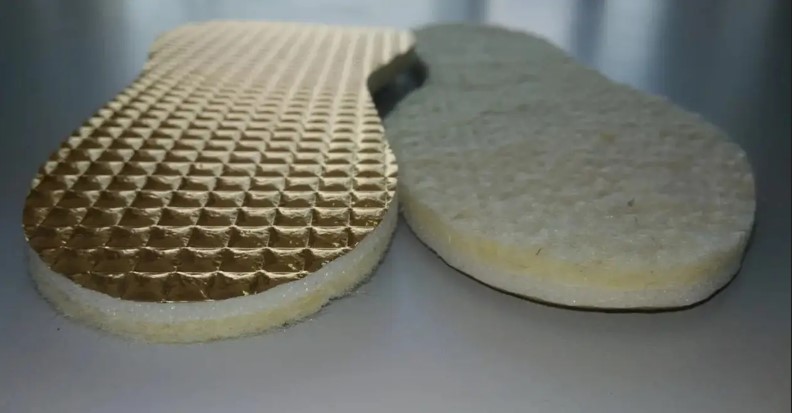
Combined models
The most modern and effective insoles are made by combining different materials, which allows combining their advantages and minimizing their disadvantages. The most common options are:
-
a top layer of wool or fleece for softness and warmth;
-
middle insulation layer (microfiber, fleece or thin thermal insulator);
-
EVA or cork bottom base for rigidity, wear resistance and cushioning.
These models provide maximum warmth , walking comfort, foot support and long service life. They are ideal for winter, outdoor activities and everyday wear when you need to get the optimal balance between insulation and comfort.
How to choose the right size of insoles
Choosing the right size of insoles for your winter shoes may seem like a daunting task, but it’s actually quite simple if you know a few basic rules. The right size will keep your feet comfortable and warm all day long.
How to care for warm insoles
Washing and drying
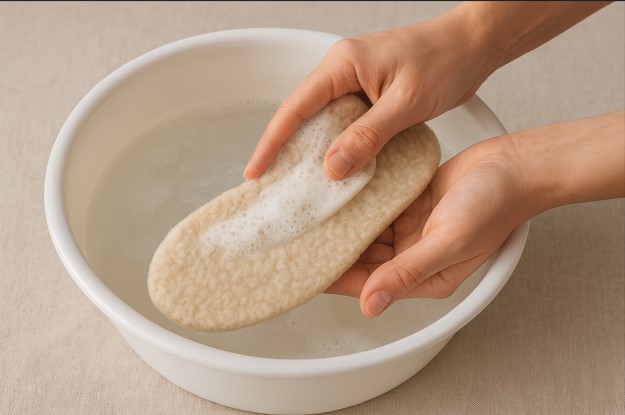
Caring for your warm insoles starts with proper washing. Not all insoles are machine washable , so always check the manufacturer’s instructions. If your insoles are hand washable, use warm water and a mild detergent. After washing, gently squeeze out the water and let the insoles dry naturally, avoiding direct sunlight and heating appliances.
Storage
Proper storage of insoles will help preserve their properties for a long time. Store insoles in a dry and ventilated place. If you do not plan to use them for a long time, place the insoles in a bag with ventilation holes. This will help avoid the accumulation of moisture and unpleasant odors.
Replacing insoles
Even the best quality insoles wear out over time. It is recommended to replace your insoles every 6-12 months, depending on how much you use them. If you notice that your insoles have lost their shape or become less comfortable, it is time to buy new ones. Regularly replacing your insoles will ensure maximum comfort and protection for your feet.
How warm insoles affect foot health
Warm insoles help:
-
avoid hypothermia and frostbite
-
reduce the risk of fungal infections
-
improve blood circulation
-
reduce fatigue while walking
-
reduce stress on heels and knees
This is a simple but very effective way to maintain health in winter.
Where to buy quality warm insoles
Online stores
✔ large selection
✔ real reviews
✔ fast delivery
✔ promotions and discounts
Physical stores
The advantage is that it can be measured and evaluated by touch.
What to consider when buying:
-
thickness
-
material
-
appointment
-
type of shoe
-
presence of orthopedic elements
Recommendations from buyers
Don’t forget about recommendations from other buyers. Reviews can give you an idea of the quality and comfort of the insoles. Read reviews on store websites or ask friends and acquaintances for advice. This will help you make the right choice and find the best insoles for your winter shoes.
It is important to remember that quality insoles can significantly improve the comfort and warmth of your feet in winter. Don’t skimp on this, because health and comfort are the most important things.
How to make warm insoles with your own hands
Making warm insoles with your own hands is not only interesting, but also useful. You can choose the materials that are best for you and create insoles that will perfectly match your shoes. Here are some tips on how to do it.
Material selection
First of all, you need to choose the materials. Natural fabrics, such as wool or felt, are best. They retain heat well and allow your feet to breathe. You can also use synthetic materials, such as fleece, which also has good thermal insulation properties.
Step-by-step instructions
- Measure your foot . To do this, place your foot on a piece of paper and trace its outline. Cut out the resulting template.
- Transfer the template to the chosen material and cut out two insoles.
- If the material is too thin, you can make several layers and sew them together for greater thermal insulation.
- Check that the insoles fit your shoes. If necessary, trim them to the correct size.
It is important to remember that shoe repair can include not only replacing insoles, but also other procedures that will help keep your favorite shoes in good condition.
Tips from the masters
- Use quality materials to make the insoles last longer.
- If you are not confident in your abilities, you can contact a master who will help you do everything correctly.
- Don’t forget to take care of your insoles: air them regularly and wash them if necessary.
Making your own warm insoles is a great way to keep your feet comfortable and warm in the winter. I hope these tips help you in the process!
Should I use heated insoles?
Advantages and disadvantages
When the cold weather sets in, heated insoles can be a real lifesaver. They provide extra warmth, which is especially important for those who spend a lot of time outdoors. However, there are some drawbacks to consider. For example, such insoles can be more expensive than regular ones, and they also require regular battery replacement or recharging.
Types of heated insoles
There are several types of heated insoles. Some are battery-operated, others have built-in rechargeable batteries, and some are powered by external power sources, such as power banks. The choice depends on your needs and usage conditions.
Advantages:
✔ maximum warmth
✔ temperature adjustment
✔ suitable for hunters, fishermen, military, couriers
Disadvantages:
✘ more expensive
✘ need charging
✘ not suitable for very narrow shoes
Warm insoles are a simple, inexpensive and extremely effective solution for winter. They make shoes more comfortable, feet warmer and walks more enjoyable. The right choice of material, care and use of orthopedic or heated models can significantly improve the quality of life in the cold season.
Safety of use
The safety of using heated insoles is an important aspect. You need to carefully monitor the condition of the batteries and accumulators to avoid overheating or short circuits. You should also pay attention to the quality of the materials from which the insoles are made, so that they do not cause allergic reactions or irritation.
It is important to remember that heated insoles can be beneficial, but their use requires some caution.
In general, if you often get cold or spend a lot of time outdoors, these insoles can be a great solution. But before buying, you should weigh all the pros and cons to make the right choice.
Heated insoles can be very useful, especially in the cold season. They help keep your feet warm and comfortable. If you want to learn more about these products, visit our website . There you will find a lot of useful information and you can make a purchase.
Conclusion
So, choosing warm insoles for winter shoes is an important step towards ensuring the comfort and warmth of your feet in the cold season. Remember that natural materials such as wool provide the best thermal insulation. Also pay attention to anatomical and orthopedic insoles that will help maintain the health of your feet. Do not forget about the correct shoe size, because even the warmest insoles will not save if the shoes are too tight or too big. We hope that our tips will help you make the right choice and enjoy winter walks without discomfort.
FAQ: Frequently Asked Questions
1. Will warm insoles help if my shoes get wet?
Yes, wool and felt continue to keep you warm even when wet.
2. Can all warm insoles be washed?
No. Wool is only by hand. EVA and fleece are machine-washed.
3. How often should you change your insoles?
Every 6–12 months.
4. Are warm insoles suitable for sports shoes?
Yes, but choose thinner models.
5. Do orthopedic insoles really reduce fatigue?
Yes, they align the foot position and reduce the load.
High-quality warm insoles can be purchased in online stores, physical stores, or through customer recommendations.