Stiletto Heels: What to Expect from These Shoes?


Stiletto heels have long been a symbol of elegance, grace and style. This type of footwear is often chosen for special occasions or business meetings, as the stiletto heel adds femininity to the image. However, behind the thinness and elegance of the stiletto heel, there are also certain risks. In this article, we will consider the main problems that stiletto heel owners face, as well as how to extend the life of such heels and avoid frequent repairs.
What materials are used to make stiletto heels?
The materials from which stiletto heels are made play a key role in their durability. The following types are mainly used:
- Metal. The most durable option for stiletto heels. Such heels can withstand heavy loads and last longer. But even metal can corrode or lose strength over time, especially if the shoes are worn in wet conditions.
- Plastic. Lightweight and cheap material, but less durable than metal. Plastic heels often crack and can break under high loads or impacts.
- Combined materials. Sometimes a combination of metal and plastic is used for heels, which helps to create a balance between durability and aesthetics.
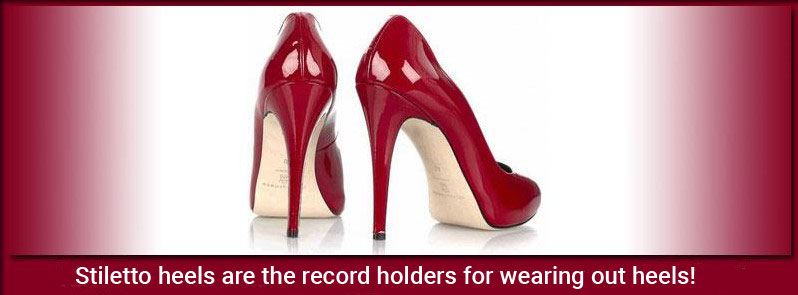
Why are stilettos the record holder for heel wear?
Stiletto heels are known for their high tendency to wear out their heels. Unlike more massive heels, stilettos have a small surface area that is constantly subjected to significant stress. As a result, the heels on the stilettos wear out much faster, sometimes even after one day of wear.
Why do heels wear out so quickly?
There are several factors that influence how quickly the heels wear out:
- Material. The quality of the heel cap material directly affects its durability. Plastic heels, which are often used in mass-produced shoes, wear out much faster than metal or rubber ones.
- Human gait. People with different gaits can differ significantly in how quickly they wear out their shoes. The concepts of “heavy” and “light” gait are not always related to a person’s weight, but rather to their manner of movement. People with a “heavy gait” often wear out heels faster.
The main problems faced by owners of high-heeled shoes include:
- High load on the heel. Due to the thinness of the design, the entire body weight falls on a small area of the shoe, which increases the likelihood of breakage.
- Weakness of the joints. The heel is usually attached to the sole with a metal rod, which can wear out or become weak with frequent use of the shoe.
Common Heel Breakages
As already mentioned, the heel breaks more often than other types of heels. The reasons for this are varied:
- Breaking at the base. The most common breakage is the heel breaking off where it connects to the sole. This can happen due to poor quality material, excessive pressure on the shoe, or wear of the metal rod that supports the heel.
- Cracks and damage to the upholstery.If the stiletto heel is covered with fabric, leather, or other material, over time the covering can become damaged, making the heel less stable and more susceptible to breakage.
- Stability Issues. Even if the stiletto heel is not broken, but only slightly damaged, this can lead to the heel becoming wobbly. If the shoe begins to wobble when walking, this is a clear sign that the stiletto heel is about to fail completely.
Tips for Extending the Life of Stiletto Heels
If you notice that the heels on your stiletto heels are wearing out too quickly, here are some tips to help extend the life of your shoes.
- Installing metal heels. If you know that your shoes wear out quickly, it is better to go to a repair shop immediately after buying a new pair and replace the plastic heels with metal ones. This is especially important for shoes with stiletto heels, as metal heels will last longer and keep the heel in good condition.
- Timely repair. Do not put off a visit to the shoemaker if you notice wear on the heels. Plastic heels can quickly wear out, and the heel will begin to get damaged. Repairs done in time will cost less than eliminating the consequences of a worn heel.
The influence of heel color on the complexity of repair
Special attention should be paid to shoes with light-colored stiletto heels. While black heels can be repaired and brought to an almost perfect look, with light-colored stiletto heels everything is more difficult. Light-colored material is susceptible to dirt, and if it is heavily worn, restoration can be problematic.
What to do if you have quality heels?
Some manufacturers care about the durability of their shoes and supply them with spare heels. This is a big plus, because you can postpone a visit to the shoemaker by replacing the heels yourself.
How to replace heels at home?
If you want to replace the heels yourself, follow these steps:
- Use pliers to carefully remove the old heel.
- Insert the new heel in place of the old one, securing it tightly.
- Make sure the new heel cap is not loose and the heel is stable.
If you are not confident in your abilities, you can watch instructional videos that show how to replace heel caps at home. This is a simple process that you can master yourself or ask someone to help.
The dangers of stiletto heels: impact on health
Wearing stiletto heels is not only a risk to the shoes themselves, but also to your health. Constantly walking in high thin heels can cause a number of problems:
- Foot deformation. Due to the high angle of inclination of the foot, the load on the toes and the instep increases, which over time can lead to foot deformation and the development of diseases such as bursitis.
- Problems with the spine. Stiletto heels change the natural position of the body when walking, which can cause back, neck and lower back pain.
- Stability and falls. Due to the thinness of the heel and the high instep, stability is reduced, which increases the risk of falls and injuries.
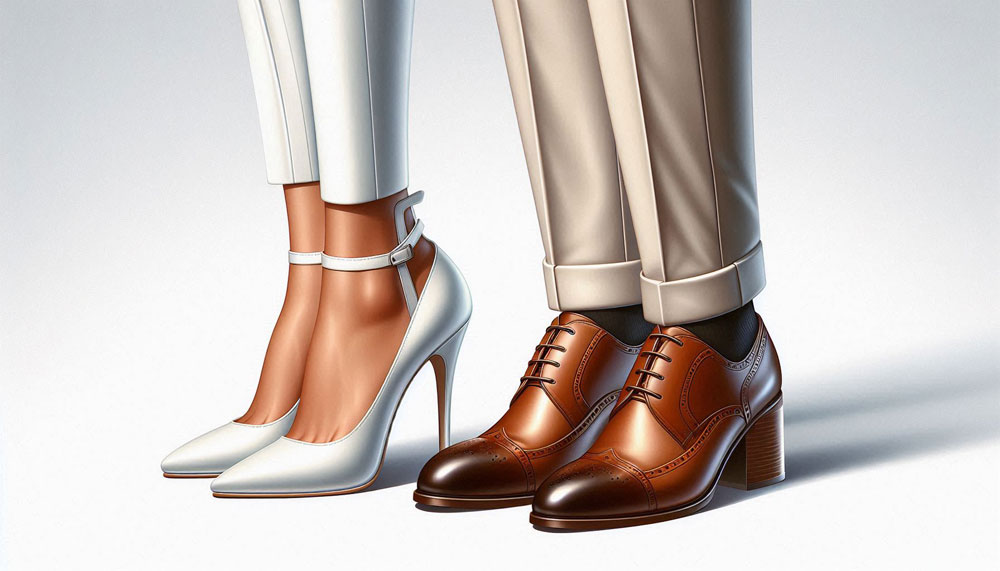
How to choose the right stiletto heels?
When choosing stiletto heels, it is important to consider several factors that will help avoid breakage and reduce health risks:
- Material quality. Choose shoes with durable materials for the heel and joints. Metal stilettos last longer than plastic ones.
- Heel height. For everyday wear, it is better to choose stilettos of medium height (6-8 cm), as they put less stress on the feet and spine.
- Wearing comfort. Pay attention to how comfortable you feel in the shoes when walking. Even the most beautiful stilettos should not cause discomfort.
Tips for safe use of stiletto heels
To make stiletto heels last longer and not break in unexpected situations, it is important to follow several recommendations:
- Avoid walking on grates and narrow cracks. The stilettos can get stuck in such places, which will lead to their breakage or damage.
- Periodically check the condition of the heels. If you notice that the heels are starting to wear out, it is better to immediately go to the repair shop than to wait until they are completely worn out.
Every owner of stiletto heels has their own story about using such heels.Share your cases in the comments: has it ever happened to you that the heel got stuck in the cracks or the heels wore out in one day? Your experience will be useful to others.
Conclusion
A stiletto heel is not only beautiful, but also requires special attention. Regularly checking the condition of the shoes, proper storage and timely repair will help extend the life of your favorite stilettos. Pay attention to details, and your shoes will please you for a long time!