Shoe welt: what is it and how to choose

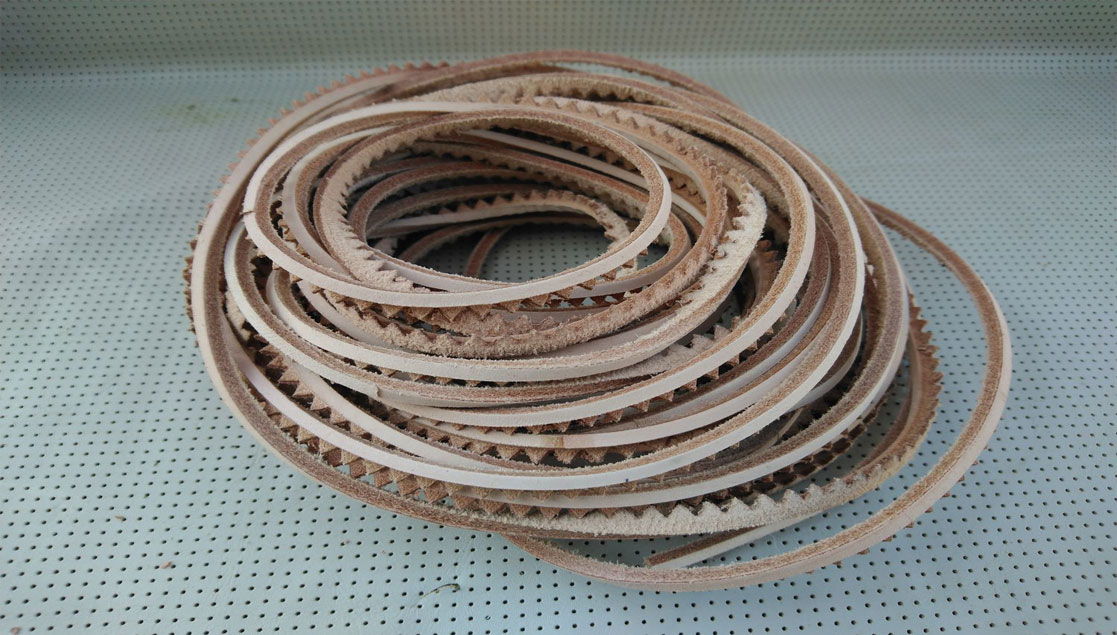
Shoe welt is the outer part of the lower part of the shoe, designed to connect the top of the shoe with the sole. In most cases, this part is decorative and is not subject to load. It decorates shoes, creating a smooth transition from the sole to the workpiece. Shoe designers take into account these properties of the welt and pay special attention to this element when creating model shoes.
Choosing the right shoe welt is an important step in ensuring the comfort and durability of your shoes. Welts not only add a stylish look, but also protect the shoe from damage and affect the support of the foot. In this article, we will consider what types of rants are, what materials they are made of, and how to choose them correctly.
Main points
- There are different types of edges: decorative, overlay, load-bearing
- Rants are made of different materials: natural, synthetic and combined.
- When choosing an ankle boot, it is important to consider the type of shoes, the quality of materials and comfort.
- Welts protect shoes from moisture and mechanical damage.
- Caring for shoes with a welt includes regular cleaning, drying and proper storage.
Types of shoe laces
Rant is a narrow strip made of leather or various types of rubber. There are three main types of shoe welt:
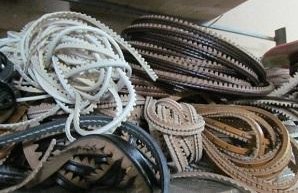
Decorative shoe welt.
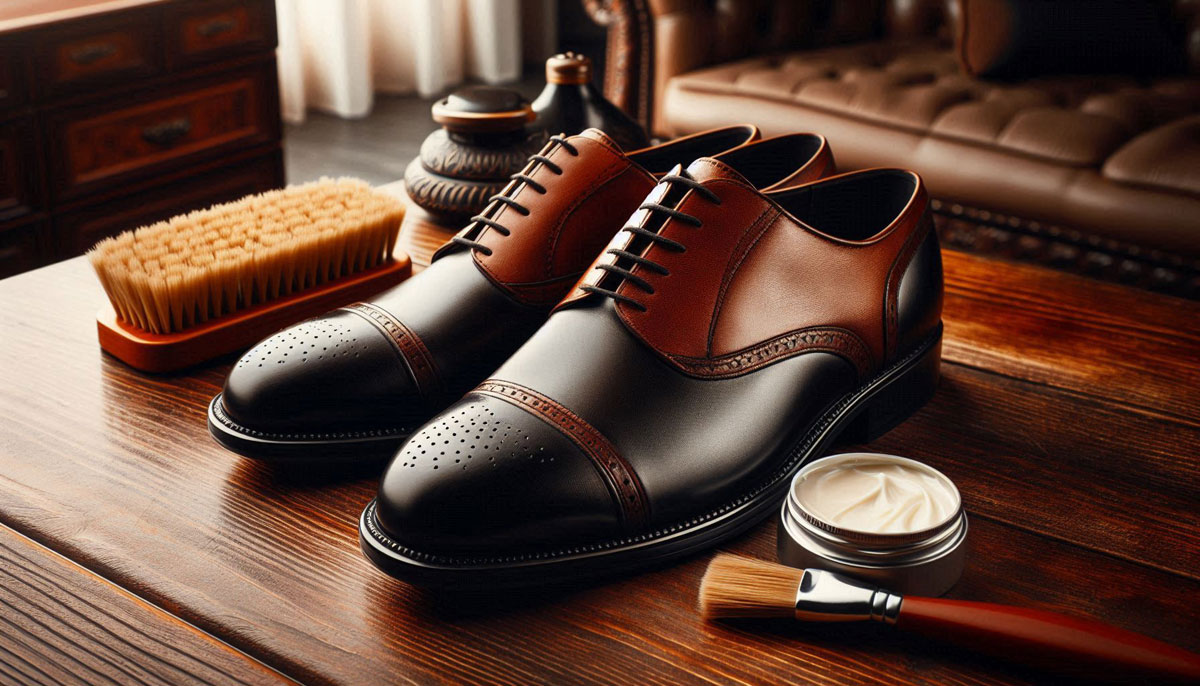
This type of welt serves to improve the appearance of the shoe. It can look like a simple strip, tight to the sole, which can be mistaken for an extension of the sole. It can also be profiled and made of PVC, and sometimes have different colors.
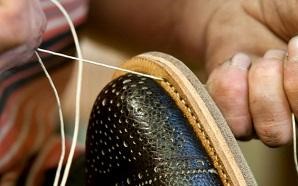
Applied shoe welt.
The applied welt gives the seam strength and serves to connect the sole with the top of the shoe. It significantly improves the appearance of sandal-type shoe fastening.
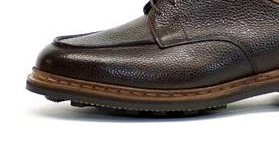 Carrying rant.
This welt is subjected to a special load, because it connects the sole with the top of the shoe, most often with the help of firmware. It is made of high-quality leather and should be elastic.
Classic rants
Classic welts are the most common and are used in most types of footwear. They provide reliable protection and durability. Usually made of natural materials, such as leather or shoe substitute. These lapels are suitable for everyday wear and formal events.
Materials for making rants
Natural materials
Natural materials for making rants include leather, which is one of the most popular options. Leather for rants is made from the hides of cattle or pigs. It can be natural or painted in different colors. Leather for welts should be resistant to dry friction. Natural materials ensure high quality and durability of shoes.
Natural materials, such as leather, provide not only an aesthetic appearance, but also high functionality of the welts.
Synthetic materials
Synthetic materials are becoming more and more popular due to their unique properties. They can be lighter, more resistant to moisture and mechanical damage. Polyurethane and PVC are often used among synthetic materials. These materials make it possible to create laces with high performance characteristics a>.
Combined materials
Combined materials combine the advantages of both natural and synthetic materials. For example, leather can be combined with synthetic inserts to increase durability and comfort. Such rants can be an ideal choice for those looking for a balance between traditional and modern materials.
How to choose the right shoe welt
Choosing a welt for shoes is an important step, because it depends on the comfort and durability of your shoes. Choosing the right welt can greatly improve your shoe experience and provide additional protection. Let’s consider the main aspects that should be paid attention to when choosing a rent.
Taking into account the type of footwear
First of all, you need to take into account the type of shoes for which you choose a welt. For example, for mountain tourism, it is important to choose rants that provide maximum protection and stability. Light and flexible welts that do not restrict movement are better suited for sports shoes. It is also important to consider the seasonality of shoes: winter shoes need thicker and stronger welts, while summer shoes can have thinner and lighter welts.
Assessment of the quality of materials
The quality of the materials from which the welt is made is of great importance. Natural materials such as leather offer high strength and durability, but can be heavier. Synthetic materials, on the contrary, are lighter, but may be less resistant to wear. Combined materials can combine the advantages of both types, but it is important to pay attention to their quality and manufacturer.
It is important to remember that the quality of materials directly affects the comfort and durability of your shoes.
Convenience and comfort
The convenience and comfort of shoes with a welt depend on many factors, including the shape and stiffness of the welt. It is important that the welt does not rub and does not create discomfort while walking.It is recommended to try on shoes with different types of welts to find the most comfortable option. It is also worth paying attention to how the welt affects the overall weight of the shoe, because heavy shoes can quickly tire the feet.
The role of the welt in the protection of shoes
Protection against moisture
The instep of the shoe plays an important role in protection against moisture. It creates a barrier that prevents water from penetrating inside the shoe. This is especially important in rainy weather or when walking on wet grass. Correctly selected welt will help keep your feet dry and comfortable.
Moisture can quickly destroy shoes, so it is important to choose models with a quality welt.
Protection against mechanical damage
The edge also protects the shoes from mechanical damage. It protects the sole and upper part of the shoe from abrasion and scratches. This is especially important for those who spend a lot of time on their feet or are physically active. The tread helps to keep the shoes in good condition for a long time.
- Abrasion protection
- Protection against scratches
- Preserving the appearance of shoes
The secret of falconry is that a quality welt can significantly extend the life of your shoes.
Influence of welt on the comfort and support of the foot
The instep of the shoe plays an important role in providing comfort and support to the foot. A properly selected welt can significantly reduce the load on the legs, which is especially important for those who spend a lot of time on their feet or engage in physical activity.It is important to consider that the welt must be made of quality materials that provide cushioning and support.
Depreciation
Cushioning is a key aspect of shoe comfort. It helps to reduce the impact load on the foot during walking or running. Well-cushioned insoles can prevent leg fatigue and reduce the risk of injury. It’s important to choose shoes with a welt that has enough cushioning for your type of activity.
Foot support
Foot support is also an important factor that affects shoe comfort. The rant should ensure stability and the correct position of the foot during movement. This is especially important for people with foot problems such as flat feet or pronation. Shoes with good foot support help avoid discomfort and pain, and improve overall stability when walking or running.
Choosing the right running gear can greatly improve your comfort and reduce your risk of injury. Do not forget to pay attention to the quality of the materials and construction of the shoes to ensure maximum support and cushioning.
How to care for shoes with welts
Before starting operation, familiarize yourself with important information about shoe care. This will help keep it in good condition for a long time and extend its service life.
Cleaning and drying
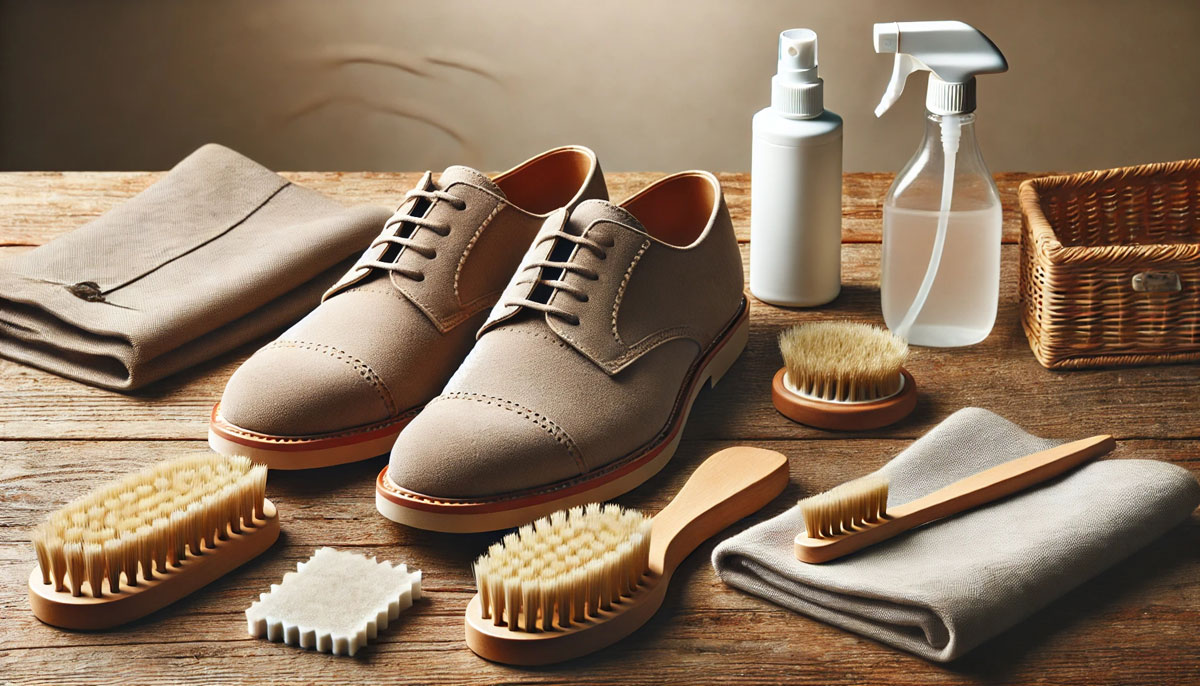
After each use of shoes, especially in hiking conditions, it is necessary to clean them. The fabric becomes more intensively soiled, gets wet, and small stones or tree thorns get stuck in the sole. Therefore, after returning home, clean and dry your shoes. If the shoes were heavily soiled, you can remove the insole and laces, clean and dry them separately.
Shoe storage
Store the shoes in a dry and ventilated place. Do not leave it in damp areas as this may damage the materials. To preserve the shape of the shoe, use special inserts or stuff it with paper. This will help to avoid deformation and preserve the appearance of the shoes for a long time.
Caring for shoes not only extends their service life, but also ensures comfort during wear.
Common mistakes when choosing shoe laces
Wrong choice of material
One of the most common mistakes is the wrong choice of material for the rant. Often we choose the material without taking into account the conditions in which we will use the shoes. For example, natural materials such as leather can be a great choice for urban shoes, but not suitable for sports or hiking shoes that are exposed to heavy loads and exposure to moisture.
Ignore shoe type
Another serious mistake is ignoring the type of shoes when choosing a boot. It is important to understand that different types of shoes require different types of welts. For example, laces for sports shoes should be light and flexible, while for hiking shoes, strength and durability are important.
Choosing the wrong welt can lead to rapid wear of shoes and even foot injuries. Therefore, it is important to carefully approach this issue and take into account all factors.
Advantages and disadvantages of different types of rants
Advantages of natural edges
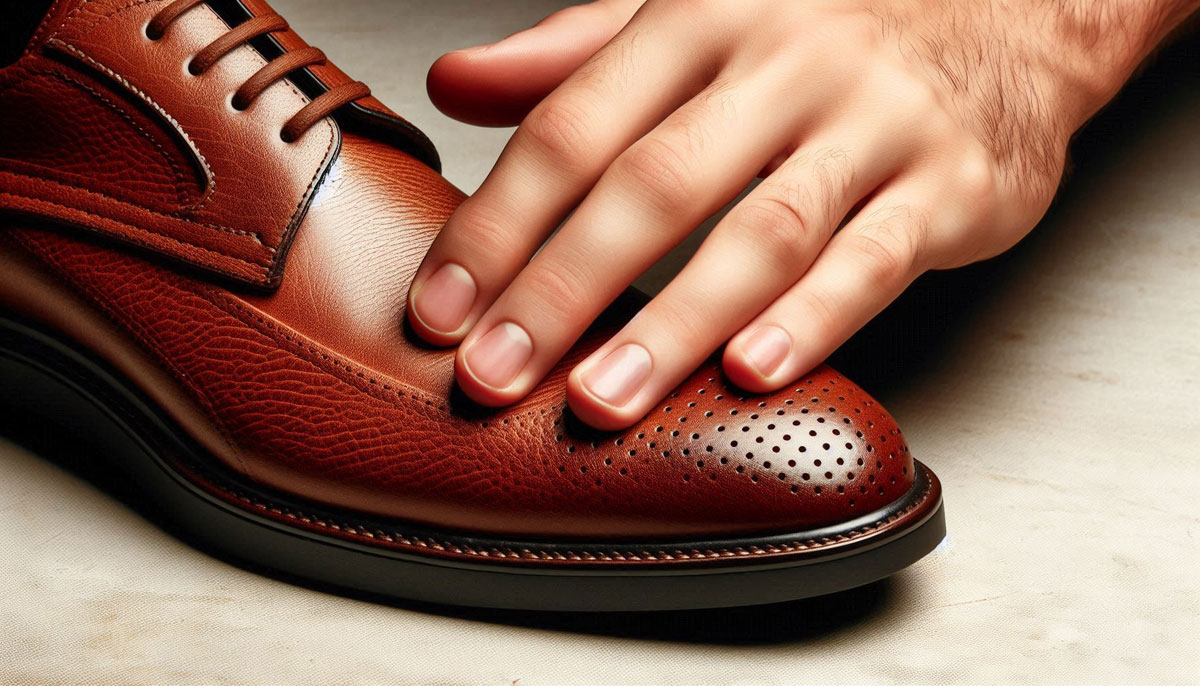
Natural welts made of leather have many advantages. They provide high strength and durability, which makes shoes more resistant to wear. Natural materials also allow air to pass through well, which allows the feet to breathe and reduces the risk of unpleasant odors. In addition, leather welts have an aesthetic appearance and add elegance to the shoes.
Natural welts are often used in the production of classic and business shoes, where both appearance and comfort are important.
Disadvantages of synthetic edges
Synthetic edges, although cheaper to manufacture, have their drawbacks. They can be less durable and wear out faster. Also, synthetic materials often do not allow air to pass through, which can lead to increased sweating and discomfort. In addition, synthetic welts may have a less attractive appearance compared to natural ones.
Choosing between natural and synthetic welts depends on your needs and budget.Natural welts offer better quality and comfort, while synthetic welts can be more affordable.
Influence of welt on the durability of shoes
Abrasion resistance
The instep of a shoe plays an important role in ensuring its durability. A high-quality welt can significantly reduce the wear of shoes, as it protects them from mechanical damage and the influence of external factors. For example, a genuine leather skirt can withstand significant loads and keep its shape for a long time. Synthetic materials such as polyurethane are also highly durable, but may be less flexible.
Choosing the right welt material can go a long way in extending the life of your shoes.
Influence of operating conditions
The conditions in which shoes are used also affect their durability. For example, shoes that are worn in conditions of high humidity or on uneven surfaces need a more durable and wear-resistant welt. Natural materials such as leather can lose their properties when exposed to moisture, while synthetic materials are better able to withstand such conditions. It is important to consider these factors when choosing shoes for different operating conditions.
- High humidity: choose welts made of synthetic materials.
- Uneven surfaces: welts made of genuine leather or combined materials.
- Extreme temperatures: synthetic materials better withstand cold and heat.
Modern technologies in the production of rants
Innovative materials
Nowadays, the production of shoe laces actively uses innovative materials. This allows you to significantly improve the quality and durability of shoes. Among such materials, we can highlight:
- Thermoplastic elastomers (TPE): provide high flexibility and resistance to wear.
- Polyurethane: known for its strength and lightness.
- Carbon fibers: add lightness and strength to shoes.
Newest production methods
Modern methods of production of welts include the use of 3D printing and laser cutting. These technologies make it possible to create edges with high precision and minimal material waste. In addition, automation of production processes helps to reduce production time and improve product quality.
The use of the latest technologies in the production of shoe laces allows us to create products that meet the highest standards of quality and comfort.
Conclusion
Choosing the right shoes is an important step in ensuring the comfort and health of your feet. Whether you’re looking for shoes for everyday use or for outdoor activities, always pay attention to the quality of materials, comfort and support. Remember that well-fitting shoes can greatly improve your experience of any activity and keep your feet healthy. Be careful when choosing and do not forget about the care of shoes so that they serve you for a long time and reliably.
Frequently asked questions
What is a shoe welt?
The shoe welt is the upper part of the sole that connects it to the top of the shoe. It provides additional strength and protection.
What materials are used for the manufacture of rants?
Wounds can be made of natural, synthetic or combined materials. Each type has its advantages and disadvantages.
How to choose the right welt for shoes?
When choosing a boot, it is important to take into account the type of shoes, assess the quality of materials and comfort. Also pay attention to the protection and support of the foot.
Does the welt affect the comfort of the shoe?
Yes, the welt affects the comfort of the shoe, providing cushioning and foot support.
How to care for shoes with a welt?
Care includes regular cleaning and drying of shoes, as well as proper storage. This will help keep the shoes in good condition.
What are the common mistakes when choosing a rant?
Common mistakes include choosing the wrong material and ignoring the type of shoe the welt is designed for.
What are the advantages of natural edges?
Natural welts are usually more breathable and comfortable, but may be less resistant to moisture and wear.
Do modern technologies affect the production of rants?
Thus, modern technologies allow the use of innovative materials and the latest production methods, which increases the quality of edges.