Shoe Valve: Meaning, Types and Care Tips


What is a shoe valve?
A valve (tongue) is a part of a shoe, attached to the vamp and located under the bottom of the ankle boots. Outwardly, it resembles a tongue and serves to protect the foot from the pressure of laces and eyelets, and also prevents foreign objects, such as dirt and stones, from getting into the shoe. However, the valve does not protect against water penetration.
A shoe valve, often called a tongue, is an important detail that is not always noticeable at first glance, but it plays a key role in the comfort and protection of your feet. This article will tell you what a shoe valve is, what types there are, and how to properly care for it.
When a shoe valve is sewn to the ankle boots along the entire length, it is called a blind valve. In this case, it performs its function 100% and can even protect against water penetration. This design is most often used in special and sports shoes.
Main functions of the shoe valve
The shoe valve performs several key tasks:
- Foot protection: The valve protects the foot from the pressure of laces, eyelets and other fasteners, which makes the shoes more comfortable.
- Prevention of foreign objects from getting in: It prevents dirt, small stones and other small objects from getting into the shoes.
- Improved comfort: The valve softens the pressure on the top of the foot, which is especially important when wearing shoes for a long time.
Types of shoe valves
Blind valve
A blind valve is a type of valve that is completely sewn to the upper along its entire length. Its name justifies itself, as it maximally protects the inside of the shoe from water and dirt. This type of design is often used in special shoes and sports models.
Semi-blind valve
If the valve is sewn to the vamp only to the middle, it is called semi-blind. It also performs a protective function, but not to the same extent as a blind valve.
A semi-blind valve is sewn to the vamp only to the middle. This type of valve provides partial protection from dirt and water, while maintaining greater flexibility and comfort when walking.
Flap under the zipper
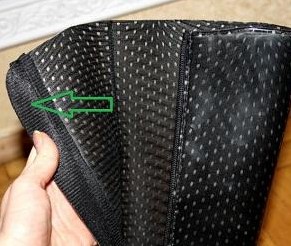 A valve is also a part of boots or half-boots located under the zipper. Its main function is to protect the feet from foreign objects and moisture, as well as to prevent various materials, such as lining fluff, stockings or fabric, from getting onto the zipper surface.
It is especially important to note the role of the valve in women’s boots. In these shoes, the valve under the zipper performs another important function – it protects the zipper from getting stuck by foreign materials, which is especially important when wearing clothes made of soft fabrics or stockings. This prevents the zipper from breaking and increases the service life of the shoes.
Problems with the shoe valve and their solutions
Shoe valve slippage
Sometimes a high shoe valve, especially if it does not have a rigid base, can slip down, creating discomfort when wearing. However, this problem is easy to solve. Make one or two holes in the valve and thread the laces through them – this will hold the valve at the desired level.
Tips for caring for the shoe valve
- Regular cleaning: The shoe valve, like other elements, needs to be regularly cleaned from dirt and dust. Use a soft brush or cloth to remove dirt.
- Moisturizing the leather: If the valve is made of leather, do not forget to regularly treat it with special moisturizing agents. This will prevent cracking and maintain its elasticity.
- Repair if necessary: If damage or wear is detected on the valve, it is recommended to contact a professional for repair or replacement.
The origin of the valve in shoes
The history of the valve in shoes dates back to ancient times, when people began to realize the need to protect their feet not only from external influences, but also from internal discomfort.The first prototypes of valves can be found in military and work boots, where protecting the foot from the pressure of laces and the penetration of dirt was vital.
As shoemaking developed, valves became more complex and multifunctional. In the Middle Ages, when shoes and boots became more closed, the valve began to be used not only for protection, but also to improve the comfort and durability of the shoe. In the 19th century, with the advent of mass production of shoes, valves became a standard element of many types of shoes, from military to casual.
Today, valves remain an important element of shoe design, combining both practical functions and design elements. In women’s boots, for example, flaps under the zipper not only protect the foot, but also prevent fabric or other materials from getting stuck in the fastener. The valve has become an important part of shoe design, taking into account both functionality and aesthetic appeal of the product.
Conclusion
The boot flap is an important, but often underestimated part of the shoe, which plays a key role in the protection and comfort of your feet. Knowing its functions, types and care methods will help you keep your shoes in excellent condition for longer and avoid many troubles. Following the care and repair tips, you can extend the life of your shoes and maintain comfort when using them.