Shoe strap: history, care and repair

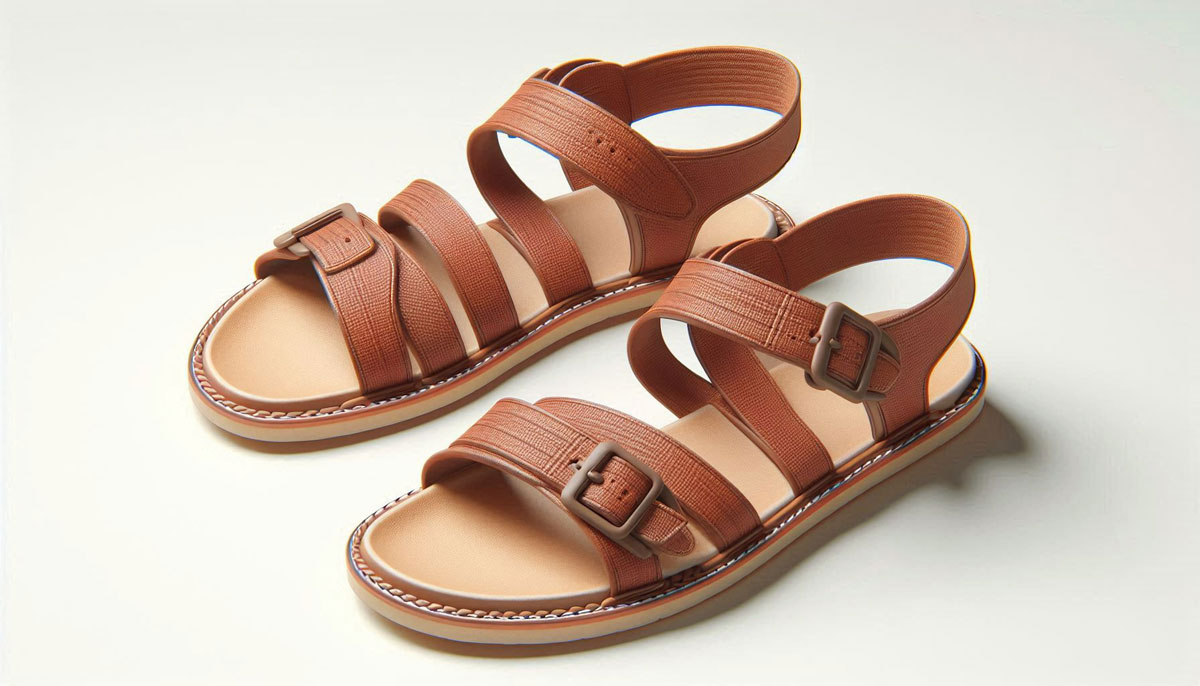
A shoe strap is an important element of many types of footwear, from classic shoes to summer sandals. Not only does it serve a functional purpose, holding the foot in place, but it also adds a stylish look. Depending on the type of footwear, straps can be made of various materials, including leather, textiles, and synthetics. The history of straps goes back to ancient times, when they were used to fix sandals on the feet of ancient people.
Shoe strap history
The origin of shoe straps
The history of shoe straps dates back to ancient times, when the first shoe designs were primitive sandals made from animal skin or plant materials. These early models used straps to secure the shoe to the foot, making the shoe more practical for everyday wear.
Straps became an integral part of European footwear during the Middle Ages, especially in fashion courts, where women’s and men’s styles included elaborate leather straps, often adorned with decorative buckles or embroidery.
The Evolution of Straps in the 20th Century
In the early 20th century, with the advent of modern technology and materials, straps became more diverse. Shoe designers experimented with different shapes, fasteners, and materials. For example, in the 1920s, the Mary Jane strap became a style icon. In the 1960s, flat sandals with wide leather straps gained popularity.
Modern Strap Trends
Nowadays, straps can perform both decorative and functional tasks. They have become a symbol of elegance in classic shoes, such as high-heeled shoes, as well as an integral part of sports and casual shoes.
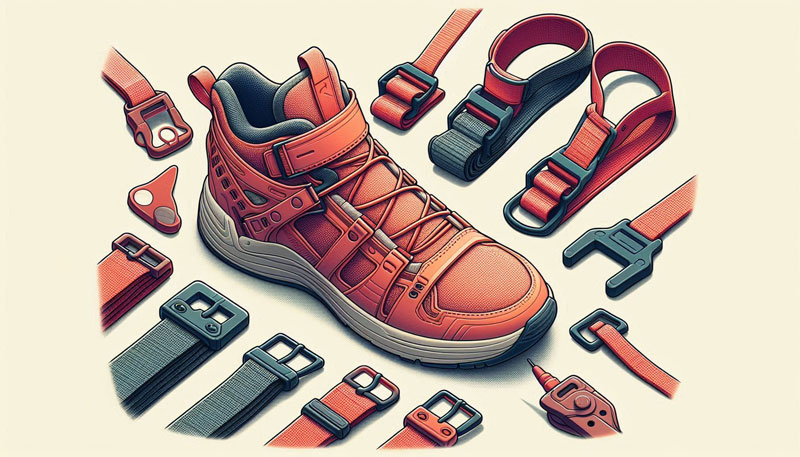
Types of Shoe Straps
Classic Leather Straps
Leather straps are among the most common and durable. They can usually be found in shoes, sandals and summer shoes. Leather not only gives the product a presentable look, but is also highly durable with proper care.
Synthetic Straps
Synthetic straps are usually used in more budget-friendly shoe options. They can be made of polyurethane or other artificial materials. Their main advantage is low cost, but, unfortunately, the service life of synthetic straps is significantly lower compared to leather ones.
Fabric Straps
Such straps are often found in sports shoes or sandals. They are lightweight, flexible and provide good air circulation, which is especially important in hot weather. However, the fabric wears out faster and can stretch over time.
Decorative Straps
Decorative straps serve primarily to decorate shoes. They can include design elements such as chains, buckles, beads or rhinestones.Despite their visual appeal, such straps are not always practical and require careful handling.
Caring for shoe straps
Caring for leather straps
Leather straps require regular care to maintain their strength and appearance. It is recommended to use special leather creams that moisturize and protect the strap from cracking and drying out. To maintain the shape, avoid exposure to direct sunlight and moisture.
Caring for Synthetic Straps
Synthetic straps do not require as much care as leather ones, but they should be cleaned periodically from dirt and dust. It is also important to avoid excessive tension and not to leave shoes with synthetic straps in places with high humidity.
Caring for Fabric Straps
Fabric straps are easy to clean with a soft brush and soapy water. However, such straps are easily subject to dirt and abrasions, so they need to be cared for regularly, especially after walks in nature or in urban areas.
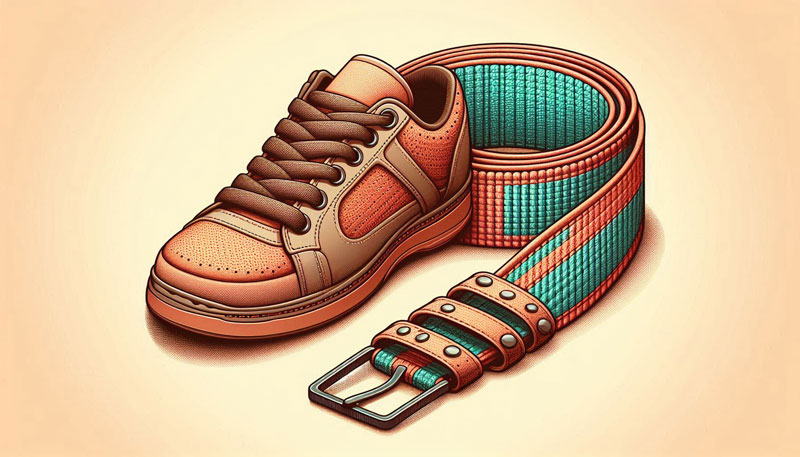
Shoe Strap Repair
Leather Strap Repair
If a leather strap is torn, it can be repaired in a repair shop. Usually, the repairman will glue or stitch the tear. It is also possible to replace the buckle if it is worn out or broken.
Synthetic Strap Replacement
Synthetic straps are more difficult to repair, as they are not as easy to stitch. Most often, repairmen offer to replace the strap completely.
Decorative Strap Repair
Decorative strap repair may require the help of a specialist. Some decorative elements, such as rhinestones or chains, can be replaced, but it is best to avoid self-repair so as not to permanently damage the shoe.
Conclusion
A shoe strap is not only a functional element of footwear, but also a significant part of the design. Leather, synthetic and fabric straps vary in durability and care, and their repair depends on the material and design. With proper care and attention to detail, straps can last a long time, maintaining their attractiveness and functionality.