Shoe Repair: Saving Money and Helping the Environment

In a world where consumption has reached unprecedented heights, issues of ecology and rational use of resources are becoming increasingly important. One of the simple but significant ways to contribute to preserving the environment is to repair shoes instead of throwing them away. Many shoe problems can be solved independently, and in more complex cases, you can contact professional craftsmen. In this article, we will consider why shoe repair is beneficial both from an environmental point of view and from the point of view of saving money, what types of breakdowns exist and how they can be fixed.
Why is it worth repairing shoes instead of throwing them away
Economic aspect
Shoe repair can be a significant savings compared to buying a new pair. For example, a high-quality replacement of the sole or heel is much cheaper than buying new shoes, especially if we are talking about expensive or branded models.
Examples of savings:
- Replacing insoles can extend the life of your shoes.
- Gluing soles on is cheaper than buying a new pair.
- Removing squeaks and other minor defects prevents the need to replace shoes.
So shoe repair saves money and extends the life of your favorite shoes, making it a smart choice for many people.
Emotional Value
Many people are emotionally attached to their shoes. A favorite pair can be associated with important moments in life, whether it’s a wedding, prom, or travel.Restoring such shoes allows you to preserve memories and a unique style.
Examples of shoes with emotional value:
- Shoes in which you have accomplished significant events in life.
- A gift or an inherited item.
- A collectible or rare pair of shoes.
Preserving emotionally valuable shoes by repairing them helps to extend their life and the preservation of memories.
Environmental aspect
Every year, millions of tons of textiles and shoes are sent to landfills around the world. The problem is that shoes decompose very slowly, and many modern materials, such as synthetics and rubber, can take hundreds of years to decompose. Throwing away old shoes is not just a waste, it is a serious blow to the environment.
- Reduce waste: Throwing away shoes increases the amount of non-biodegradable materials in landfills.
- Reduce resource consumption: Each pair of shoes requires a huge amount of raw materials, including water, leather, synthetic materials and energy.
- Reduce carbon footprint: The production and transportation of new shoes increases carbon dioxide emissions into the atmosphere. Shoe repair helps reduce these emissions.
Shoe repair is a contribution to sustainable consumption, which reduces pollution and reduces the burden on natural resources.
The main types of shoe damage and how to fix them
Shoe repair begins with determining the type of damage. Some damage can be fixed independently, while others will require professional help. Let’s look at the main types of damage and how to fix them.
Wear of the sole
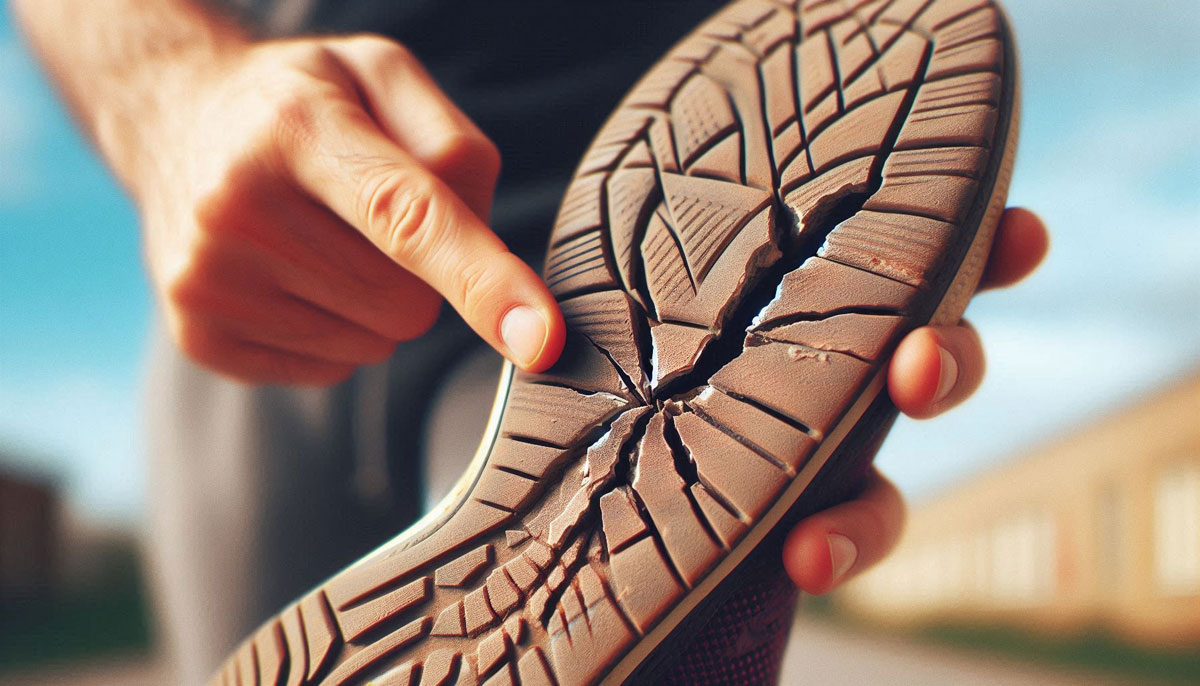
Wear of the sole is one of the most common problems. It is important to notice wear in time to prevent further destruction of the shoe. Signs of wear include a worn out sole pattern, distortion of shape, and the appearance of cracks.
- Do-it-yourself repair: At home, you can try to glue the part of the sole that has come off or replace the insoles.
- Contact a specialist: In case of significant wear of the sole, a professional specialist can offer to replace the sole, which will extend the life of the shoes for several seasons.
Heel damage
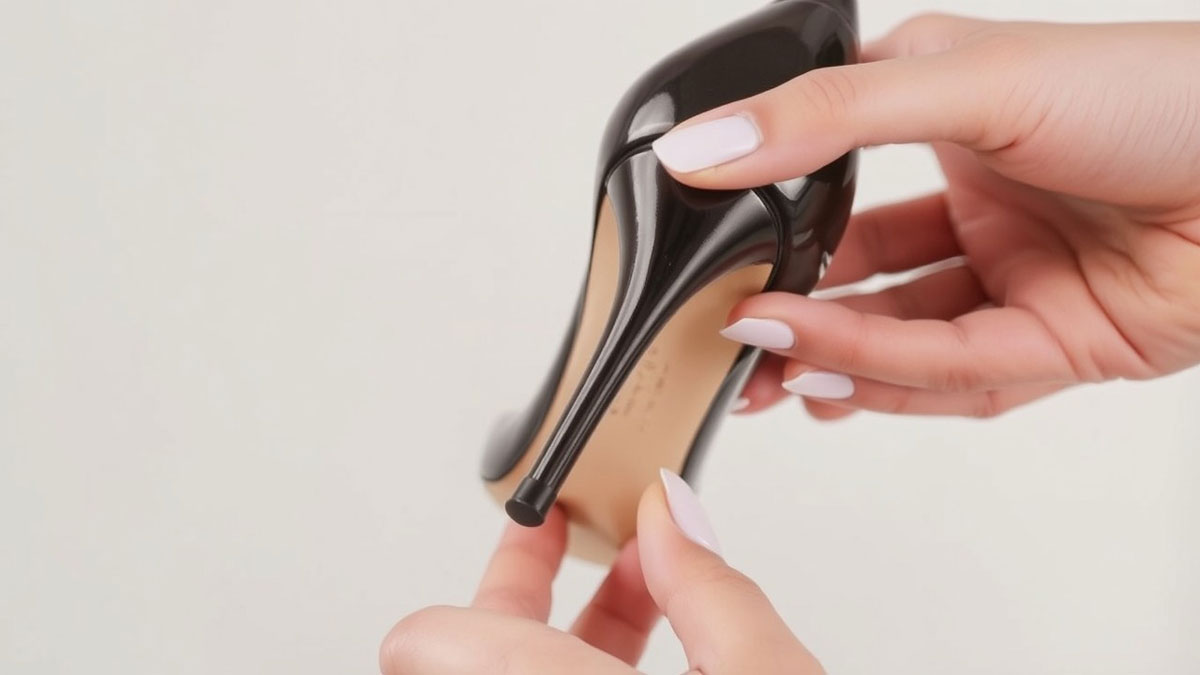
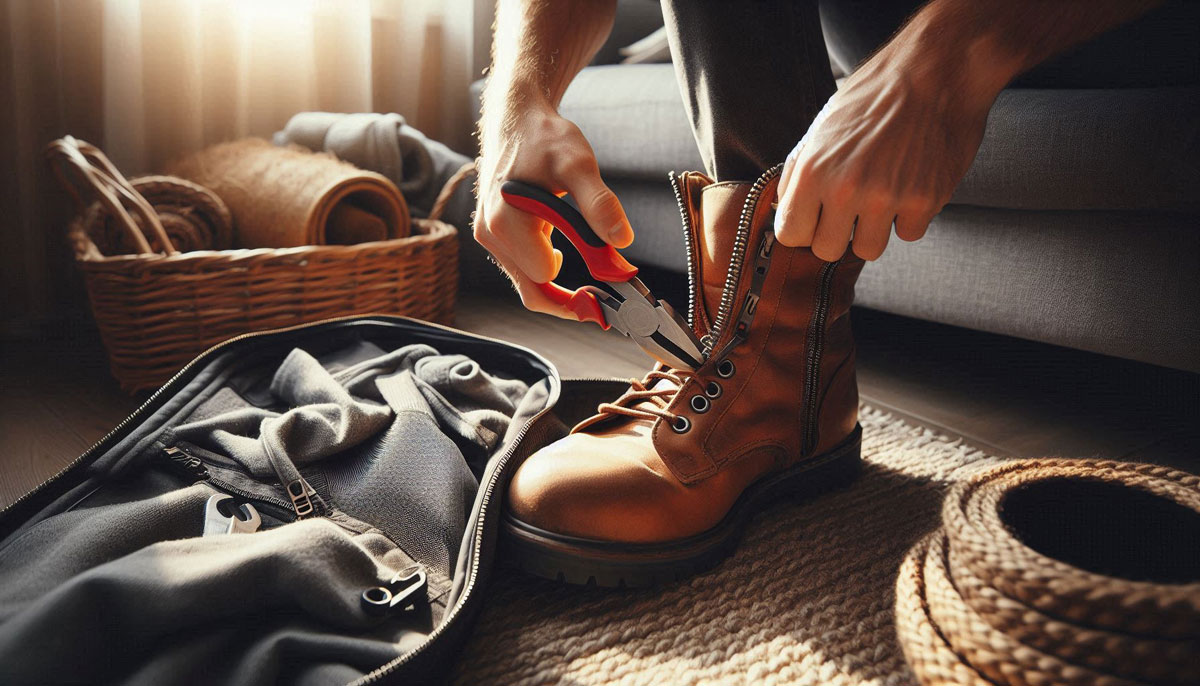
The heel is an element that often suffers from cracks, chips and deformation. In case of minor damage, the heel can be restored with glue and other tools.
- Do-it-yourself repair: Gluing the chipped parts of the heel or replacing small heel caps can be done at home.
- Contact a specialist: Serious damage to the heel, such as deep cracks or loss of stability, is best left to specialists. They will replace the heel or restore its structure.
Tears and scuffs in the material
The shoe material may tear or wear out over time. Such problems not only spoil the appearance of the shoe, but can also make it unsuitable for wearing.
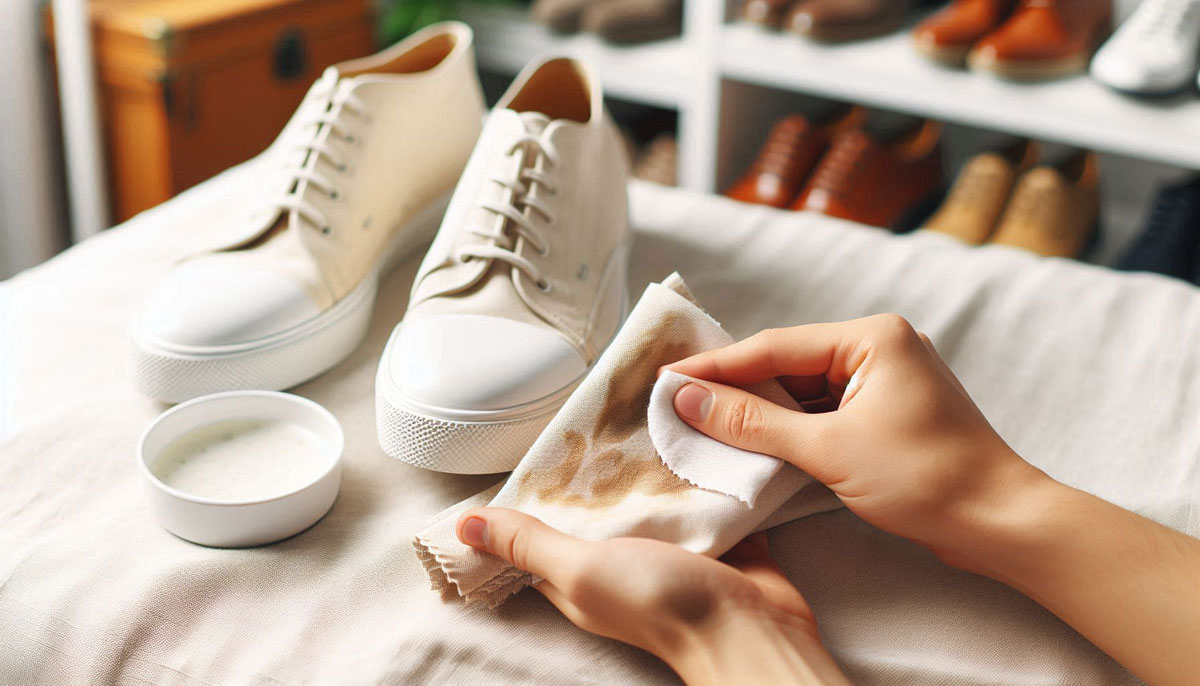
- Do-it-yourself repair: To repair tears, you can use special shoe glue, and to mask scuffs, special creams and paints.
- Contact a specialist: In difficult cases, when the material is badly damaged, it is better to contact a professional who will carefully restore the damaged area.
Do-it-yourself shoe repair: step-by-step instructions
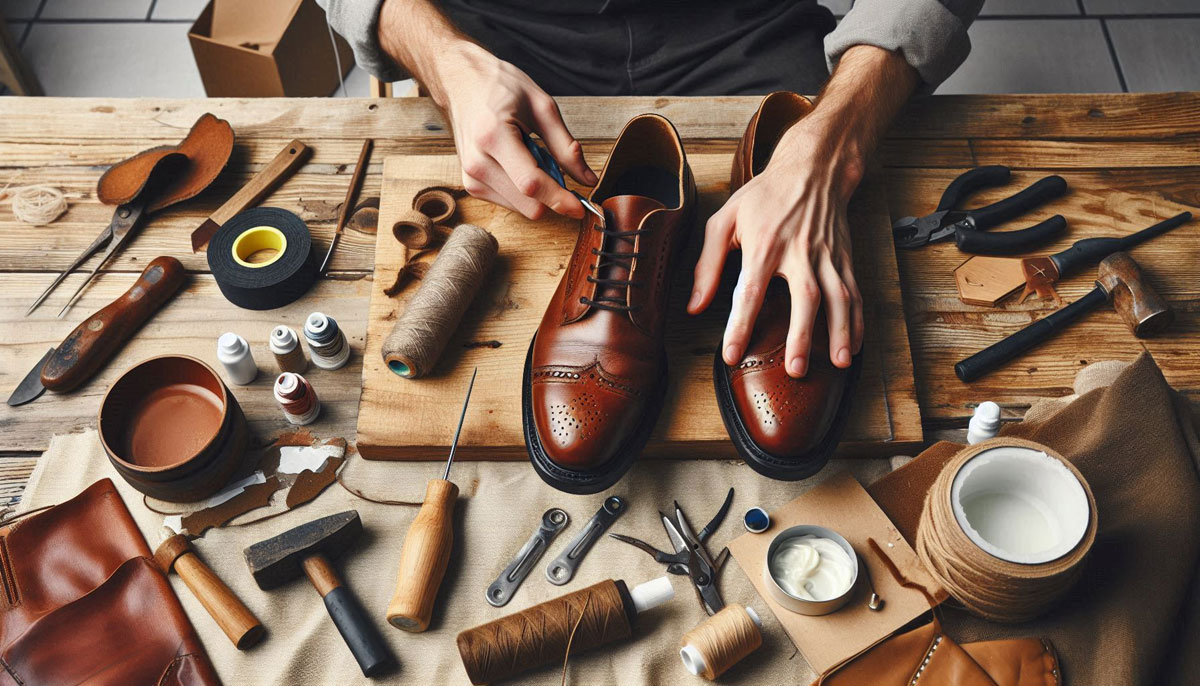
Some types of shoe repair can be done by yourself using simple tools and materials. Here are some examples.
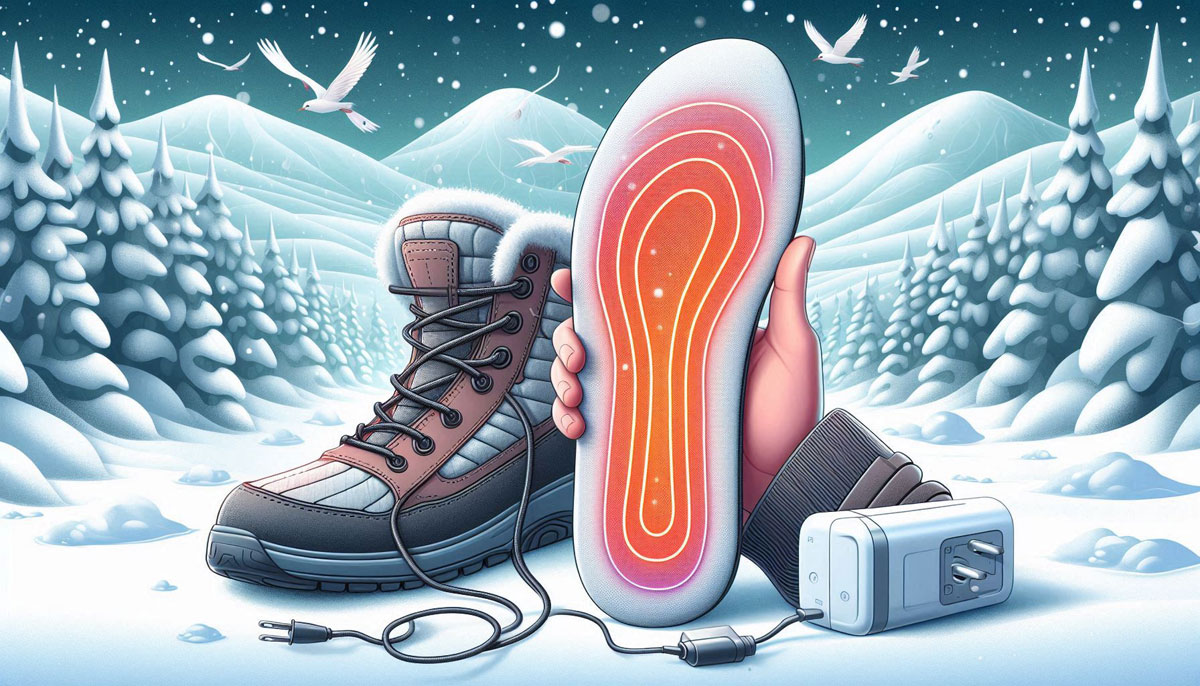
Replacing insoles
Insoles are an important part of shoes that are responsible for comfort when worn. Worn insoles can make shoes uncomfortable and cause premature wear of the sole.
Steps to replace insoles:
- Remove the old insoles from the shoes.
- Clean the inside of the shoes.
- Choose new insoles of the appropriate size and shape.
- Insert the insoles, making sure they fit perfectly.
Re-gluing a detached sole
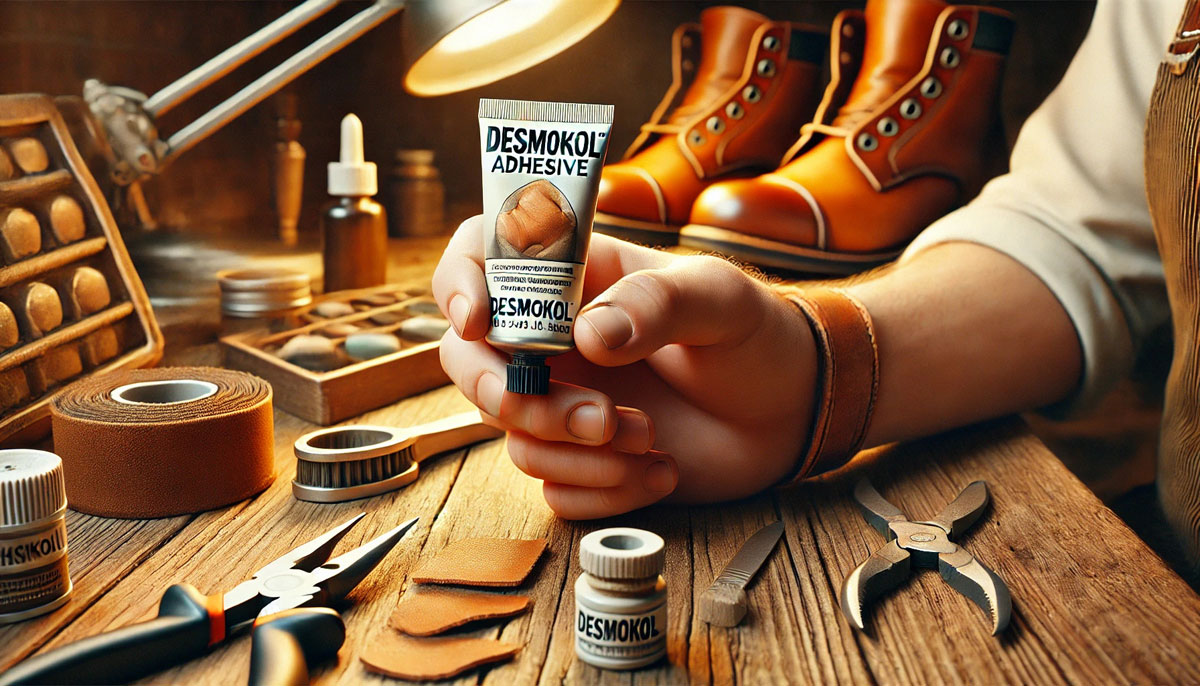
A detached sole is a common problem, especially with sneakers and boots. You can re-glue the sole yourself.
Steps for gluing the sole:
- Clean the surfaces from dirt and dust.
- Apply special shoe glue to both surfaces.
- Press the sole and fix it for several hours.
- Let the glue dry for 24 hours before using the shoes.
Eliminating squeaking
Shoe squeaking can be caused by friction between the insoles or the sole. Talcum powder or cornstarch can be used to eliminate this problem.
Steps to eliminate squeaking:
- Sprinkle talc on the inside of the shoe.
- Let the shoe dry if moisture is the cause of the squeaking.
- Use special shoe care products.
When it’s time to contact the professionals
Not all types of shoe damage can be fixed on your own. In some cases, it is better to entrust your shoes to professionals.
Complex cases of damage
Some damage requires specialized skills and equipment. For example, restoring the shape of the shoe or deep cracks in the material.
Examples of complex cases:
- Deep cracks in the leather.
- Serious deformations of the sole.
- Loss of shape of the shoe.
Need for specialized equipment
Some types of repair require professional equipment, such as a press for restoring the shape or machines for grinding and polishing.
Examples of equipment required for repair:
- Press for forming shoes.
- Special machines for grinding soles.
- Equipment for applying protective coatings.
How to choose a shoe repairman
Choosing a good repairman is an important step in successful shoe repair. Here are some tips:
- Customer Reviews: Find out what other customers think about the repairman.
- Experience: Make sure the repairman has experience in shoe repair.
- Specialization: Some repairmen specialize in repairing specific types of shoes, such as athletic shoes or leather shoes.
Caring for Shoes After Repair
Proper care of shoes after repair will help extend their lifespan.
Care instructions:
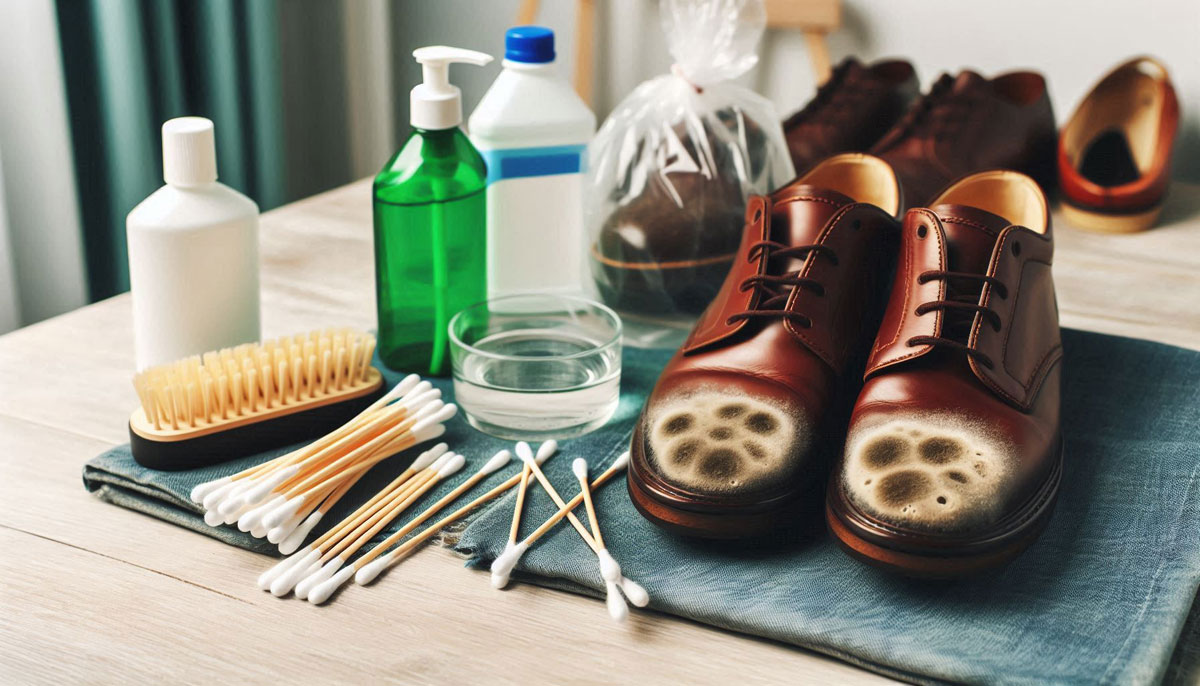
- Regular cleaning with soft brushes and specialized products.
- Storing shoes in original boxes or special bags to prevent deformation.
- Using shoe trees to maintain the shape of shoes.
Conclusion
Shoe repair is not only a way to save money, but also a conscious step towards the environment. Instead of throwing away shoes, it is worth considering the possibility of restoring them, especially if we are talking about a high-quality or favorite pair.In some cases, you can handle the repair yourself, but in case of complex damage, it is better to entrust the work to professionals. Proper care of shoes after repair will extend their life for many years.