Shoe lining is an important detail, without which it will be uncomfortable

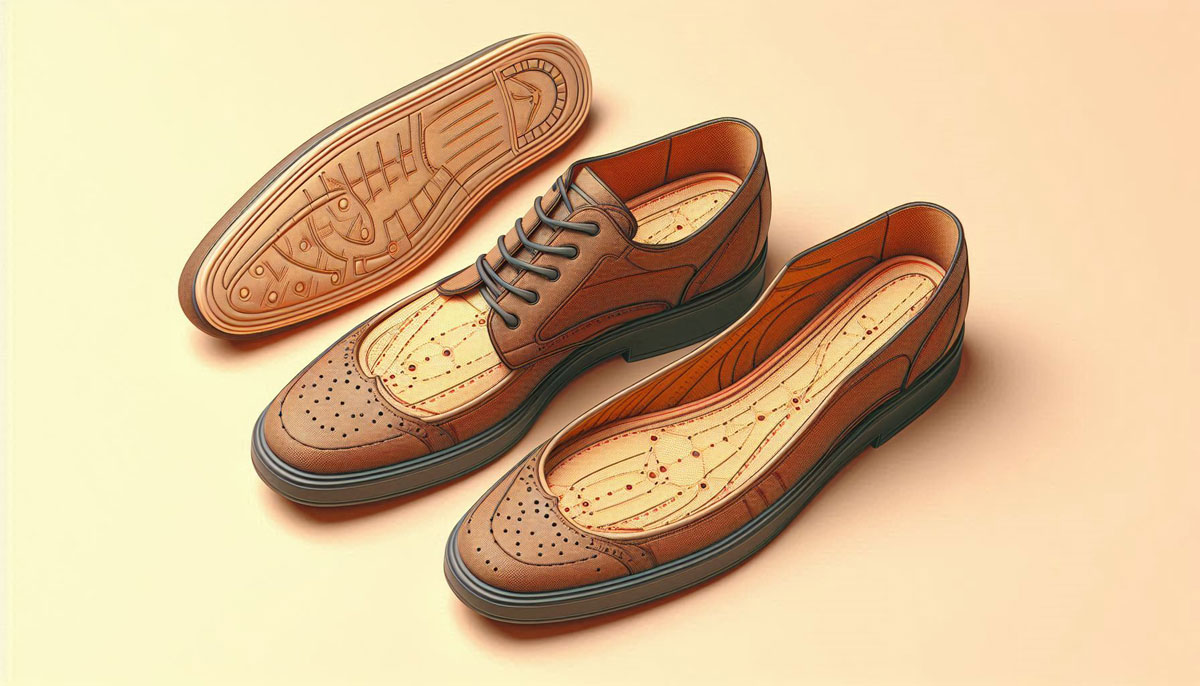
Shoe lining is an important detail that many people do not think about when choosing and using shoes. However, the quality and type of lining determines not only the comfort of walking, but also the durability of the shoes. In this article, we will consider in detail what a lining is, its functions, types and materials from which it is made, as well as tips for choosing and caring for shoes with a high-quality lining.
What is a shoe lining?
 Prostilka is an internal part of the shoe, located under the main insole. Its main function is to fill the empty space between the insole and the sole, which allows for additional comfort when walking. The liner also plays a key role in cushioning, making the sole springy and stable, which is especially important when wearing shoes for a long time.
The role of the liner in winter shoes
In winter, our feet need special protection from the cold, and this is where high-quality liner comes to the rescue. It acts as a heat-insulating barrier, preventing cold from penetrating from the sole. This is especially true for shoes with rubber soles, which do not retain heat well. In such cases, a lining made of felt or other heat-insulating material significantly increases comfort and protects feet from the cold.
Types of Lining Materials
Lingering can be made from a variety of materials, each with its own advantages:
- Felt is one of the most popular materials for winter footwear, due to its ability to retain heat and resist cold.
- Polyurethane foam is a material with good cushioning properties, often used in sports shoes.
- Cardboard is a cheaper option used in casual shoes, but it is less durable and does not retain heat well.
- Leather is a high-quality material that provides durability and comfort, but requires special care.
Lingering in sports and casual shoes
In sports shoes, the lining plays an important role in cushioning and preventing injuries. It should be elastic and flexible to support the foot during active movements. In everyday shoes, on the contrary, the lining should provide comfort during long-term wear and good thermal insulation.
The effect of lining on shoe durability
A high-quality lining not only makes shoes comfortable, but also increases their service life. It protects the insole and sole from premature wear, and also helps to properly distribute the load on the foot. This is especially important for people who spend a lot of time on their feet or suffer from flat feet.
Tips for caring for shoes with lining
To ensure that your shoes with linings last as long as possible, you should follow some recommendations:
- Regularly ventilate your shoes — this will help prevent unpleasant odors and extend the life of the lining.
- Use special care products — for example, water-repellent sprays that will protect the lining from moisture.
- Change the linings as they wear out — this will help maintain the comfort and hygiene of your shoes.
Conclusion
The lining is not just an additional element of the shoe, but an important detail on which your comfort and the health of your feet depend. When choosing shoes, be sure to pay attention to the material and quality of the lining, and also take proper care of it so that your shoes serve you for a long time and bring you joy with every step.
The history of the development of the prostilka in the shoe industry
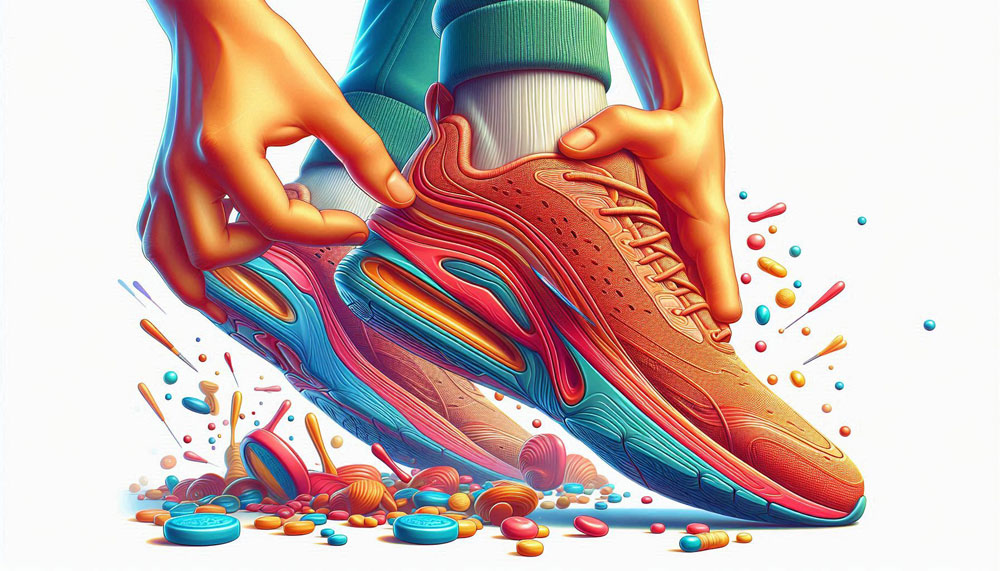
The prostilka as an element of footwear did not appear immediately. At the beginning of shoe production, the main emphasis was placed on the materials and strength of the sole, but over time, there was a need to increase comfort. The first prostilkas appeared as an additional layer between the sole and the insole to soften impacts and reduce the load on the feet. With the development of technology, prostilkas became more complex and began to perform additional functions, such as cushioning and thermal insulation.
Modern technologies for the production of foot pads
Today’s foot pads are created using advanced technologies, which improves their functionality and durability. Modern materials such as polyurethane foam, foamed plastics and innovative textile materials are used to create lightweight and durable foot pads. Some manufacturers use multi-layer constructions that combine different materials to achieve the best shock-absorbing and insulating properties.
Recommendations for choosing shoes with high-quality foot pads for different seasons
Choosing shoes with high-quality foot pads is important depending on the season. In summer, breathable foot pads such as leather or textile are preferable, allowing the feet to “breathe” and preventing overheating. For winter, it is better to choose shoes with a felt or other insulating material that effectively retains heat and does not let in the cold.
The Impact of Liners on Foot Health
Lingers have a significant impact on foot health, especially if the shoes are worn for a long time. High-quality linings help distribute the load on the foot correctly, which reduces the risk of developing problems such as flat feet, corns and calluses. They also help reduce the load on the joints and spine, preventing pain and fatigue in the legs.
Types of Liners Depending on the Type of Shoes
There are different types of linings depending on the purpose of the shoes:
- For casual shoes: the lining usually performs a shock-absorbing function and is made of cardboard or textile materials.
- For sports shoes: the lining should provide increased cushioning and be made of light and elastic materials.
- For winter shoes: felt or fur linings are used to provide thermal insulation.
Combination linings
Some manufacturers offer combination linings, which include layers of different materials to achieve maximum efficiency. For example, a leather upper lining can be combined with a soft polyurethane foam layer for cushioning, while a felt lining will provide thermal insulation.
Tips for replacing and caring for shoe liners
Like other shoe elements, shoe liners require replacement and care. It is recommended to replace the shoe liners when signs of wear appear, such as loss of shape, tears, or deterioration of cushioning properties. Caring for shoe liners includes regular drying, especially in winter, and using special products to protect against moisture and dirt.
Shoe Liner as a Shoe Design Element
In some shoe models, the shoe liners become not only a functional but also a design element. Manufacturers use various materials, colors, and textures to give shoes a unique style and increase their appeal to buyers. Liners can be decorated with logos, patterns, and other decorative elements, making them a noticeable element of the shoe’s interior design.