Shoe heels: what are they and how to choose?


Shoe heels are small parts that are installed on the sole of the heel and are designed to protect it from wear. These small but important elements extend the life of the shoe, ensure its stability and prevent damage to the heel itself. In this article, we will tell you what types of heels there are, what to pay attention to when replacing them and how to extend their life.
Shoe heels: main types
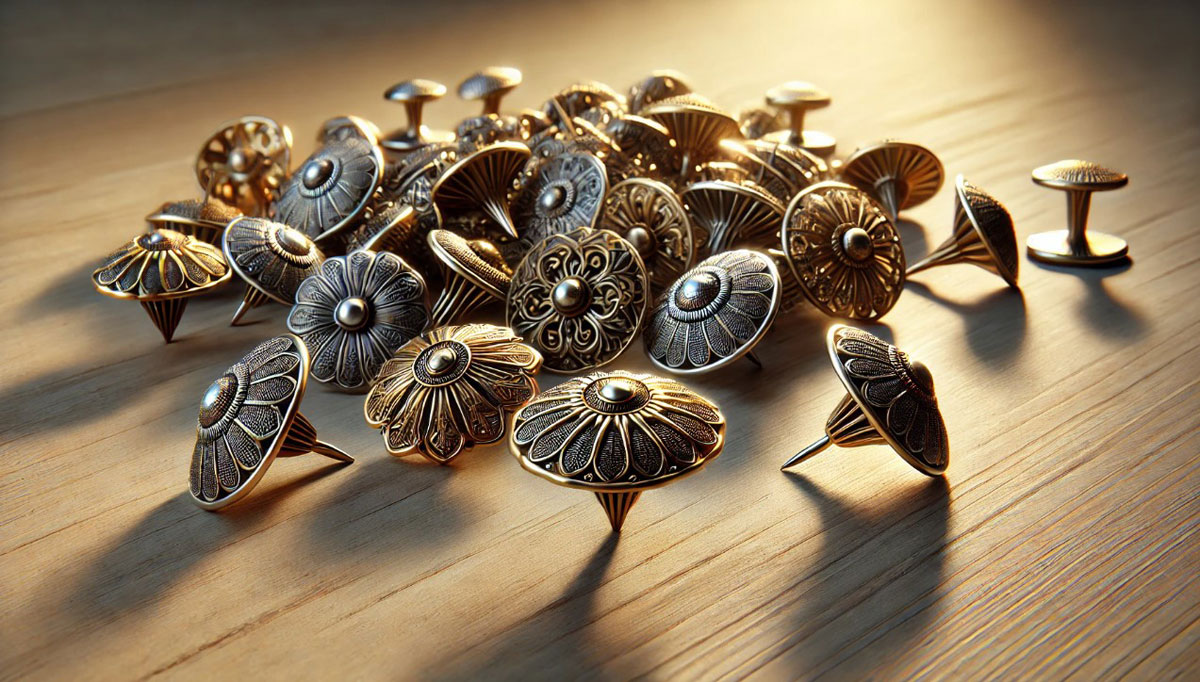
There are many types of heels on the market, which differ in material, shape and application. The main types of heels:
- Rubber heels. The most common type of heels. They provide good grip and stability. These heels are recommended for everyday shoes, as they are wear-resistant and provide additional cushioning.
- Plastic heels. Most often installed on inexpensive shoes. They are less durable than rubber or metal ones, and wear out quickly. However, they are lightweight and suitable for everyday wear.
- Metal heels. These heels are made of metal, most often steel. They are very durable, but can be slippery on smooth surfaces. They are chosen for shoes with high heels, especially stilettos, to extend the life of the heels.
- Polyurethane heels. These heels are made of polyurethane, a durable, flexible and wear-resistant material.Polyurethane heels are popular due to their durability and ability to withstand various mechanical loads. They provide good grip and cushioning, making them a great choice for casual and business shoes. Polyurethane heels are also highly resistant to water and aggressive chemicals, making them ideal for urban environments.
- Combination heels. This type is a combination of different materials, such as rubber and metal, to combine the benefits of both. They provide both grip and durability.
Importance of heel material
Heel material is the main factor that affects its durability and comfort of wearing shoes. For example, plastic heels are suitable for inexpensive shoes, but they wear out quickly. Rubber heels are more durable and stable, and metal heels are especially relevant for high heels, as they prevent rapid wear of the stilettos.
When should you change the heels on your shoes?
It is recommended to replace the heels as soon as you notice wear on the heel or the appearance of an unpleasant squeak when walking. If you do not replace the heels in time, you can damage the heel, which will lead to more complex and expensive repairs. The frequency of replacing the heels depends on how often the shoes are worn, what surfaces you walk on and how correctly the heel material is selected.
- Everyday Shoes. If your shoes are worn every day, especially on asphalt or tiles, the heels may wear out faster. On average, it is recommended to replace them every 3-6 months.
- Special Occasion Shoes. If your stiletto or heeled shoes are only worn for rare events, the heels may last longer, but you should still check them periodically.
Signs of Heel Wear
- Surface Wear. When the heels start to wear out and scratches appear on the heel, it is time to replace them.
- Squeaking and Instability. If your shoes start to squeak or become less stable, this also indicates that the heels need to be replaced.
- Heel Deformation. If the heel cap is worn to such an extent that the heel itself begins to deform, then urgent repairs are required.
Replacing the heels: how to do it?
You can replace the heels yourself or entrust them to a professional. Here are a few steps for self-replacement:
- Preparation. First, you need to remove the old heel cap with a knife or pliers. Be careful not to damage the heel itself.
- Installing a new heel cap. Choose a heel cap of the right size and material. Align it with the heel and secure it with special glue or screws.
- Final check. Make sure the heel cap is securely fastened and the shoe is stable when walking.
Benefits of contacting a professional
If you are not confident in your abilities, it is better to entrust the replacement of heels to a master. Professional shoemakers will be able not only to replace the heels, but also to assess the condition of the shoe as a whole, offering a comprehensive repair. In addition, the masters use special tools and materials, which guarantees a high-quality result.
How to extend the life of heels?
To make the heels on your shoes last longer, follow these simple recommendations:
- Avoid wet surfaces. Rubber and plastic heels can wear out quickly with constant contact with water, so try to avoid wet surfaces.
- Change the heels in a timely manner. Do not wait until the heels are completely worn out. Regular inspection and timely replacement will extend the life of your shoes.
- Use additional shoe pads. Special protective pads on the sole will help reduce wear on the heels and extend the life of your heels.
Which heels should you choose for different types of shoes?
The choice of heels depends on the type of shoe. For example:
- For high-heeled shoes, metal heels are recommended, which will ensure maximum durability and stability of the heels.
- For sports shoes, rubber heels are best, which provide good grip and cushioning.
- For casual shoes, you can choose combined heels, which combine the advantages of several materials.
If you have encountered problems with quickly replacing heels or you have your own experience using different types of heels, share it in the comments. This will help other users choose the right heels and extend the life of their shoes.