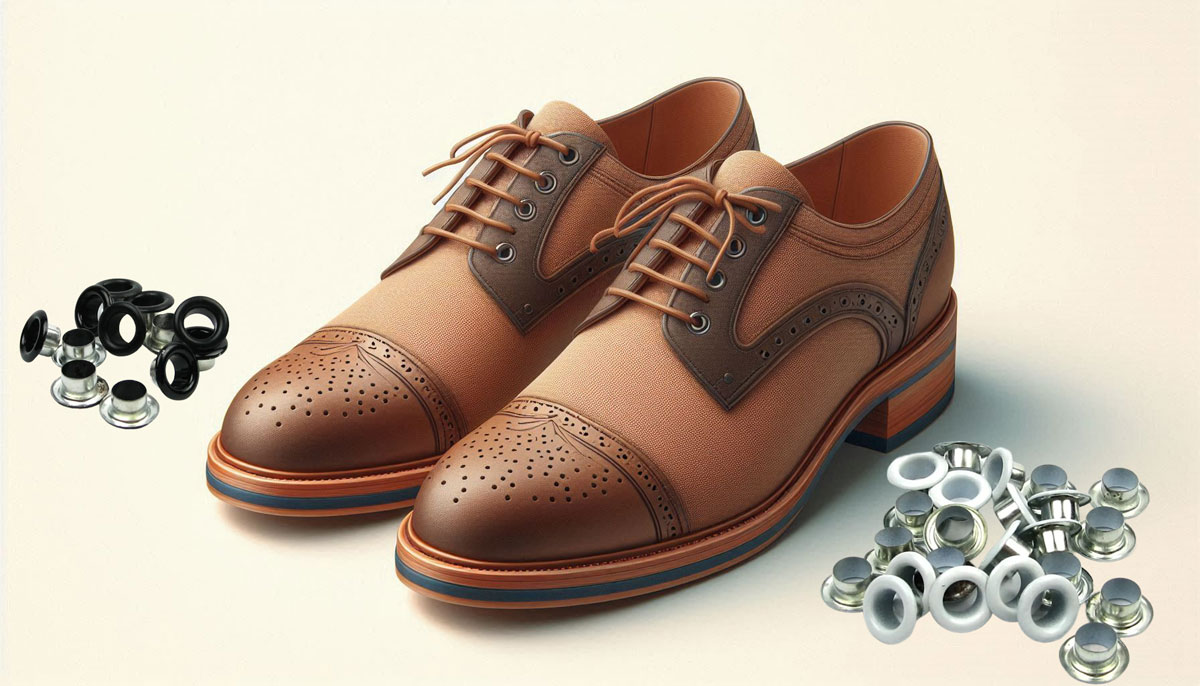
Shoe cuff and soft edging: Comfort and protection for your feet

When we talk about shoes, we usually think about the sole, heel, upper materials, but we often forget about other equally important elements – the shoe cuff and soft edge. These shoe parts play a significant role in providing comfort, protection and durability of shoes. In this article, we will analyze in detail what a shoe cuff and soft edge are, their functions and varieties.
What is a shoe cuff?
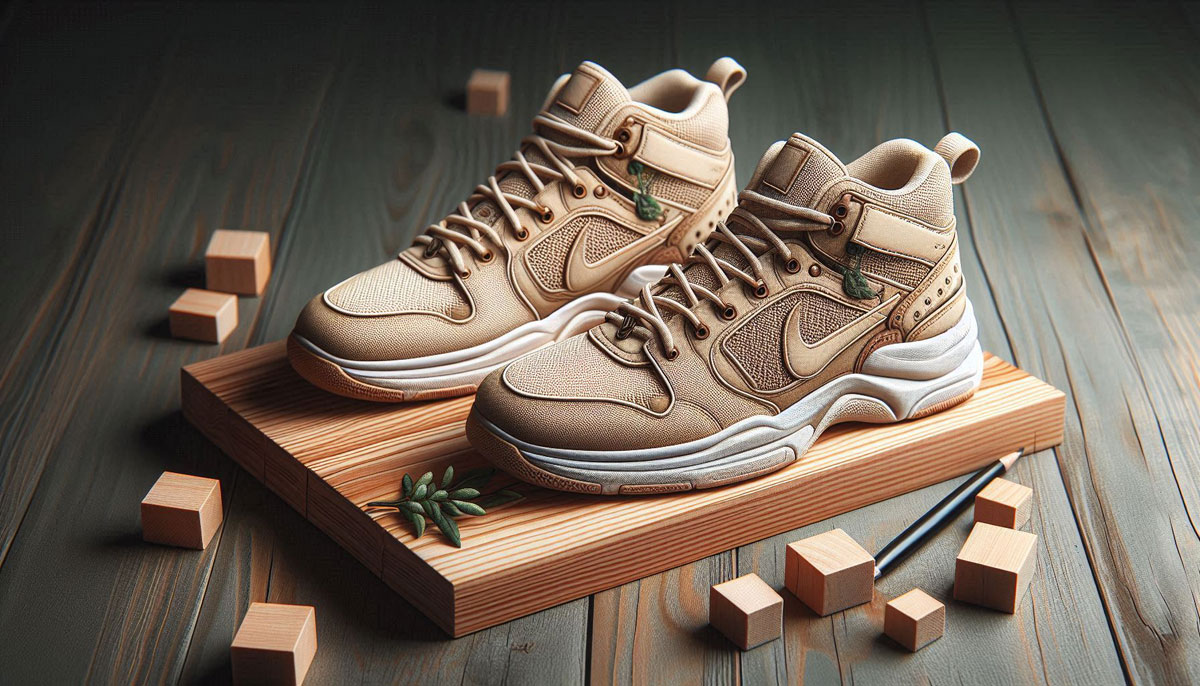
A shoe cuff is a soft or padded part of a shoe that covers the upper part of the boot shaft, directly touching the foot. It is used in both sports and casual shoes to improve comfort and prevent friction and skin irritation.
History of the Cuff and Soft Piping
The history of the cuff and soft piping goes back to ancient times, when shoes not only served a protective function, but also demonstrated the status of the owner.
Origin of the Cuff
Cuffs first began to appear on military boots in the Middle Ages. They protected soldiers’ feet from damage and chafing, especially during long campaigns. In the 19th century, cuffs began to be used on athletic shoes, and by the 20th century, they had spread to a wider range of shoes, from boots to casual and office shoes.
Soft Piping in Fashion
Soft piping became an important part of footwear thanks to the development of the fashion industry in the early 20th century. With its help, designers achieved an elegant and finished look for shoes, while improving wearing comfort. Soft piping has become especially popular in women’s fashion shoes and boots.
The main functions of the shoe cuff
- Protection against chafing. The shoe cuff softens the contact of the upper part of the shoe with the foot, preventing the appearance of calluses and irritation, especially with prolonged wear.
- Fixation of the foot. The cuffs help to better fix the shoe on the foot, which is especially important for sports models, such as sneakers or boots for active sports.
- Thermal insulation. In winter and demi-season shoes, cuffs often perform the function of thermal insulation, keeping heat inside and protecting against cold penetration.
Types of shoe cuffs
Soft cuffs
Soft cuffs are made of foam, leather, textile or other soft materials. They provide maximum comfort and are widely used in sports shoes.
Padded cuffs
Padded cuffs are found in boots and sneakers that require additional support for the foot. These cuffs are often made of more rigid materials, such as leather or synthetic substitutes, and are designed to prevent injury and improve stability.
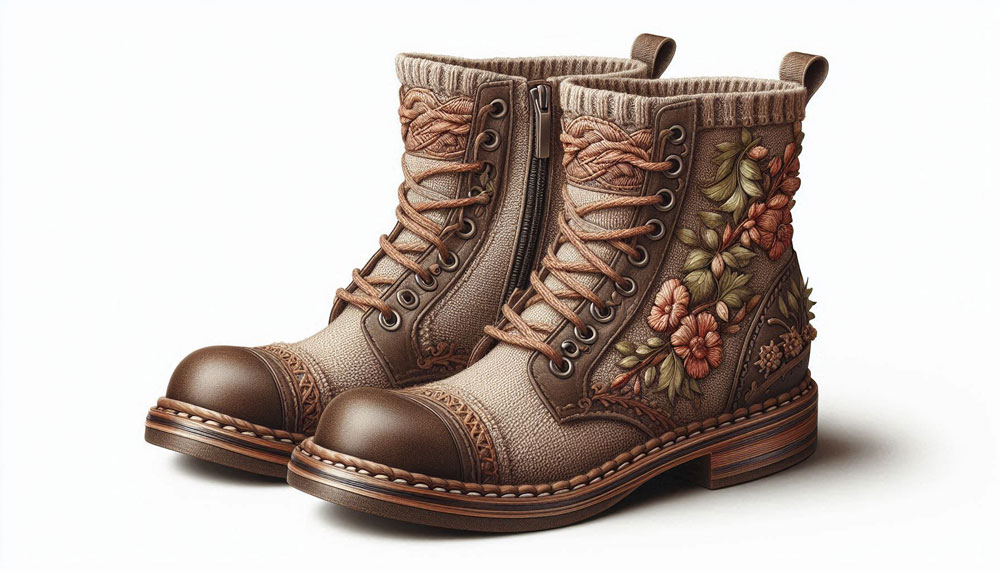
Soft edging: an important detail for comfort
Soft edging is a soft pad or frame that is located along the edge of the upper part of the shoe. The main purpose of the soft edging is to provide additional comfort when wearing shoes.
The main functions of the soft edging
- Cushioning. The soft edging softens the contact of the shoe with the skin, preventing pressure on the foot.
- Protection from penetration. The edging helps prevent small objects (pebbles, dust) from getting inside the shoe, especially in high-top models.
- Decorative element. In addition to functionality, the soft edging can be used for decorative purposes, adding a finished and elegant look to the shoe.
Types of soft edging
Textile edging
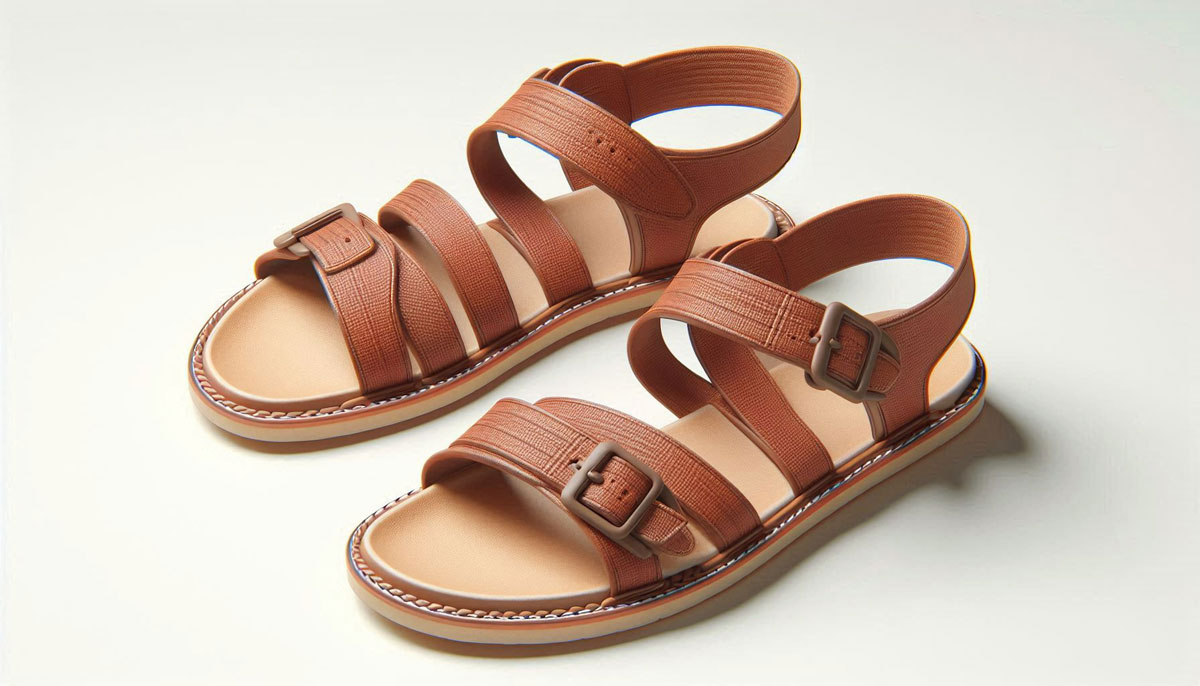
Textile soft edgings are most often used in lightweight sports shoes and sandals. They are very flexible and pleasant to the touch, which makes them ideal for everyday wear.
Leather piping
Leather piping is found in classic and more expensive shoes. It is durable and gives the shoe additional strength and elegance. Leather piping is also most often used in shoes that must withstand intense wear.
Care for the cuff and soft piping
Proper care of the shoe cuff and soft piping allows you to extend the life of the shoe, preserve its appearance and functionality. Here are some simple rules for care:
Cleaning the shoe cuff
- Regular cleaning. Clean the cuff with a damp cloth to remove dust and dirt. It is important to avoid aggressive cleaning agents, especially if the cuff is made of leather or suede.
- Using leather care products. If the cuff is made of leather, it is recommended to use special creams and sprays to protect it from moisture and wear.
- Drying shoes. After being caught in the rain or snow, dry your shoes thoroughly, but do not use heaters to prevent the cuff from deforming or cracking.
Caring for the soft edge
- Careful handling. Avoid strong friction or exposure of the soft edge to aggressive materials to prevent it from losing its shape.
- Using protective products. For textile edges, you can use sprays to protect against water and dirt. For leather edgings – leather care products.
- Storage. Store shoes with soft edgings in a special shoe box or bag to avoid mechanical damage and contamination.
Repair of shoe cuffs and soft edgings
Even with proper care, over time, the shoe cuff or soft edging can wear out. Repair of these parts can be done either independently or in a shoe repair shop.
Repairing the cuff
- Replace a torn cuff. If the cuff is torn or has lost its elasticity, you can replace it in a workshop or yourself using suitable materials.
- Reinforcing the cuff. In order to extend the life of the cuff, you can use protective pads or additional stitching along the edges of the shoe.
Soft edge repair
- Restoring the piping. If the piping has lost its color or shape, you can use restoration products to restore its appearance. Special paint and leather cream are suitable for leather piping.
- Replacing the piping. If the piping is completely worn out, it can be replaced in a workshop, where they will select the appropriate material and carefully sew it up.
Conclusion
The shoe cuff and soft piping are those important, but often unnoticeable elements that ensure comfort, durability and protection of your shoes. Properly selected cuffs and piping prevent chafing, protect the foot from external factors and give the shoe a stylish and finished look. When choosing a new pair of shoes, be sure to pay attention to these elements, as they can significantly increase the comfort and service life of your shoes.