How to Make the Right Choice of Winter Shoes


Winter is the time when it is important to have reliable and warm footwear. Choosing the right winter footwear can be a difficult task, but with our tips you can make the right choice. In this article, we will look at what to pay attention to when choosing winter footwear so that your feet stay warm and dry throughout the season.
Key Takeaways
- Pay attention to shoe materials: natural materials such as leather and suede provide the best warmth and comfort.
- The correct shoe size is very important: consider the sock space and instep features.
- Waterproofing of shoes is a key factor: choose models with additional stitching and gluing.
- The sole should be slip-resistant and flexible to ensure safety and comfort when walking.
- For active recreation, choose specialized shoes that will provide protection from injury and comfort in any conditions.
Materials for winter shoes
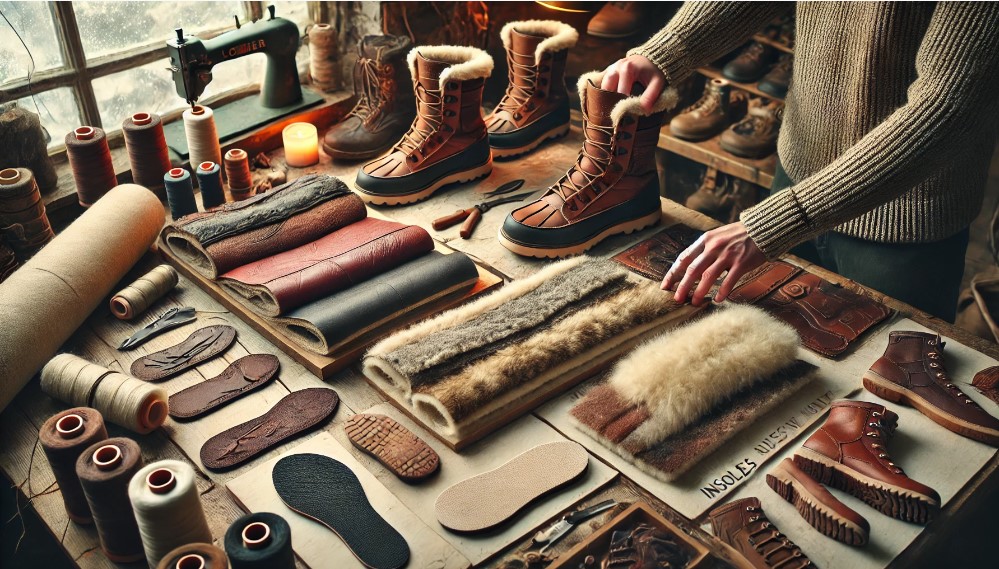
Choosing the materials for your winter shoes is an important step that affects the comfort and durability of your pair. I always pay attention to what the shoes are made of, because this determines how well they will retain heat and protect against moisture.
Leather or Suede: Which is Better?
When it comes to choosing between leather and suede, I always choose leather. It is more resistant to moisture and easier to clean.Suede, although it looks very stylish, needs care and loses its appearance faster under the influence of snow and salt. Leather is a classic that is always in fashion and lasts longer.
Modern synthetic materials
Modern synthetic materials have their advantages. They are lightweight, retain heat well and often have waterproof properties. For example, membrane materials allow the feet to breathe, but do not allow moisture to enter. This is an ideal option for active people who spend a lot of time outdoors.
It is important to remember that synthetic materials may be less durable than natural ones, but they often win due to their functionality.
Advantages of natural materials
Natural materials such as leather and wool will always be a priority for me. They provide natural ventilation and retain heat better. In addition, natural materials are less prone to the appearance of an unpleasant odor, which is a big plus. If you are looking for shoes that will serve you for more than one season, choose natural materials.
How to choose the right size
Choosing the right size of winter shoes is not just a matter of comfort, but also the health of your feet. The wrong size can lead to chafing, calluses and even joint problems. Therefore, it is important to know how to measure your foot correctly and take into account all the nuances.
Measuring your foot
To determine my shoe size, I usually use a simple method. Place a piece of paper on a flat surface, stand on it and trace around your foot, holding the pencil vertically. Then measure the distance between the distant points. It is better to do this procedure in the evening, when your feet swell a little.
Sock allowance
It is usually recommended to choose winter shoes one size larger so that you can put on a thick sock if necessary. This will provide additional comfort and warmth. Do not forget that sock allowance is not just convenience, but also a necessity for winter conditions.
Instep Features
When choosing shoes, it is important to consider the instep features of your foot. If you have a high instep, look for models with adjustable laces or fasteners. This will help avoid pressure on the top of the foot and ensure comfort when walking.
Choosing the right shoe size is an investment in your health and comfort. Don’t skimp on this process, and your feet will thank you.
Protection from moisture and snow
In winter, it is very important that your shoes protect you from moisture and snow. Waterproof shoes will help keep your feet dry and warm, which is the main task of winter shoes. To do this, there are several important aspects that you should pay attention to.
Waterproof materials
One of the best materials for moisture protection is the Gore-Tex membrane. It does not let water and snow inside, but allows your feet to breathe.You can also use special water-repellent sprays that create an invisible film on the surface of the shoe that does not allow moisture to pass through.
Additional stitching and gluing
To avoid getting wet, choose shoes with well-glued and additionally stitched seams. This will provide additional protection from moisture. It is important that the seams are reliable and do not allow water to pass through even during heavy rain or wet snow.
High shaft
Shoes with a high shaft will help protect your feet from snow that may get inside. This is especially important during heavy snowfalls or when you have to walk in deep snow. A high shaft also provides additional support for the ankles, which reduces the risk of injury.
Sole and its properties
Sole materials
When choosing winter shoes, I always pay attention to the soles. Thermoplastic rubber is one of the best options. It does not slip, has good cushioning and high resistance to abrasion. Another excellent material is thermoplastic. Due to its porous-rough structure, it provides excellent thermal insulation and cushioning, which makes it ideal for long winter walks.
Anti-slip properties
To avoid falls on slippery snow or ice, it is important to choose shoes with a sole that has a deep tread. This provides better traction and reduces the risk of injury. The sole should be flexible so that the foot can move naturally while walking.
Flexibility and cushioning
The flexibility of the sole is another important aspect. Shoes with a flexible sole allow the foot to move naturally, which reduces fatigue while walking. Cushioning also plays an important role, especially if you are planning long walks. A sole with good cushioning reduces the load on the joints and provides comfort throughout the day.
Choosing the right sole for winter shoes is the key to your comfort and safety on slippery roads.
Thermal insulation of shoes
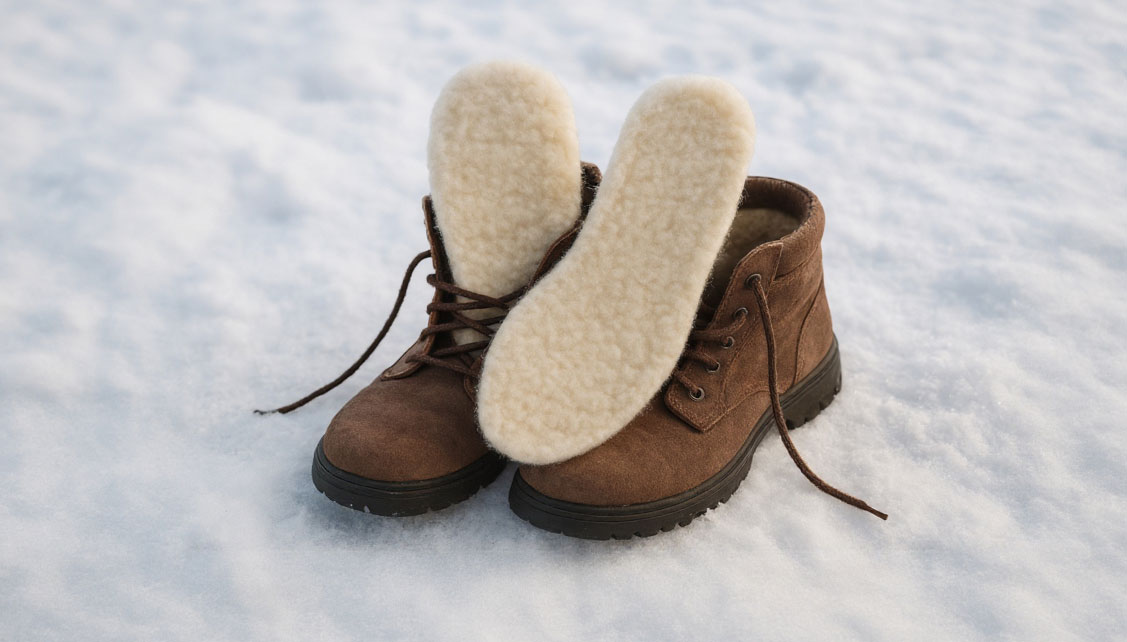
In winter, it is very important that shoes retain heat and do not let in the cold. The first task of a winter pair of shoes is to keep your feet dry and warm. Let’s consider what insulation is used in winter shoes and how they work.
Features of children’s winter shoes
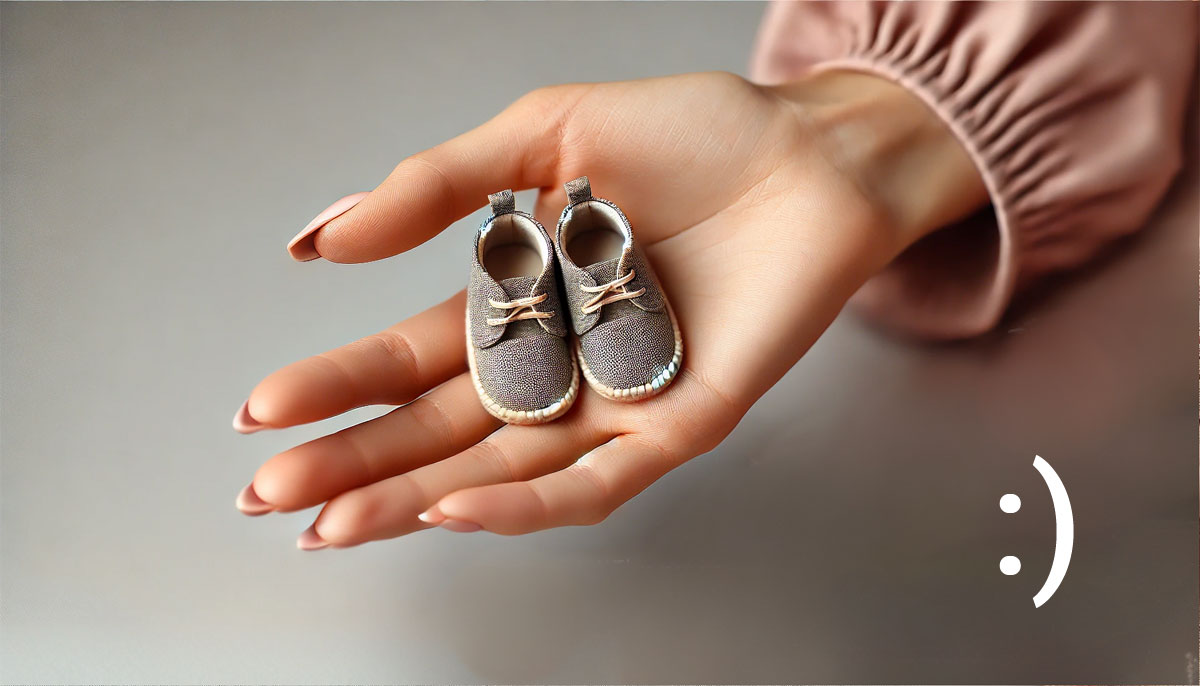
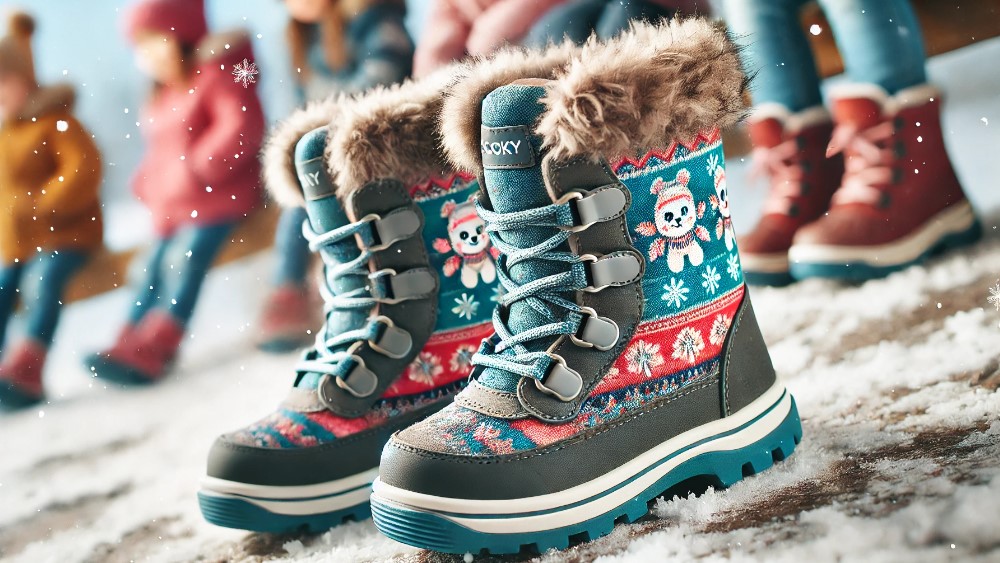
Choosing winter shoes for children is always a challenge. I always pay attention to several important aspects to ensure the comfort and safety of the baby in the cold season. The right size is the first step to success. It is important that the shoes are not too tight or too loose. For such shoes, it is optimal to select a reserve of +0.5 cm if you want the back to be fixed on the heel. Such children’s shoes as flip-flops – at least +1.5 cm.
It is important to remember that children’s feet grow quickly, so you should check the size every few months.
Materials for children’s shoes are also of great importance. I always choose natural materials such as leather or suede, which allow the feet to breathe and provide thermoregulation. Modern synthetic materials can also be a good choice, but it is important to make sure that they do not cause allergies.
Safety and comfort are the two main criteria that I pay attention to.Shoes should have a rigid back for proper distribution of body weight and a small heel to avoid flat feet. It is good when children’s shoes for winter have both a zipper and lacing to adjust the volume of the foot.
Fashion trends in winter shoes
This season, fashionable collections of winter shoes from European brands offer a variety of options that will satisfy even the most demanding fashionistas. High platform ankle boots with heels of a fancy shape or vintage lacing will be an excellent addition to culottes. For those who like to attract attention, universal Chelsea boots with a massive “tractor” sole or stylish loafer boots made of reptile leather are ideal.
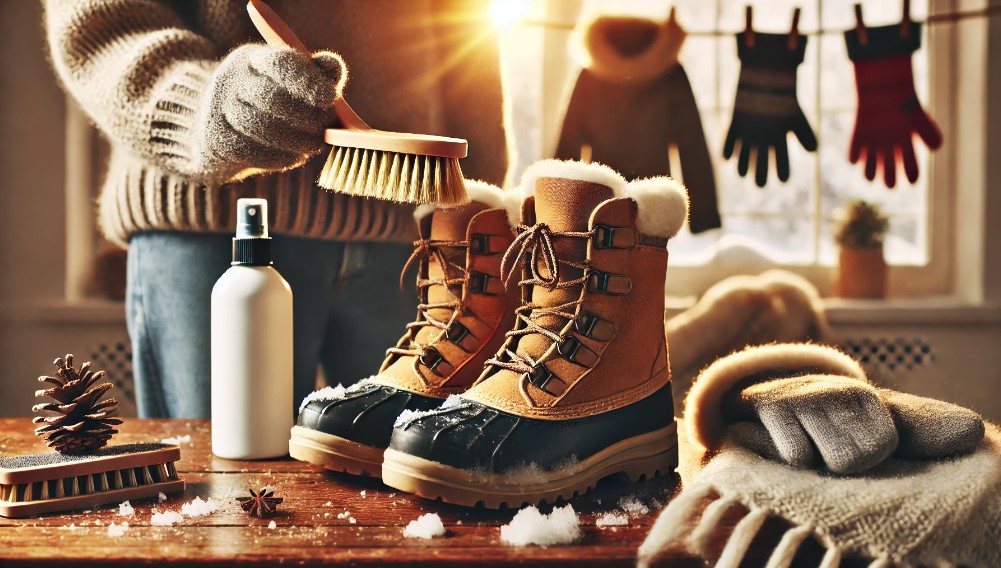
Winter Shoe Care
Taking care of winter shoes is an important part of making them last a long time and look like new. I always start with cleaning and drying. After a walk in the snow or rain, shoes need to be thoroughly dried. For this, I use special dryers or simply stuff the shoes with newspapers that absorb moisture well. It is important not to put the shoes near the radiator so as not to damage the material.
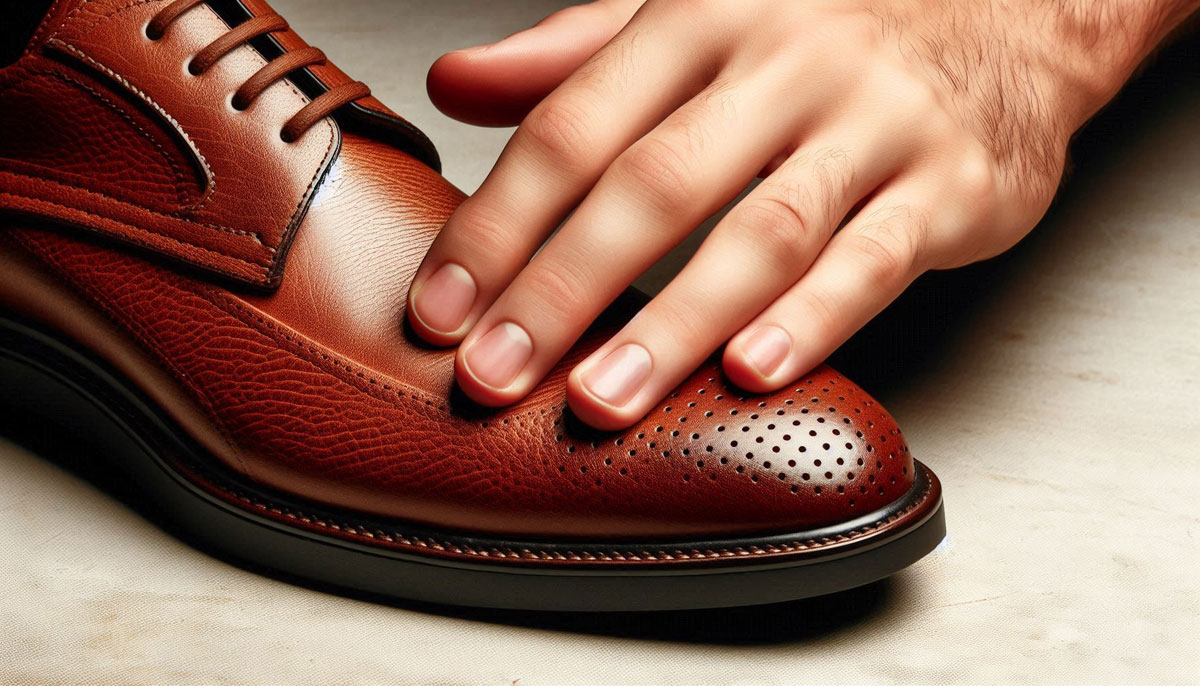
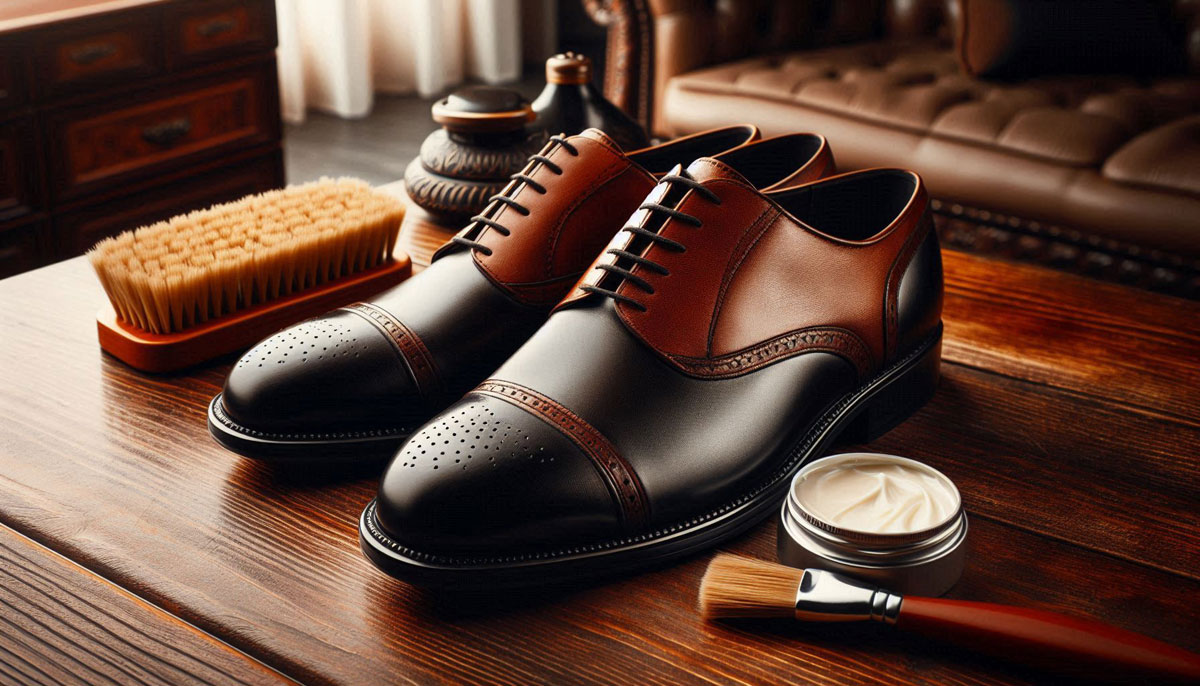
To care for winter shoes made of nubuck, you will need damp sponges or napkins that can remove dirt. You can also use water with ammonia for deeper cleaning. If the shoes are leather, then I use special creams and waxes that not only clean, but also protect against moisture.
Cleaning and drying
After each walk, I always clean my shoes from dirt and snow. For this, I use a soft brush or a damp sponge. If the shoes are very dirty, you can rinse them under running water, but dry them quickly to avoid deformation.
Care products
I always have several shoe care products on hand. These can be creams, sprays or waxes. They help keep the material soft and protect against moisture. For nubuck and suede, I use special sprays that restore the color and structure of the material.
Shoe storage
When the season ends, I thoroughly clean the shoes, treat them with care products and store them in a dry place. It is important that the shoes are not compressed, so I use special shoe trees or simply stuff them with paper. This helps to maintain the shape and avoid cracks.
Shoe repair is also an important aspect of care.If I notice that the sole has started to come off or there is other damage, I immediately take the shoes to a specialist. This helps to extend the life of my favorite pair and preserve its appearance.
How to choose shoes for outdoor activities
When I choose shoes for outdoor activities, I always pay attention to several important aspects. The right choice of shoes can make your adventures comfortable and safe.
Shoes for winter sports
For winter sports such as skiing or snowboarding, it is important to have specialized shoes. They should not only be warm, but also provide good fixation of the foot. Usually, such shoes have a rigid construction and additional straps for better support.
Features of hiking shoes
Hiking shoes for winter hikes should be waterproof and have good thermal insulation. It is important that they are comfortable for long hiking routes. I always choose shoes with a membrane that allows the feet to breathe, but does not let moisture through.
Remember that the comfort of the feet is provided by the anatomical shape of the boot at the instep and along the insole.
Protection from injuries
Active recreation in winter can be dangerous, so it is important to choose shoes that provide protection from injuries. This can be additional stitching, gluing and a reinforced sole. Also pay attention to the height of the boot shaft to protect your feet from snow and moisture.
Choosing Winter Shoes for Different Weather Conditions
When it comes to choosing winter shoes, it is important to consider different weather conditions. The right choice of footwear will help you stay warm and comfortable, no matter what the weather is like outside.
Where to Buy Winter Shoes
When winter comes, it is important to have quality warm shoes. But where to buy them? I always start with online stores. It is convenient, fast and you can often find good discounts. In Ukraine, there are many options where you can find women’s winter and autumn shoes, for example, in the online store Intertop. There are many products of this type, so use the search filters and sorting functions to find the perfect pair.
Conclusion
So, choosing winter shoes is not as simple as it may seem at first glance. It is important to consider many factors: from the weather conditions of your region to the characteristics of your foot. Remember that quality shoes will not only protect you from the cold and moisture, but will also provide comfort and safety during winter walks. Do not rush with the choice, devote enough time and attention to this process. And may your winter adventures be warm and pleasant!
Frequently asked questions
What materials are best for winter shoes?
The best materials for winter shoes are genuine leather and suede. They retain heat well and protect from moisture.
How to measure your foot correctly to choose the size?
Measure your foot in the afternoon, when your feet swell a little.Trace the outline of your foot on paper and measure the length and width.
Should I buy winter shoes one size larger?
Yes, it is recommended to buy shoes one size larger to take into account the thickness of the winter sock and to ensure air circulation.
How to protect shoes from moisture?
Choose shoes made of waterproof materials and with additional stitching and gluing. Use special sprays to protect against moisture.
What soles are best for winter shoes?
The best soles for winter are those that have anti-slip properties, good cushioning and flexibility.
Should I buy shoes with a high shaft?
So, a high shaft protects from snow and moisture, and also additionally insulates the feet.
How to care for winter shoes?
Regularly clean your shoes from dirt and snow, dry them naturally and use care products such as creams and sprays.
Where is the best place to buy winter shoes?
You can buy winter shoes both online and in stores. The main thing is to pay attention to the store’s reputation and guarantees.