Main insole for shoes: what is it, types, materials and care

When we talk about shoe insoles, we most often imagine a thin lining inside the shoe. However, we rarely think about the fact that there are two different types of insoles: the main insole and the insert. The main insole is an important element of the shoe design, playing a key role in its durability and comfort. In this article, we will consider the types and materials of the main insoles, their functions, as well as important aspects of selection and care.
Main functions and importance of the main insole
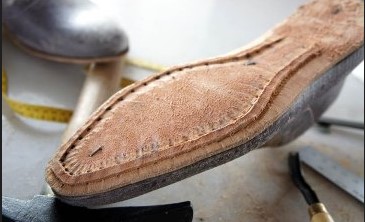 The main insole is not just the inner part of the shoe that is under the foot. Its role is much broader and more important. It ensures the structural integrity of the shoe, being the base to which the upper part and the sole are attached. The durability of the shoe and its ability to retain its shape during long-term wear directly depend on the quality of the main insole. Strong bending, compression, exposure to sweat and friction are all factors that the insole must withstand throughout the life of the shoe.
Materials from which the main insoles are made
Various materials are used to produce the main insoles, each of which has its own advantages and disadvantages. The choice of material depends on the type of shoe, its purpose and expected service life.
Leather rigid insoles
Leather rigid insoles are made of genuine leather, processed in a special way.This type of insole is used in luxury brand shoes, as well as in shoes designed for difficult conditions, such as special shoes, military boots, and hiking boots. The leather used for insoles is thicker than the leather used for the upper of the shoe, which ensures its durability and ability to withstand heavy loads. Leather insoles also have excellent breathability, which promotes natural ventilation inside the shoe, preventing excessive sweating and unpleasant odors.
Cardboard Insoles: Leather Cardboard and Insole Cardboards
Cardboard insoles, such as leather cardboard and insole cardboards, are made from pressed cardboard, which contains leather shavings, plant fibers, and textile waste. These materials are more affordable than leather and are widely used in mass shoe production. Leather cardboard is stronger and more resistant to bending than regular insole cardboards, but both types of material are less durable than genuine leather. They can be subject to deformation when exposed to moisture for a long time, so such insoles require additional protection in the form of insoles.
Combined insoles
Combined insoles consist of several layers of different materials, such as leather and special artificial material or special cardboard. Such insoles allow shoe manufacturers to combine the advantages of different materials, providing a balance between durability and cost-effectiveness.Combined insoles are often used in mid-range shoes, where it is important to maintain a reasonable price while maintaining comfort and durability.
The Impact of Materials on Shoe Quality and Durability
The choice of material for the main insole has a direct impact on the quality and durability of shoes. Genuine leather provides a high level of comfort and durability, but has a higher cost. Cardboard and combined insoles reduce production costs, but may require replacement with intensive use.
Leather vs. Cardboard: Which One to Choose?
When it comes to choosing shoes, it is important to consider that a genuine leather insole will handle the load better and provide more comfort than a cardboard insole. However, shoes with cardboard insoles can be a perfectly suitable choice for everyday use in conditions that do not require increased strength and durability.
Economic Aspects of Insole Production
Shoe manufacturers often use combined insoles to reduce material costs, which allows them to create shoes with an affordable price. At the same time, combined insoles can include cheaper components, such as artificial materials, to increase the profitability of production.
How to Choose Shoes with a Quality Insole
What to Look for When Buying Shoes
When choosing shoes, it is important to pay attention to the material of the main insole. High-quality leather or combined materials with a high leather content will ensure a long service life of the shoes. Insoles made of cardboard or completely artificial materials may be less durable and wear out faster. If the shoes are intended for intensive use or special conditions, it is worth giving preference to models with leather insoles.
The Importance of Correct Insole Fit
An equally important aspect is the correct fit of the insole in the shoe. The insole should fit tightly to the sole and not shift when walking.This is especially important for shoes with intensive use, where any displacement of the insole can lead to discomfort and even injury.
Caring for shoes with a leather insole
In order for the leather insole to last as long as possible, it must be properly cared for. Regular cleaning and the use of special leather products will help maintain its elasticity and prevent cracks. It is also important not to allow the insole to come into contact with water, as this can lead to its deformation.
Features of caring for the main insoles made of different materials
Caring for the main insole depends on the material from which it is made. Leather insoles require regular care using special products, while cardboard and combination insoles need protection from moisture and damage.
Cleaning and caring for leather insoles
Leather insoles require careful care to maintain their properties. It is recommended to regularly wipe them with a damp cloth and treat them with special leather care products. Such procedures will help prevent the leather from drying out and cracking, maintaining its elasticity and durability.
Protecting cardboard and combination insoles
Cardboard and combination insoles are more vulnerable to moisture and dirt. To protect them, it is recommended to use moisture-protective sprays and regularly check the condition of the insoles. If the insole gets wet, dry the shoes as quickly as possible to avoid deformation.
Replacing worn insoles
Even with careful care, insoles can wear out over time. It is important to replace worn insoles in a timely manner to maintain comfort and protection for your feet. For replacement, it is best to choose insoles made of similar or higher quality materials. Only a shoe repairman can replace the main insoles, so you will have to go to a workshop.
The Impact of the Main Insole on Foot Health
The insole, being the main element of the shoe design, plays an important role not only in the durability of the shoe, but also in maintaining the health of the feet. The right choice of insole can prevent many problems, such as flat feet, joint pain and foot fatigue.
Impact on Posture and Load Distribution
The main insole helps to properly distribute the load on the foot, which is important for maintaining posture and spinal health. A high-quality insole helps reduce pressure on the joints and reduce fatigue when wearing shoes for a long time.
Risks of Using Shoes with Low-Quality Insoles
Shoes with low-quality insoles can lead to the development of various health problems, such as flat feet, calluses and other foot deformities. Therefore, it is important to choose shoes with high-quality insoles and, if necessary, use orthotic inserts for additional support.
Conclusion
The main insole of a shoe is a key element that affects the comfort, durability and health of your feet. Choosing the right material and caring for the insoles will help keep your shoes in excellent condition for a long time, as well as provide comfort and protection for your feet. Regardless