Desmokol glue(Dysmacol): Application, Instructions and Features

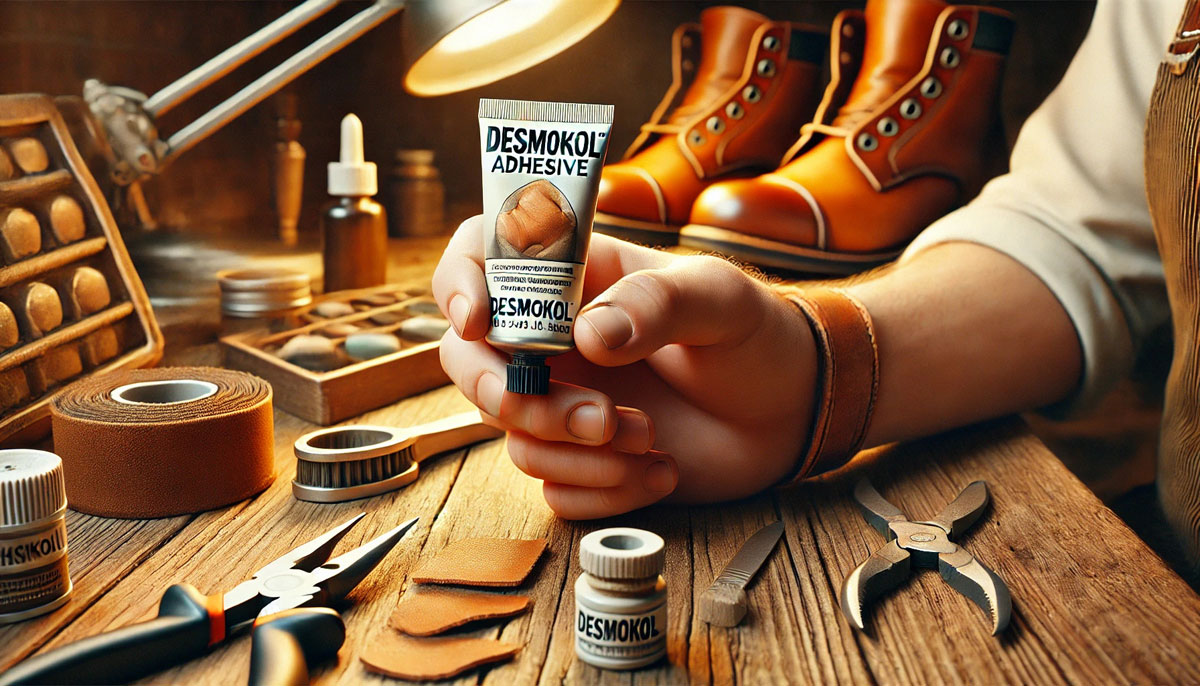
Desmokol glue is a polyurethane glue that is distinguished by its versatility and durability. It is ideal for repairing shoes and other products made of various materials, such as leather, rubber, plastic and fabric. The main feature of the glue is its ability to retain elasticity after drying, which is especially important for items subject to bending or stretching loads. In addition, Desmokol dries quickly, which allows for effective repair work in a short time.
Advantages and features of Desmokol
One of the main advantages of the glue is its drying speed: after 10-15 minutes after application, the glue is ready for use. This makes it an excellent choice for both professionals and home craftsmen. However, it is important to consider that before gluing, the glue should be heated to 80 degrees to activate its properties. The glued parts will be ready for use in a day.
Shoemakers working in workshops prefer to buy glue in large jars of at least a liter. This is more practical and economical than buying small tubes on the market, which are usually only suitable for minor repairs. Large volumes of glue are most often analogues of foreign-made Desmokol, differing in name, but not in action.
Buying a large amount of glue for home use may be irrational, since over time it dries out if not used immediately.
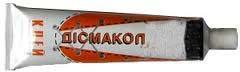 In the markets, you will most likely find glue in small tubes, similar to these.
This is enough for you to make a small repair.
Using Desmokol glue: where and how to use it?
Desmokol can be considered a universal repair tool for various products, especially shoes. It is suitable for gluing soles to the upper, rubber and plastic parts, as well as leather and fabric elements. Due to its strength and elasticity, the glue is successfully used to repair products subject to constant mechanical stress.
How to use Desmokol glue correctly?
To achieve maximum strength of the connection, follow several important recommendations:
- Cleaning the surface. Make sure the surfaces you are going to glue are free of dirt, dust and grease.
- Sanding. Use coarse sandpaper to create a rough surface, which will improve adhesion.
- Applying the glue. Apply glue to both surfaces and let it dry for 10-15 minutes.
- Heating the glue. Once dry, activate the glue by heating it to 80 degrees with a hair dryer or electric hotplate.
- Gluing the parts together. Apply force to firmly connect the parts. Use a screwdriver and other tools for additional pressure.
 When using Demokol, keep in mind that it dries quickly.
In almost 10-15 minutes, it dries completely and you can start gluing the shoe parts.
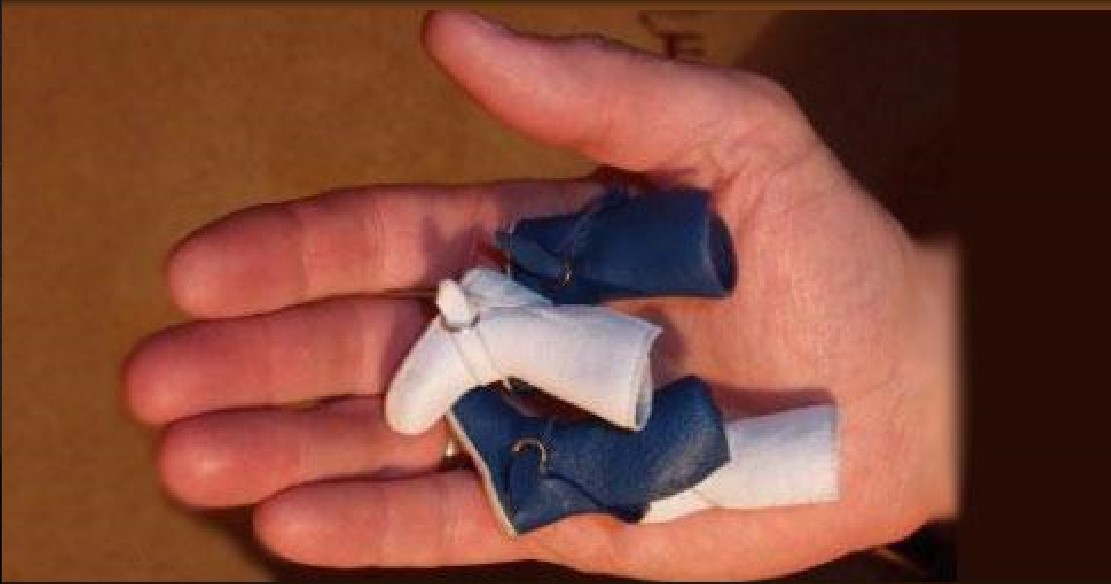
For clarity, I have posted a photo.
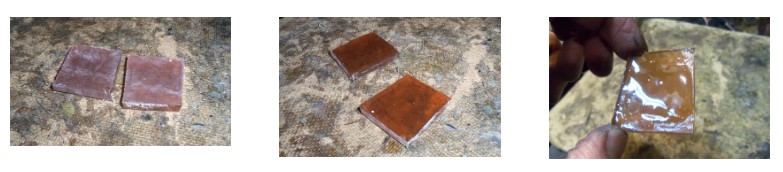
As you can see, after a while, even when touched, it does not stick to your finger.
Please note that after drying, the Demokol glue becomes similar to polyethylene.
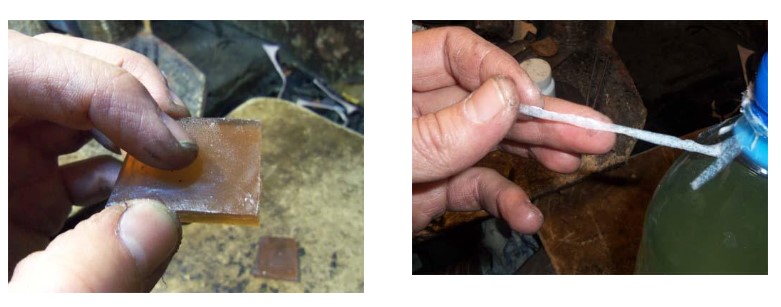
It would seem that this is where I can finish my description.
But there are some points when gluing with desmokol glue that require additional explanation.
Important points when working with Desmokol
Despite the ease of use, there are a few subtleties that will help you achieve the best result:
- The glue must be completely dry or almost dry before gluing. Make sure it does not stick to your finger.
- Be careful when heating with an open flame. Since the glue is dissolved by acetone, this makes it flammable when in contact with fire.
- Do not use additional objects to press the parts after gluing – normal pressure with your hands or tools is enough.
Advantages of using Desmocol
- Strength and elasticity. This glue can withstand high loads, which makes it ideal for repairing items that are subject to frequent deformations (such as shoes).
- Versatility. It is suitable for various materials such as leather, fabric, plastic and rubber.
- Quick drying. The glue is ready for use 10-15 minutes after application, which saves time during repairs.
- Durability of the connection. The glued products can be used 24 hours after repair.
When should Desmokol glue not be used?
Despite its versatility, Desmokol is not always suitable for all types of materials. For example, it is not recommended for gluing metals or glass. Sometimes you cannot use Desmokol when gluing leatherette, as it can corrode it. In such cases, it is better to use specialized adhesives with other chemical properties.
It is important to understand that each material has its own type of glue and using the wrong product can lead to insufficient bond strength or even damage to the product.
Recommendations for storing glue and safety
Desmokol glue needs to be stored correctly, especially if you bought it in large quantities. Store the glue in a tightly closed container, away from heat sources and direct sunlight to prevent it from drying out. Due to the fact that Desmokol contains acetone, be careful with open fire when using it, as the glue is highly flammable.
Important tips for working with glue
- Make sure that the glue does not stick to your fingers before you start gluing.
- Do not use an open flame for heating, as this may cause a fire.
- After gluing, no additional pressure with clamps is required – just press the parts together.
Conclusion
Desmokol glue is an indispensable assistant in repairing shoes and other products. It provides a strong and elastic connection of materials, resistant to stretching and bending, which makes it an excellent choice for home craftsmen and professionals. If you follow the instructions for use, the gluing results will be high-quality and durable.
Follow new articles, where I will talk about other types of glue and give detailed instructions for their use.
I would be grateful if you share this article on social networks.