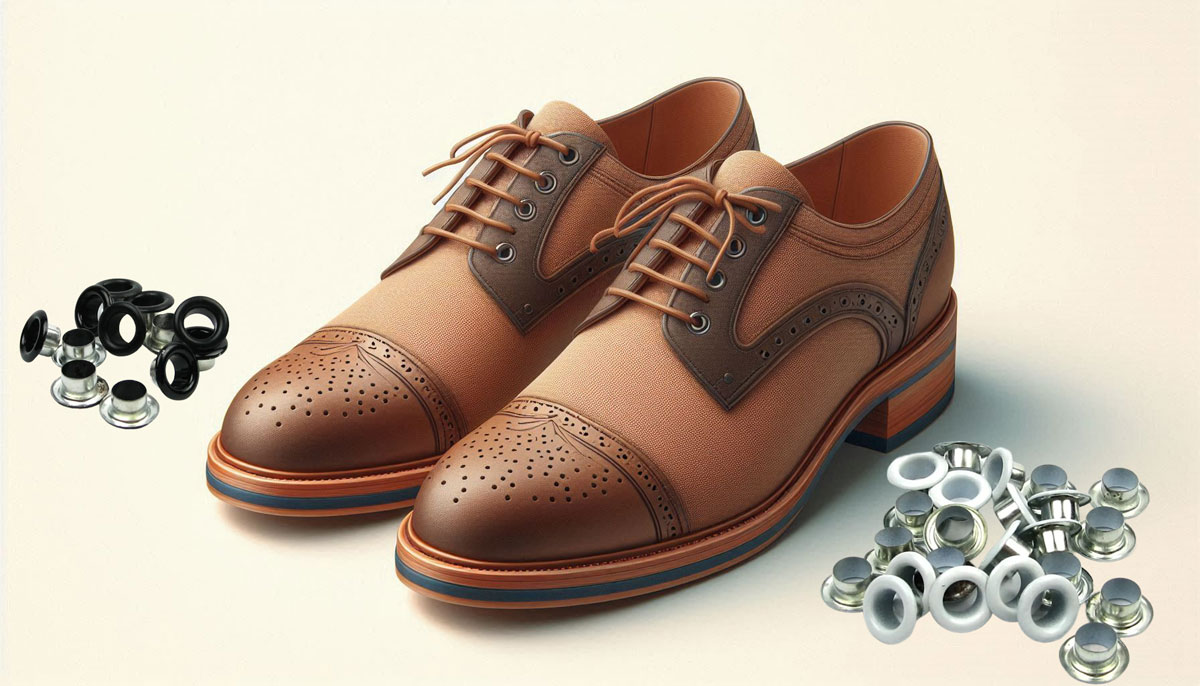
Decorative Shoe Nails: History, Care and Repair

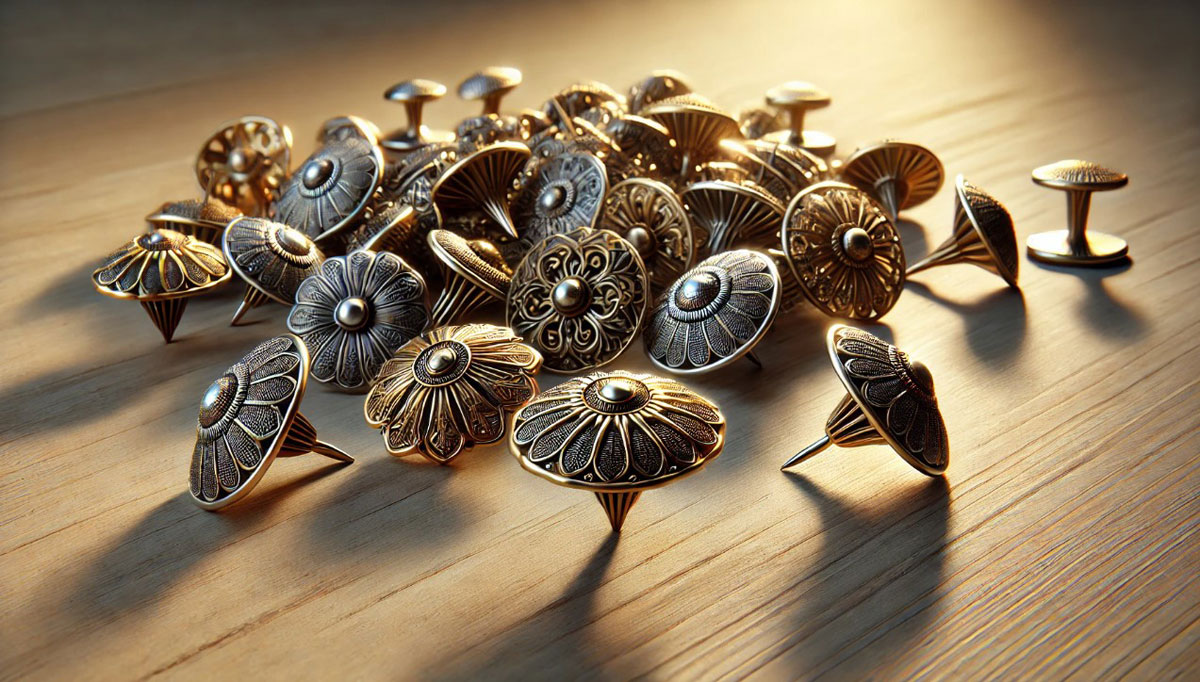
Decorative shoe nails are small fittings that serve not only as decoration, but also as additional fastening for various parts of shoes. Such nails are often used in the production of premium footwear, especially on classic models such as boots or shoes. Decorative nails can perform both a purely aesthetic function and provide additional strength to the shoe structure. In this article, we will take a detailed look at the history of decorative shoe nails, their types, how to care for them, and repair methods.
History of Decorative Shoe Nails
Origins of Use in Shoes
The history of decorative shoe nails goes back to ancient times. Previously, nails were used exclusively for practical purposes – fixing the sole to the upper of the shoe or reinforcing the toe and heel. In ancient times and the Middle Ages, blacksmiths made nails by hand, and they were purely functional elements.
With the advent of new materials and technologies, as well as the development of fashion, nails gradually began to perform decorative functions. During the Renaissance, when shoes became an important part of fashion, metal elements began to be used to decorate shoes. Decorative nails made of copper, brass or silver began to be actively used to decorate men’s and women’s shoes.
The Age of Mass Production
With the onset of the Industrial Revolution in the 19th century, mass production of footwear became possible due to the mechanization of production. Shoe nails, previously made by hand, began to be manufactured on an industrial scale. At the same time, decorative nails continued to play an important role in shoe design, especially on classic boots and shoes.
In the 20th century, shoemakers and designers began to actively experiment with different styles of shoes, and nails began to be used not only for classic shoes, but also as accents in fashionable and creative models. Metal decorative elements became a sign of quality shoes, especially on men’s models of oxfords, derbies and loafers.
Types of decorative shoe nails
Metal nails
Metal decorative nails are the most common and popular. They are made from various metals such as brass, steel, copper or aluminum. These nails can be either shiny or matte, depending on the style of the shoe.
Advantages of metal nails:
- High strength and durability
- Stylish appearance, especially on classic shoes
- A choice of different finishes: polished, matte, varnished
Nails with decorative heads
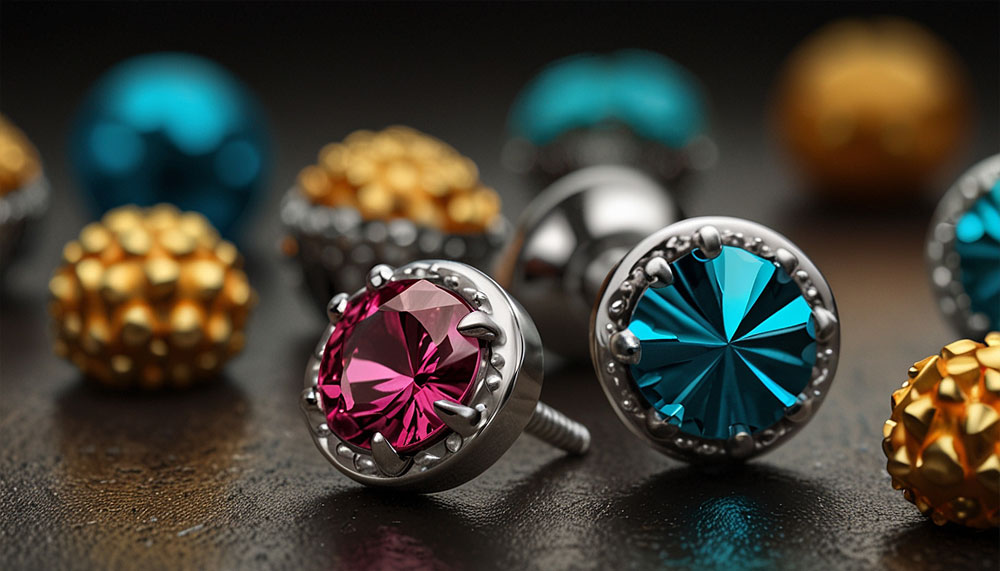
Nails with decorative heads are often used to create accent elements on shoes. Such nails can be inlaid with stones or have complex patterns that emphasize the uniqueness and design of the shoe. This type of nail is most often used in model shoes, as well as on shoes for special occasions.
Features:
- Aesthetic accent
- Decoration for evening or designer shoes
- Possibility of use in exclusive models
Plastic decorative nails
Plastic nails are less common, but they are used in shoes where it is important to reduce the weight of the structure, for example, in sports or children’s shoes. These nails perform more of a decorative than functional role and can imitate the appearance of metal nails.
Advantages of plastic nails:
- Lightness
- Ability to create a variety of shapes and colors
- Suitable for shoes where it is important to minimize weight
How to care for decorative shoe nails
Proper care of decorative shoe nails will help to maintain their shine and aesthetic appearance for a long time.Depending on the materials they are made of, nail care may vary.
Caring for Metal Nails
Metal nails may corrode or become dull, especially if the shoes are often worn in damp or dirty conditions. Here are some care tips:
- Wipe metal nails regularly with a soft cloth to remove dust and dirt.
- Use special metal polishes to maintain shine and prevent oxidation.
- Avoid contact with harsh chemicals on the nails, as this may damage the finish.
Caring for nails with decorative elements
Decorative nails, inlaid with stones or with patterned heads, require more delicate care:
- Wipe such nails with a soft cloth, avoiding water and aggressive cleaning agents.
- Use a soft brush to clean hard-to-reach places.
- Store shoes with decorative nails away from direct sunlight to prevent color fading.
Caring for plastic nails
Plastic decorative nails are easier to care for, but also need regular cleaning:
- Wipe them with a damp cloth, avoiding strong pressure so as not to damage the plastic.
- Avoid exposure to high temperatures, as the plastic may become deformed.
How to Repair Decorative Shoe Nails
If the decorative nails on your shoes are damaged, there are several ways to repair them. Most often, such nails can be replaced if they have lost their appearance or functionality.
Replacing metal nails
Metal decorative nails can be replaced at home if they have become loose or fallen out:
- Carefully remove the old nail from the shoe using pliers.
- Select a new nail of a similar size and style.
- Insert the new nail in place of the old one and secure it with a hammer or special shoe tools.
Replacing Nails with Decorative Heads
Repairing nails with decorative heads may require more precision:
- If the head of the nail is cracked or chipped, it can be carefully replaced with a new one using small tools.
- For more complex elements, such as inlays or complex patterns, it is better to consult a shoe repairman.
Repairing Plastic Nails
Plastic nails are easy to replace:
- Carefully remove the damaged nail, being careful not to damage other elements of the shoe.
- Find a plastic nail of a similar shape and color.
- Insert the new nail in the place of the old one and secure it his.
Conclusion
Decorative shoe nails play an important role in creating a unique shoe design, as well as ensuring its strength and durability. The history of using nails in the shoe industry began in ancient times, and over time, nails have evolved from practical elements into stylish decorative accents.
Types of nails vary from classic metal to decorative ones with patterned heads and inlays. Each of them has its own characteristics and requires proper care to maintain its shine and aesthetic appearance.
Repairing decorative nails is not always difficult, and most models can be easily replaced or restored. However, in the case of complex decorative elements, it is better to contact professionals for high-quality repairs.
Thus, decorative nails are not only an aesthetic element of shoes, but also a way to emphasize their individuality and style. Proper care and timely repair will help extend the life of your favorite pair of shoes and preserve their appearance for a long time.