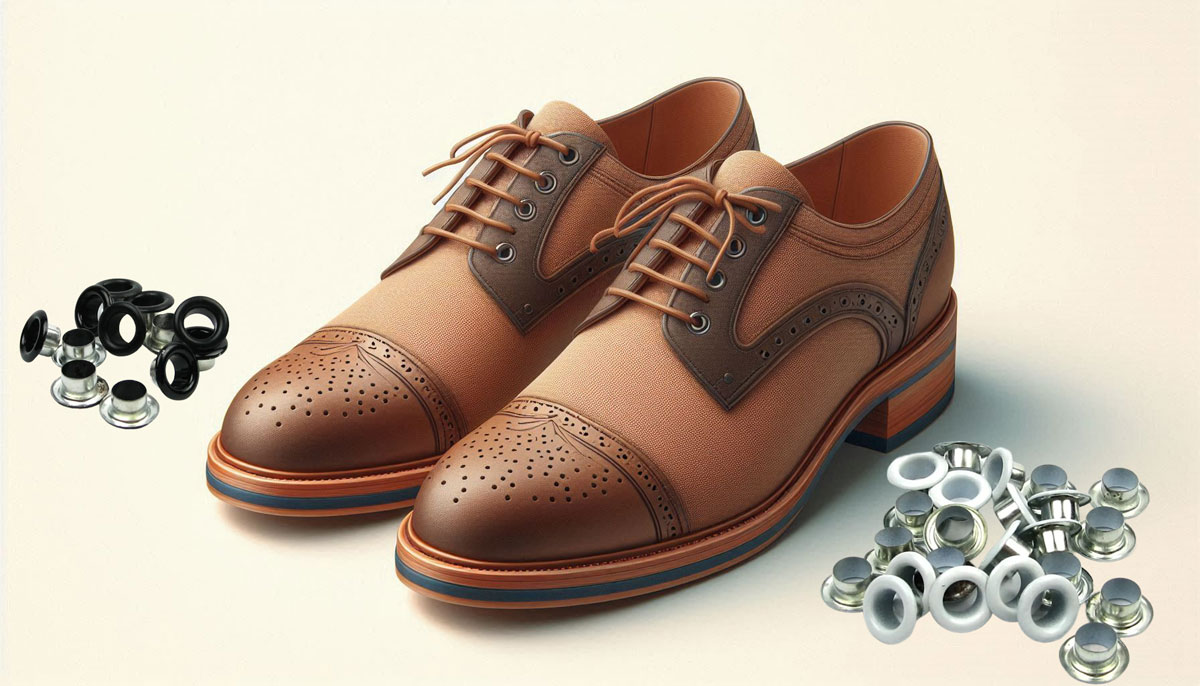
Decorative inserts on shoes: how to create a unique style and keep shoes in excellent condition

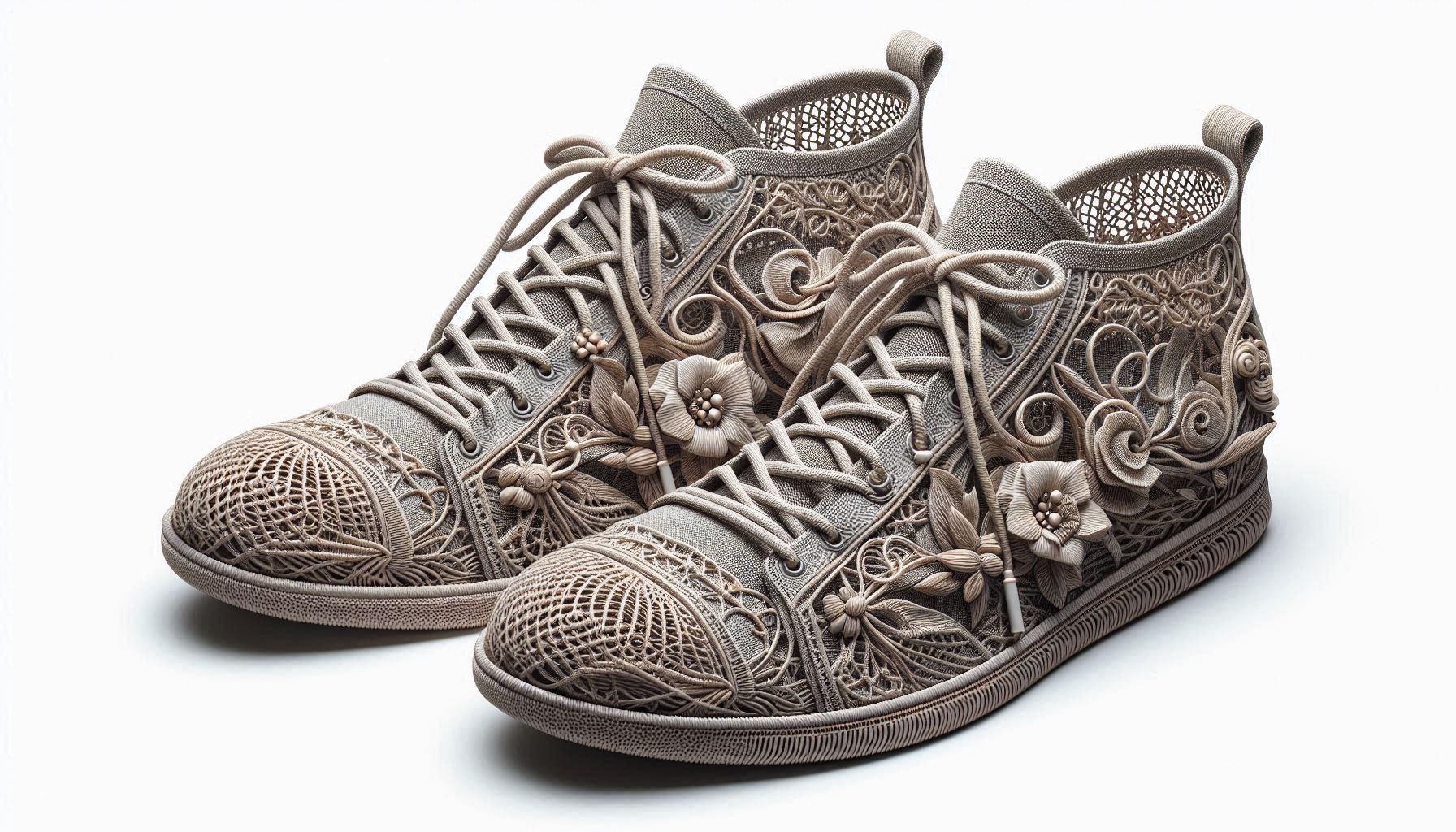
Decorative inserts on shoes are not just a fashion trend, but also an important element that helps to add individuality to any look. With the help of elements such as rhinestones, embroidery, metal details or textile inserts, shoes become a real work of art. However, it is important not only to know how to choose shoes with decorative inserts, but also how to properly care for them so that they serve for a long time and look attractive.
What are decorative inserts on shoes?
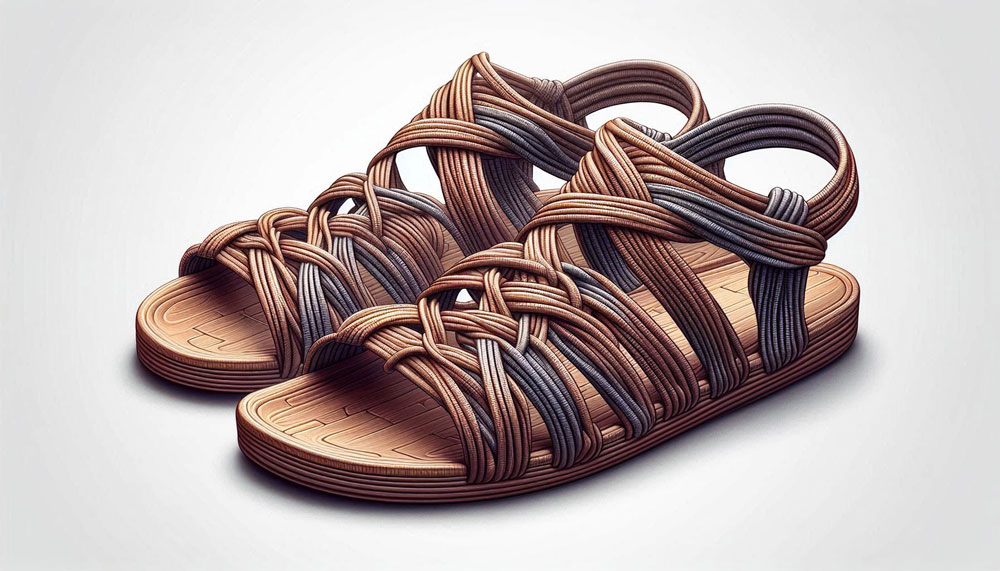
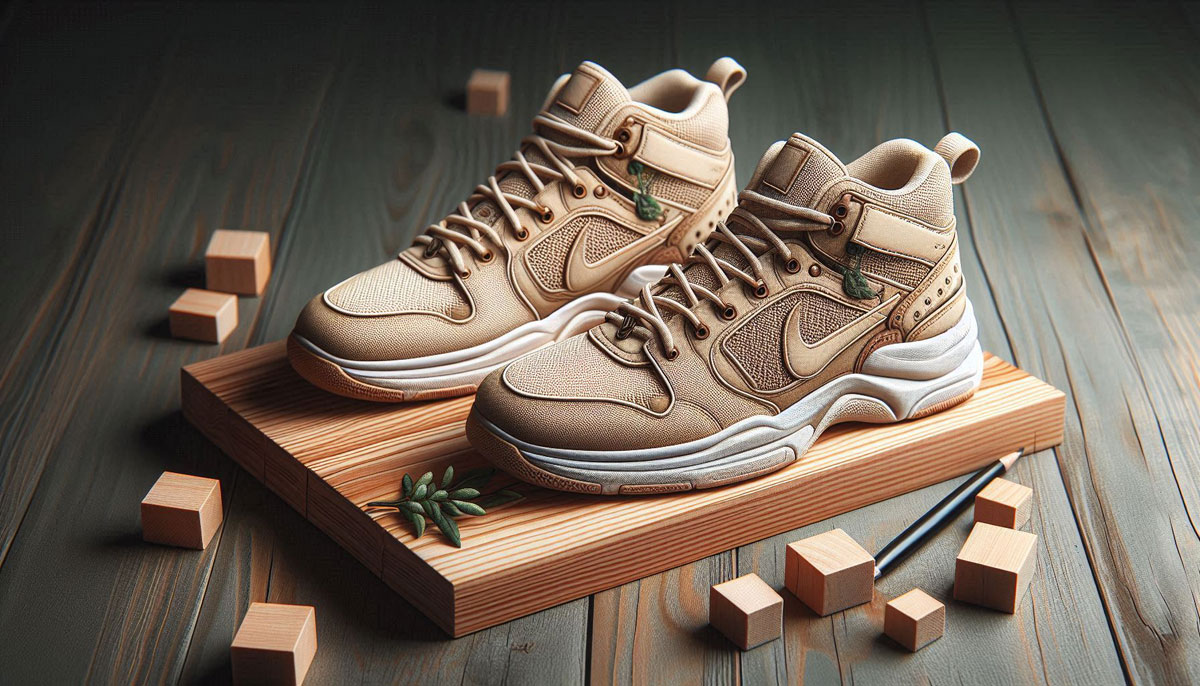
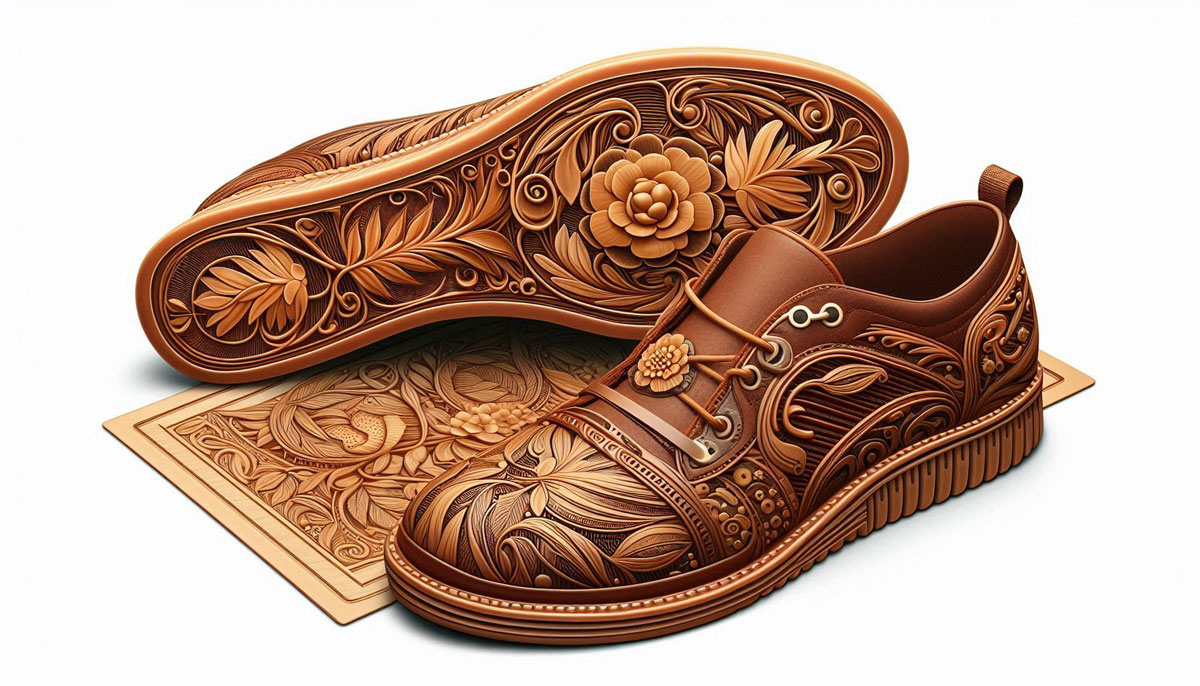
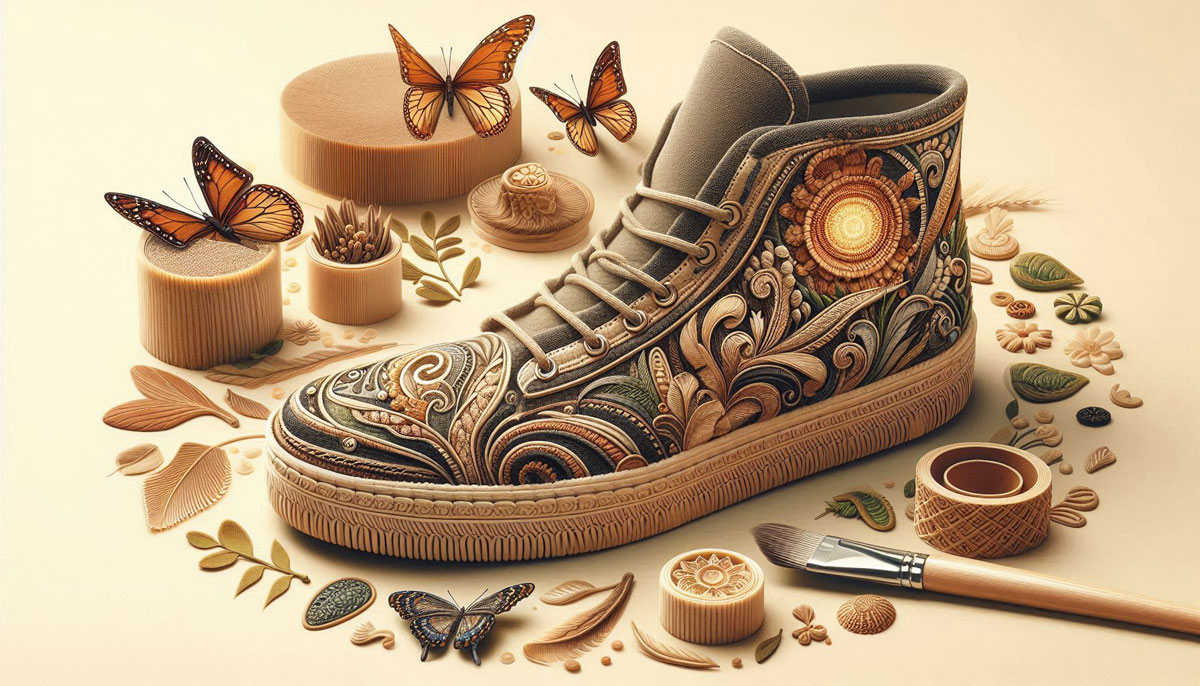
Decorative inserts are various design elements that are added to shoes to decorate them. They can be made of various materials: textiles, metal, leather, plastic, wood and even glass. These elements are often used to create a unique shoe design and draw attention to certain details.
Types of Decorative Inserts
- Rhinestones and Stones: These elements add sparkle and make shoes more elegant. They are especially popular for evening styles, such as pumps and sandals.
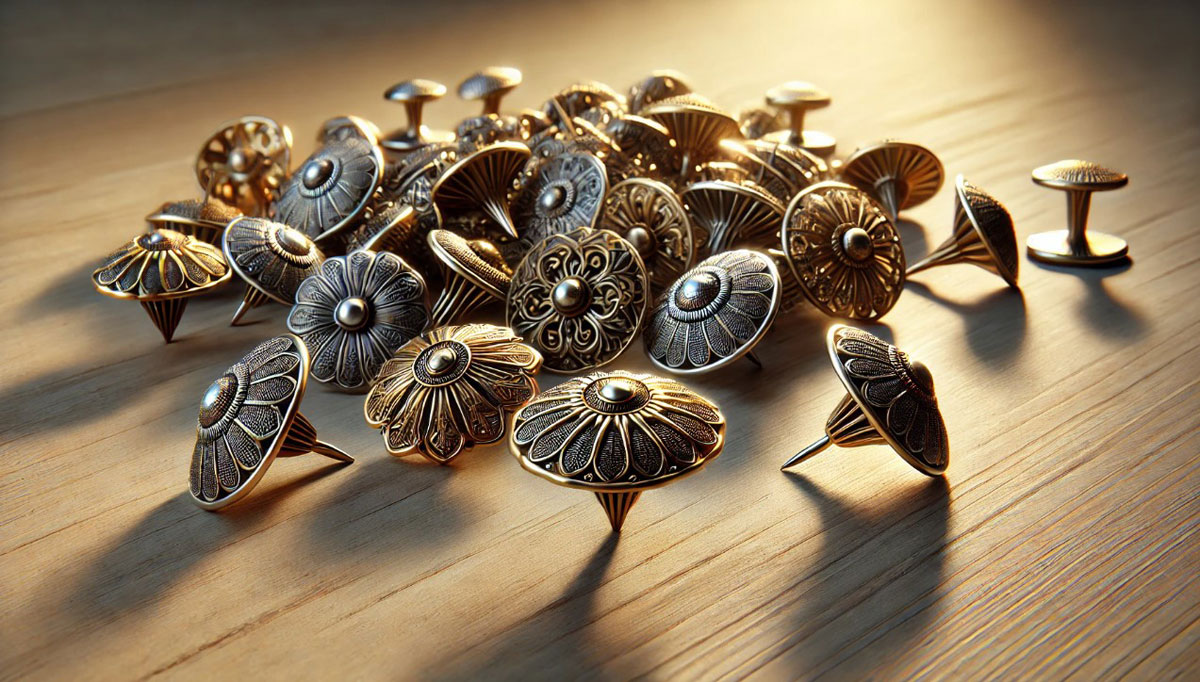
- Metallic Elements: Studs, rivets, chains and buckles give shoes a bold and modern look. Such details are often found on boots and sneakers.
- Textile Inserts: Satin, velvet, lace and other materials give shoes a soft and romantic feel. These elements are often used in women’s shoes to create a sophisticated look.
- Embroidery and appliques: Hand or machine embroidery, as well as appliques, create unique patterns on shoes. These details are popular in ethnic and boho styles.
- Plastic and rubber inserts: Often used in sports shoes to improve functionality and design. For example, such inserts can strengthen certain areas of the shoe or serve as a decorative element.
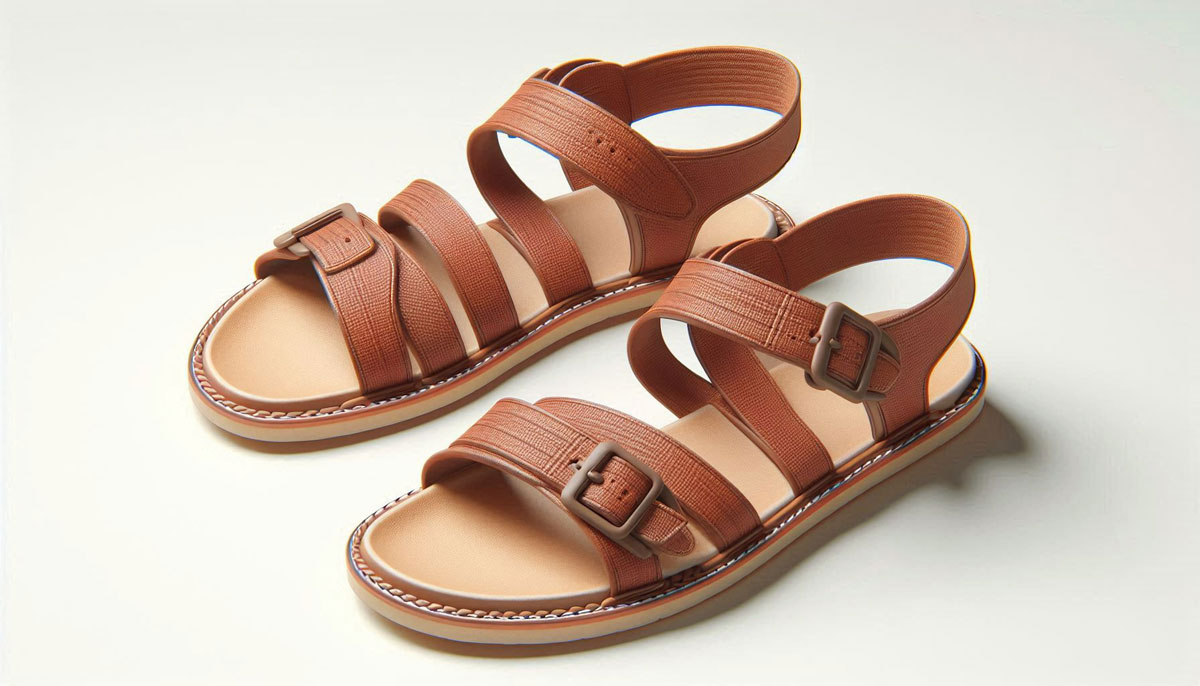
- Buckles and belts: Can perform both a decorative and functional role. Often such inserts can be seen on boots and shoes.
The history of using decorative inserts on shoes
Ancient roots
The history of using decorative inserts on shoes goes back to ancient times. In ancient Egypt and Greece, shoes were decorated with gold and silver elements to emphasize the status of the owner. The shoes of Roman patricians were often decorated with precious stones, which emphasized their position in society.
Middle Ages and Renaissance
In the Middle Ages, decorative elements became an important part of aristocratic shoes. Buckles made of precious metals, silk inserts and embroidery became symbols of luxury and status. This was especially noticeable during the Renaissance, when shoes became not only a functional, but also an aesthetic component of the wardrobe.
20th century and modern trends
In the 20th century, with the advent of mass shoe production, designers began to actively use decorative inserts to create unique and original models.Fashion houses such as Christian Louboutin, Gucci and Manolo Blahnik have led the way in using unconventional embellishments such as crystals, embroidery and metallics. Today, embellishments are an integral part of contemporary shoe fashion and are used in both casual and evening shoes.

Caring for shoes with decorative inserts
Proper caring for shoes with decorative elements is the key to their long service life and maintaining an attractive appearance. Decorative inserts can be fragile, and improper care can lead to their damage.
Basic care recommendations
- Cleaning shoes with rhinestones and stones:
- Never wash shoes with such elements in the washing machine.
- Use a soft dry cloth to wipe stones and rhinestones.
- For more durable cleaning, use a slightly damp sponge and gently remove dirt, trying not to rub the stones.
- Caring for shoes with metal elements:
- Metal parts can be polished periodically so that they do not lose their shine.
- Avoid contact with moisture so that the metal does not tarnish and begin to rust.
- Caring for textiles inserts:
- For textile elements such as lace or satin, it is better to dry clean.
- Avoid contact with dirt and moisture, as textile inserts may lose shape or color.
- Cleaning shoes with embroidery and appliqués:
- Embroidery requires careful handling. Use a soft brush or cloth to remove dust and dirt.
- Avoid getting shoes with embroidery wet, as this may ruin the pattern and cause deformation of the material.
- Processing leather and suede with decorative inserts:
- If shoes are made of leather or suede with decorative elements, use special care products for these materials.
- For suede, use a dry cleaning brush and a water-repellent spray.
General storage rules
- Store shoes with decorative inserts in a dry place, away from direct sunlight.
- Use special bags or boxes for storage to prevent dust and mechanical damage.
- For shoes with fragile inserts (for example, stones or embroidery), it is better to use special shoe inserts to prevent deformation during storage.
Repair of shoes with decorative inserts
Even with careful handling, decorative inserts can wear out or break over time. Some types of repairs can be done independently, but in some cases it is better to contact professionals.
DIY Repair
- Restoring Rhinestones and Stones:If one or more rhinestones fall out, they can be easily glued back on using special shoe glue. It is important to carefully place the stones in their place so that they match the overall design.
- Replacing Metal Elements:Buckles, rivets, and chains can be replaced at home by purchasing similar elements in specialized stores. However, this may require special tools.
- Embroidery Repair:If the embroidery on your shoes is damaged, you can carefully sew up the defects with a thin needle and threads of the appropriate color. This process requires patience and attention.
Professional Repair
For complex cases, such as replacing large elements or restoring the original design, it is recommended to contact a shoe repair shop. Specialists will be able to carry out more complex restoration work to return the shoes to their original appearance.
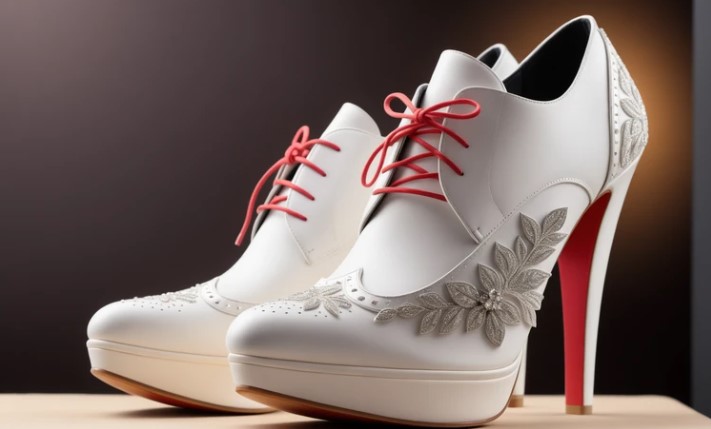
How to choose shoes with decorative inserts: tips and recommendations
When choosing shoes with decorative inserts, it is important to consider several key points that will help you make the right choice.
- Quality of decorative elements: Make sure that the inserts are well secured and made of high-quality materials. Rhinestones, metal elements or textile inserts should be firmly fixed and have no defects.
- Functionality: Shoes with decorative inserts should not lose their functional qualities. It is important that the elements do not interfere with walking, do not rub or create discomfort.
- Style and compatibility with wardrobe: Decorative elements can be bright accents in your image, so it is important that the shoes match the rest of your clothes. Choose models that easily integrate into your style.
- Purchase purpose: If you choose shoes for everyday wear, it is better to give preference to models with more minimalistic and reliable decorative inserts.For evening out
Conclusion
Decorative inserts on shoes are a stylish and functional element that gives shoes uniqueness and individuality. Details such as rhinestones, embroidery, metal elements and textile inserts allow you to create a variety of looks and make shoes a bright accent of your wardrobe. However, it is important to remember about proper care and timely repairs so that your shoes with decorative inserts remain in excellent condition for a long time.