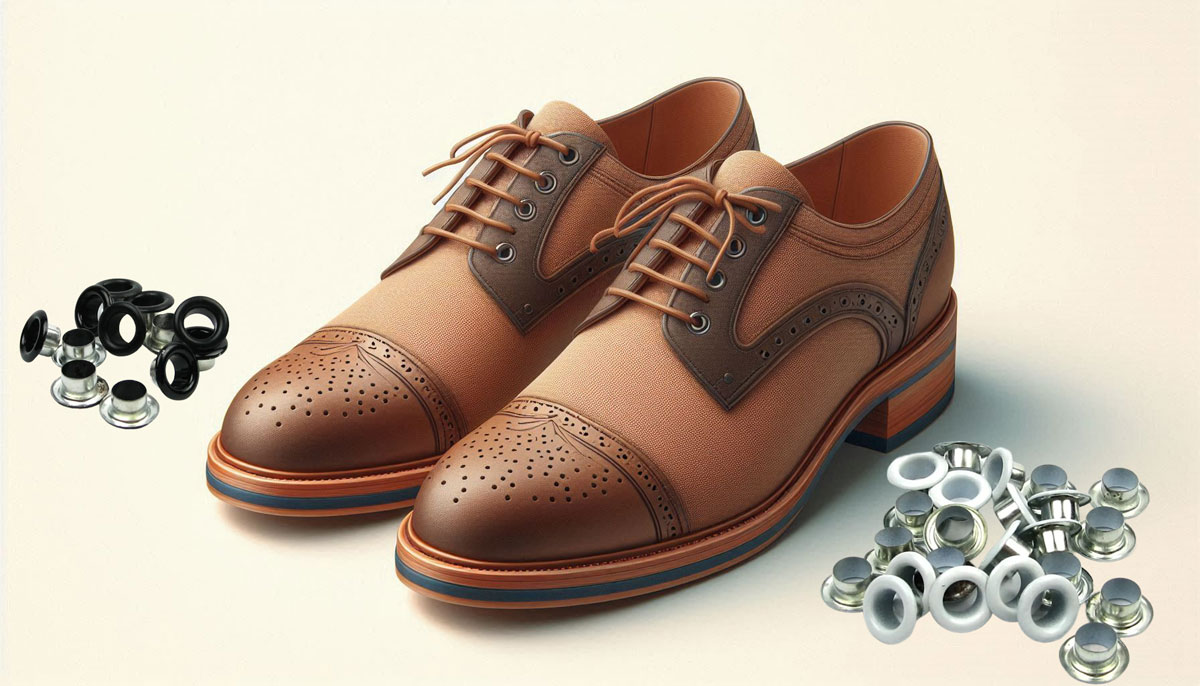
All about shoe laces: types, materials and lacing methods


Shoe laces are an important detail of any wardrobe, which performs not only a practical function, but is also an aesthetic element. It is difficult to imagine everyday shoes without laces, be it sneakers, boots or classic shoes. Despite their apparent simplicity, laces can differ in materials, types, lacing methods and even in their features depending on the purpose of use. In this article, we will consider in detail what shoe laces are, their types, history, as well as the features of lacing and the right choice.
What are shoe laces?
Shoe laces are narrow long ribbons or ropes that are threaded through special holes in shoes, called eyelets, in order to fix the shoe on the foot. They can be made of various materials, such as natural fibers (cotton, leather) or synthetic materials (nylon, polyester). Depending on the type of shoe and the owner’s preferences, you can choose different types of laces: flat, round, elastic, decorative and others.
Lace tips: rivets, lacing and aiguillettes
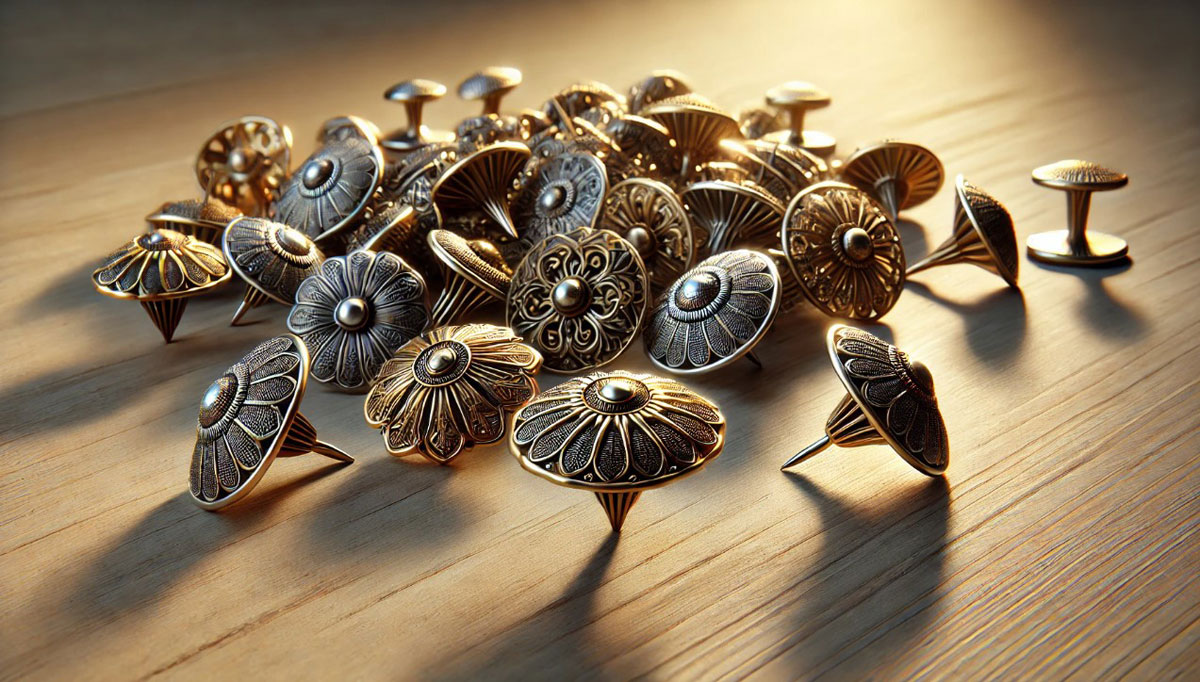
To make it easier to thread the laces into the holes of the shoe, their ends are usually crimped with special tips. These tips help prevent the laces from unraveling and greatly simplify the lacing process.
 The tips of shoelaces can be made of different materials, such as plastic or metal, which affects their durability and aesthetics. Metal tips are more durable and are often used in higher-quality shoes, while plastic tips are used in casual shoes.
The tips can also be called by different terms, depending on the region or style of shoe. Among the most common names are pistons, laces or aglet.
The main functions of shoelaces
The main function of shoelaces is to securely fix the shoe on the foot to prevent it from slipping or rubbing. In addition, laces also play a decorative role, they can become a bright accent in the image, emphasizing the style of the shoe and matching the color scheme of the outfit.
The history of shoe laces
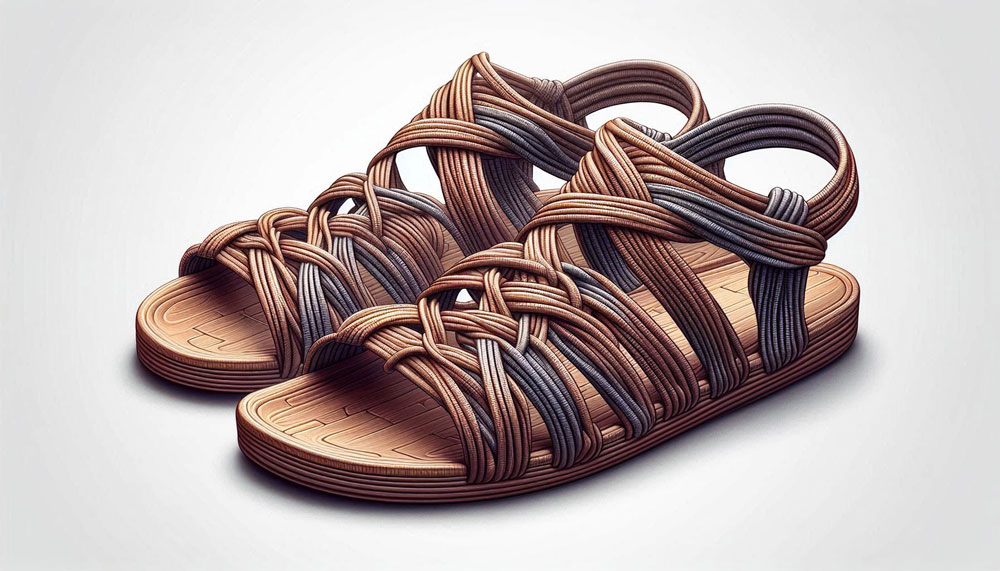
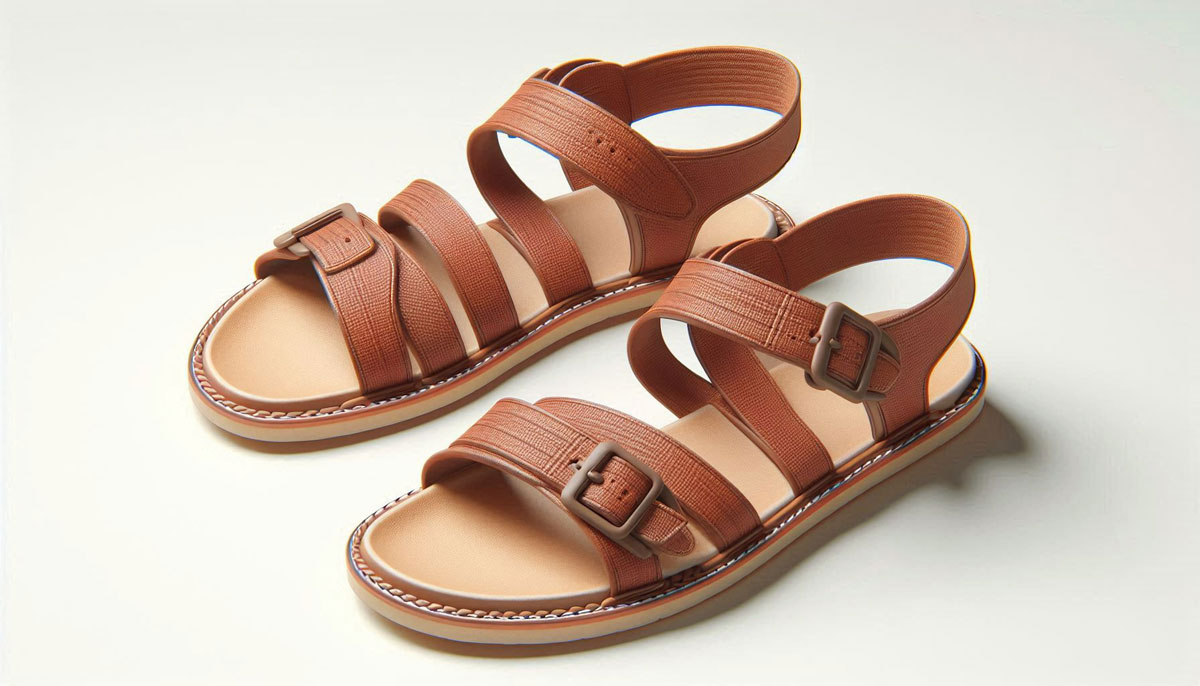
Lace for shoes in their modern form appeared relatively recently, in the 18th century. Before that, shoes were secured with buckles or straps. The invention of laces was a significant step forward, allowing for more flexible adjustment of the fit of shoes on the foot. However, even before the advent of modern laces, people used ropes to secure shoes, but they were much less convenient and effective.
How shoelaces have evolved over time
Over the centuries, shoe laces have undergone many changes. In different eras, they were made from bast, jute, leather and other materials. Today, synthetic laces are the most popular, as they are more durable and wear-resistant.However, natural materials continue to be popular among lovers of eco-friendly products and those who value traditional shoe making methods.
Types of Shoe Laces
There are many types of shoe laces that vary in material, shape, length, and purpose. Let’s look at the main categories of laces that can be found on the market.
By shape: flat and round laces
- Flat laces. These laces are widely used in sneakers and sports shoes. Due to their shape, they hold a knot better and are less likely to come untied. Flat laces can also be wider, which makes them more visible on shoes.
- Round laces. These laces are more often used for classic and formal shoes. They look more discreet and elegant. However, round laces may come undone more often, especially if they are made of synthetic materials.
By material: natural and synthetic laces
- Natural laces. Made from leather, cotton, linen or jute. They are pleasant to the touch and hold a knot better, but can wear out faster and require more careful maintenance.
- Synthetic laces. Made from materials such as nylon, polyester or acrylic. These laces are much stronger and more durable, but due to their slippery surface, they may not hold a knot as well, which leads to frequent untying.
Materials for making laces
The materials from which laces are made play an important role in their durability and ease of use. The choice of material may depend on the type of footwear and the conditions of its use.
Natural Materials
Natural lace materials like cotton or leather provide excellent support due to their texture, but are less durable in wet or heavy-duty conditions. Cotton laces are easy to wash, but can wear out quickly, especially if the shoe is used frequently.
Synthetic Materials
Synthetic materials like nylon and polyester are much stronger and last longer. They are resistant to moisture and wear, making them an ideal choice for athletic shoes or shoes that are subject to heavy use. However, they can be slippery, making it difficult to secure the knots.
Lacing: methods and types
Proper lacing not only ensures comfort when wearing shoes, but also extends the life of the laces. There are many lacing methods that can be used for both convenience and decorative effect.
Classic lacing method
The most common and simple method is the “herringbone” lacing. This method involves threading the laces through the holes alternately on each side, which ensures secure fixation. This method is used in casual shoes and sneakers.
Decorative lacing methods
In addition to the classic version, there are many decorative lacing methods. Some of them are used to create a unique style, others – to increase comfort. Popular methods include “ladder” lacing, “web”, “zipper” and others.
How to choose the right shoe laces?
The choice of laces depends on the type of shoes, the purpose of use and the preferences of the owner. It is important to consider several factors: the length of the laces, the material, the shape and their resistance to wear.
How to choose the length of the laces?
The length of the laces depends on the number of holes in the shoe. For example, for sneakers with 6-8 pairs of eyelets, laces of about 120 cm in length are usually suitable. For shoes with a large number of eyelets, such as high boots, longer laces are needed – from 150 cm and more.
Conclusion
Shoe laces are an integral part of modern footwear, which ensures comfort and convenience when wearing them. Today, laces are made from a variety of materials and can be used for different purposes – from sports sneakers to elegant shoes.
Properly selected laces will not only extend the life of your shoes, but also give them an individual style. Given the variety of types of laces, everyone can find the right option for their needs.